Rythm and ritual
The Baltic Sea Festival 2026 opens with an evening pulsing with premieres and rhythm!
Andres Orozco-Estrada takes the podium at Berwaldhallen for the very first time as Chief Conductor of the Swedish Radio Symphony Orchestra – a long-awaited debut that sets the tone for the festival. Anders Hillborg’s powerful Mahler tribute Hell Mountain receives its Swedish premiere, and Molly Kien’s brand-new work – composed exclusively for the Swedish Radio Symphony Orchestra and the Swedish Radio Choir – will have its world premiere.
As a sparkling highlight, we hear soprano Malin Byström interpret songs by Alma Mahler, before the evening culminates in Igor Stravinsky’s iconic music for the ritual ballet The Rite of Spring – a work where rhythm becomes primal force and dance transforms into a timeless ceremony.
At 6:55 p.m., the festival will open with an address (in Swedish) by Jan Eliasson, former President of the United Nations General Assembly.
This production is part of one or more concert series.

The concert is broadcast live on P2.
Hillborg’s Hell Mountain
The name Höllengebirge – “Hell Mountain” – did not deter Gustav Mahler from spending his summers there in the late 1890s, near the karst mountain range with its cliffs rising like dark shadows above the land. It was here that he composed several symphonies and a number of songs.
The mountain range has also lent its name to Anders Hillborg’s tribute to the composer, Hell Mountain. Mahler has always been an important figure for Hillborg, not least for what he describes as Mahler’s “ability to evoke a sense of vast space through acoustic resonance.” In this new work, two of Mahler’s symphonies have served as central sources of inspiration: “the shattering dissonance of his Tenth Symphony and the falling fourths that open his First Symphony.” Hell Mountain received its world premiere in 2024 and was co-commissioned by the Royal Concertgebouw Orchestra, the Paris Philharmonie, the Oslo Philharmonic, and the Chicago Symphony Orchestra. The piece is dedicated to Klaus Mäkelä and receives its Swedish premiere at this concert.
Five Existential Songs
Like Gustav Mahler, Alma Mahler – his wife – also composed many admired songs. A selection of them will be performed this night by the Royal Court singer Malin Byström, who regularly appears on leading opera and concert stages across Europe and the United States.
In addition to being a composer, Alma Mahler was active as a writer and artist, and her sensitivity – especially to text – permeates her compositions. At this concert you will hear five of her songs from a cycle composed in 1924. Running like a thread through the songs are existentially probing texts by the poets Novalis, Otto Julius Bierbaum, Franz Werfel, and Richard Dehmel. The songs vary in mood and tempo, drawing the listener into a sonorous, dreamlike, and at times unsettling sound world.
Kien’s A Demon in Disguise
Song is also central to A Demon in Disguise, an orchestral and choral commission by the American-Swedish composer Molly Kien. The music is inspired by the Appalachian folk song “House Carpenter.” Those familiar with the song, perhaps best known through Bob Dylan’s recording, may recognise certain melodic turns in the orchestra. Appalachian music is characterised by a blend of European and African folk traditions, with the banjo as a unifying link. Yet, as Molly Kien, who has roots in West Virginia, points out, few people are aware of the instrument’s history:
“The West African banjo, the akonting, came to the United States through people who were forced there as slaves. In that sense, there is a darker side to this music.”
In A Demon in Disguise, history and the present merge in a way that, she says, reflects her own mixed feelings about the United States today:
“A deep joy in its music, and a concern for the country’s future.”
A Revolutionary Masterpiece?
The concert concludes with one of the most discussed works in music history: Igor Stravinsky’s The Rite of Spring, which earned him a reputation as a musical revolutionary.
The Rite of Spring was the third ballet Stravinsky composed for Sergei Diaghilev and the Ballets Russes, following the successes of The Firebird and Petrushka. At its core is a ritual sacrifice of a young woman, which in ancient Russian tradition symbolised the return of spring and the awakening of nature. In the music, Stravinsky combined Russian musical idioms with modern rhythmic impulses.
But how revolutionary was the music, really? Although anecdotes surrounding the Paris premiere in 1913 abound in dramatic detail – audiences leaving the hall or even staying only to vomit – Stravinsky himself later suggested that the reputation was misplaced. In the late 1940s, he wrote in his book Poetics of Music:
“A work like The Rite of Spring may appear arrogant in tone and harsh in its new language, but that does not necessarily make it revolutionary in the subversive sense of the word. If merely breaking a habit were enough to deserve the label ‘revolutionary,’ then every musician who has something to say and expresses it unconventionally would be called a revolutionary.”
This quotation touches on a complex question concerning the relationship between music and the world. Can music say something about the world, and if so, what does it say? Take a seat in Berwaldhallen, sharpen your ears – and listen.
Ticket purchase
Rythm and ritual
21 August
- Buy tickets
21 August 2026 ● friday 19:00
Seats left
Read more about this year's festival
The Baltic Sea Festival returns to Stockholm from 21–29 August 2026, filling the city with music that spans the intimate to the monumental. You can look forward to a rich mix of orchestral concerts, chamber music, choral works, jazz explorations, contemporary premieres, and boundary-crossing collaborations.
Baltic Sea Festival 2026
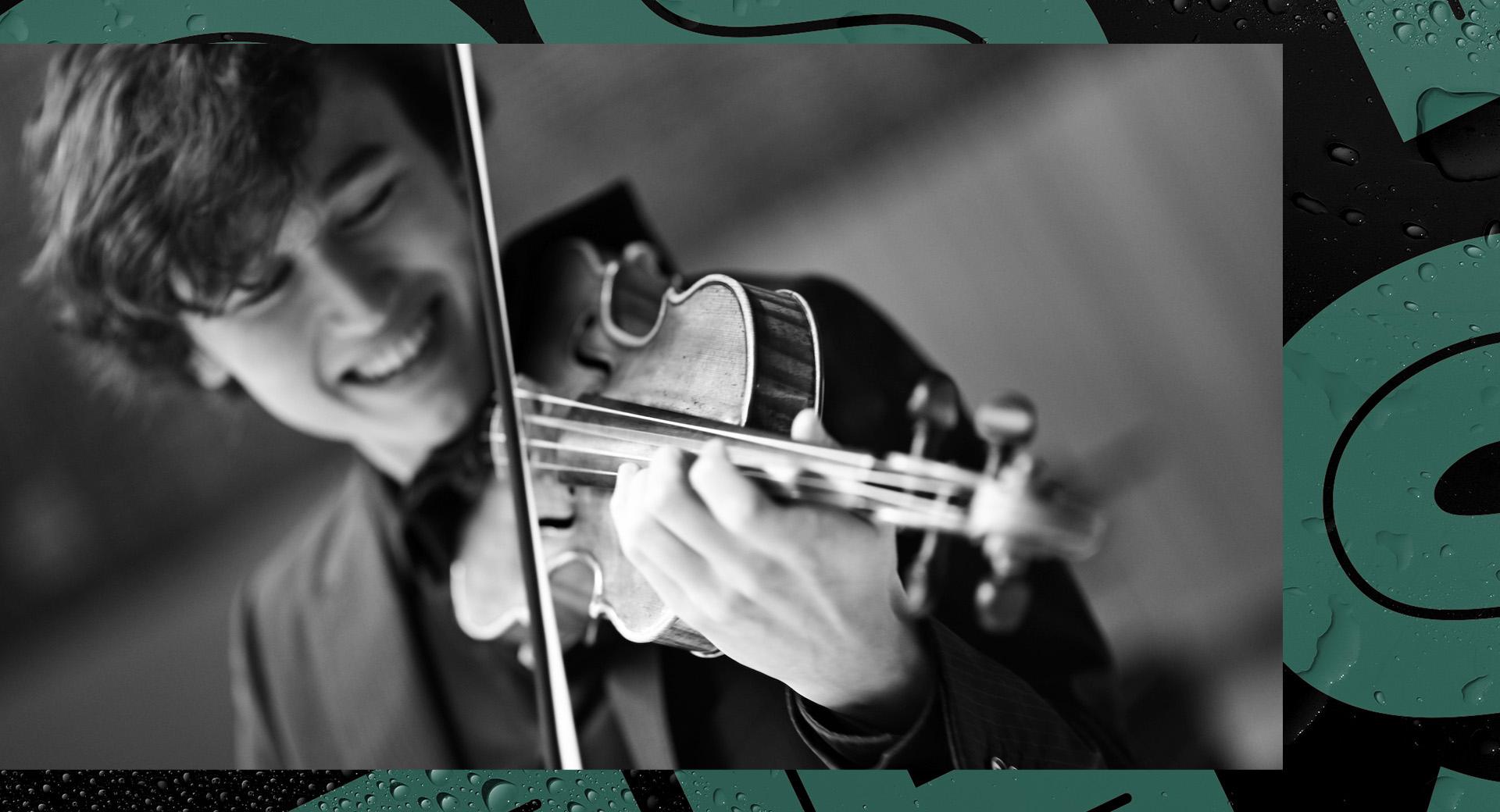 Few seats remaining22 August80 - 275 krBack to Bach with LozakovichInternationally acclaimed violinist Daniel Lozakovich offers an exklusive concert in Storkyrkan featuring music by his great artistic beacon, Johann Sebastian Bach.Read more & tickets
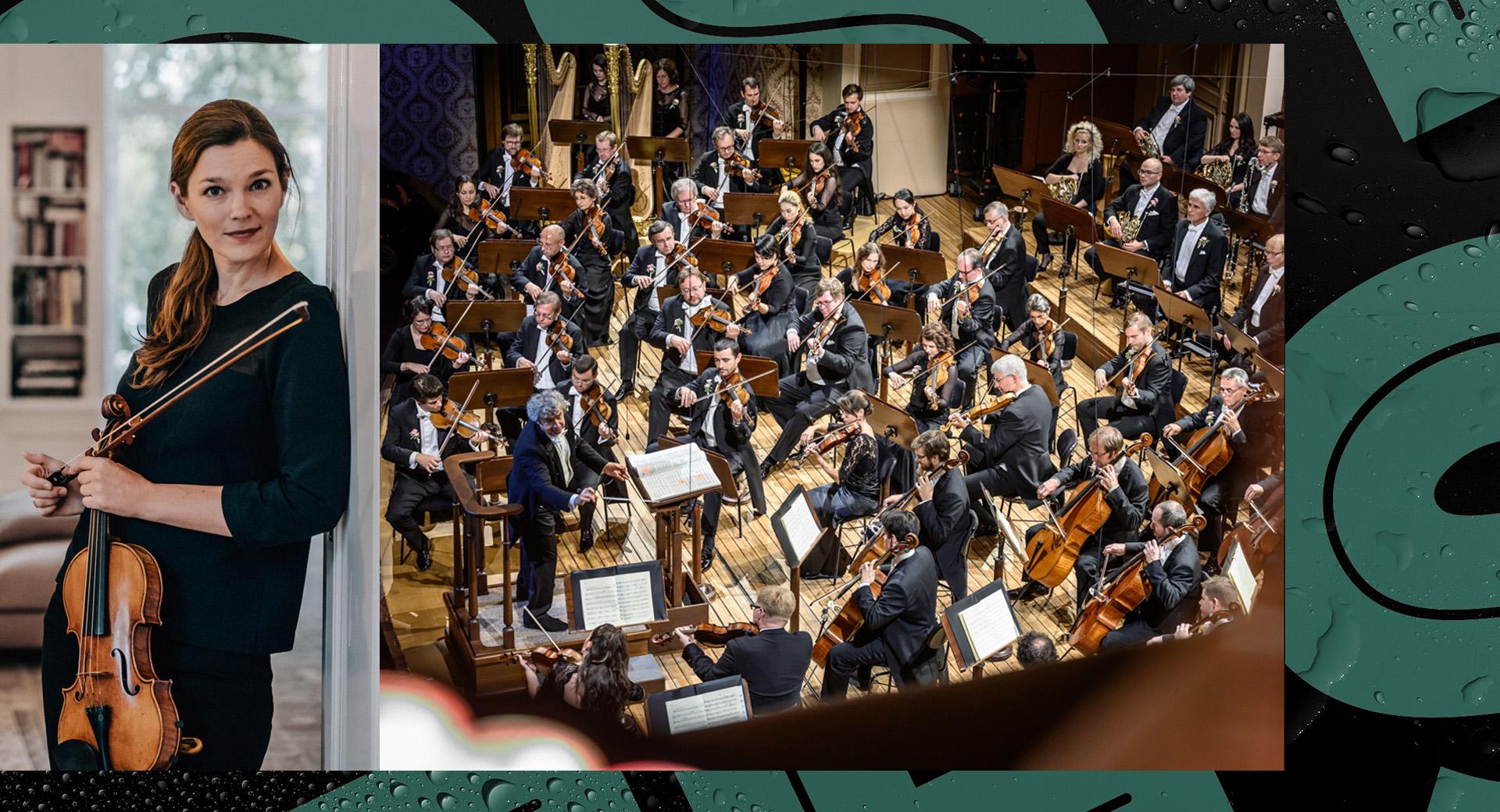 August 25350 - 650 krPassion and protestThe Czech Philharmonic visits the Baltic Sea Festival! Under its legendary Chief Conductor and Music Director Semyon Bychkov, Janine Jansen performs Shostakovich’s first violin concerto, followed by Dvořák’s dramatic seventh symphony.Read more & tickets
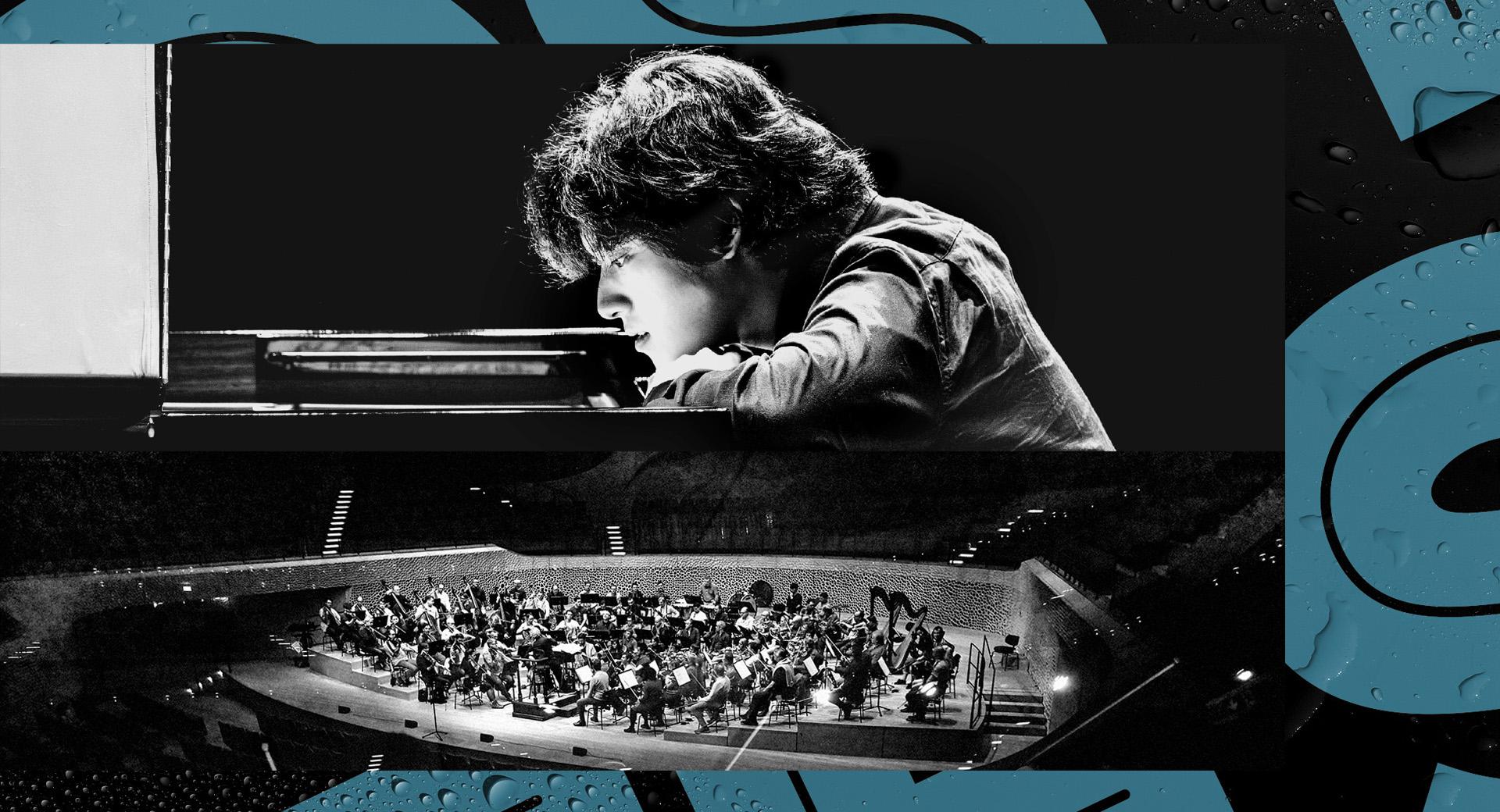 26 August350 - 650 krDreams of freedomThe Czech Philharmonic returns under Chief Conductor and Music Director Semyon Bychkov, joined by internationally acclaimed pianist Yunchan Lim in his Swedish debut. Ravel’s Piano Concerto dazzles with jazzy, dreamlike colours, followed by Smetana’s Má Vlast, a majestic journey through Bohemia’s landscapes and spirit.Read more & tickets
 Few seats remaining27 August350 - 650 krBeyond baroqueDay four of the Baltic Sea Festival 2026 takes us beyond the boundaries of time. Countertenor Jakub Józef Orliński returns together with the baroque orchestra Il Pomo d’Oro for a program exploring the music of the early Baroque.Read more & tickets
 Few seats remaining28 August350 - 650 krBeethoven's DNAWhat lies at the core of Beethoven’s music – and where do its building blocks come from? Martin Fröst leads the Swedish Chamber Orchestra in a program where Jacob Mühlrad’s Helix meets Hans Ek’s DNA Suite, inspired by Bach, Rameau, and Handel. The evening culminates in Beethoven’s Symphony No. 7 – a work carrying this entire musical heritage in its DNA.Read more & tickets
 No tickets leftAugust 28275 krLate Night Concert with the Swedish Radio ChoirAs the summer evening drifts into night, the Swedish Radio Choir takes over Nordiska museet with an atmosphere‑laden programme moving between ancient spirituality and contemporary sonic brilliance. ogether with violist Ami‑Louise Johnsson, we encounter everything from Bach’s introspective Baroque lines and Ligeti’s hypnotic solo viola to the deeply meditative choral music of Tavener and McDowall.Read more
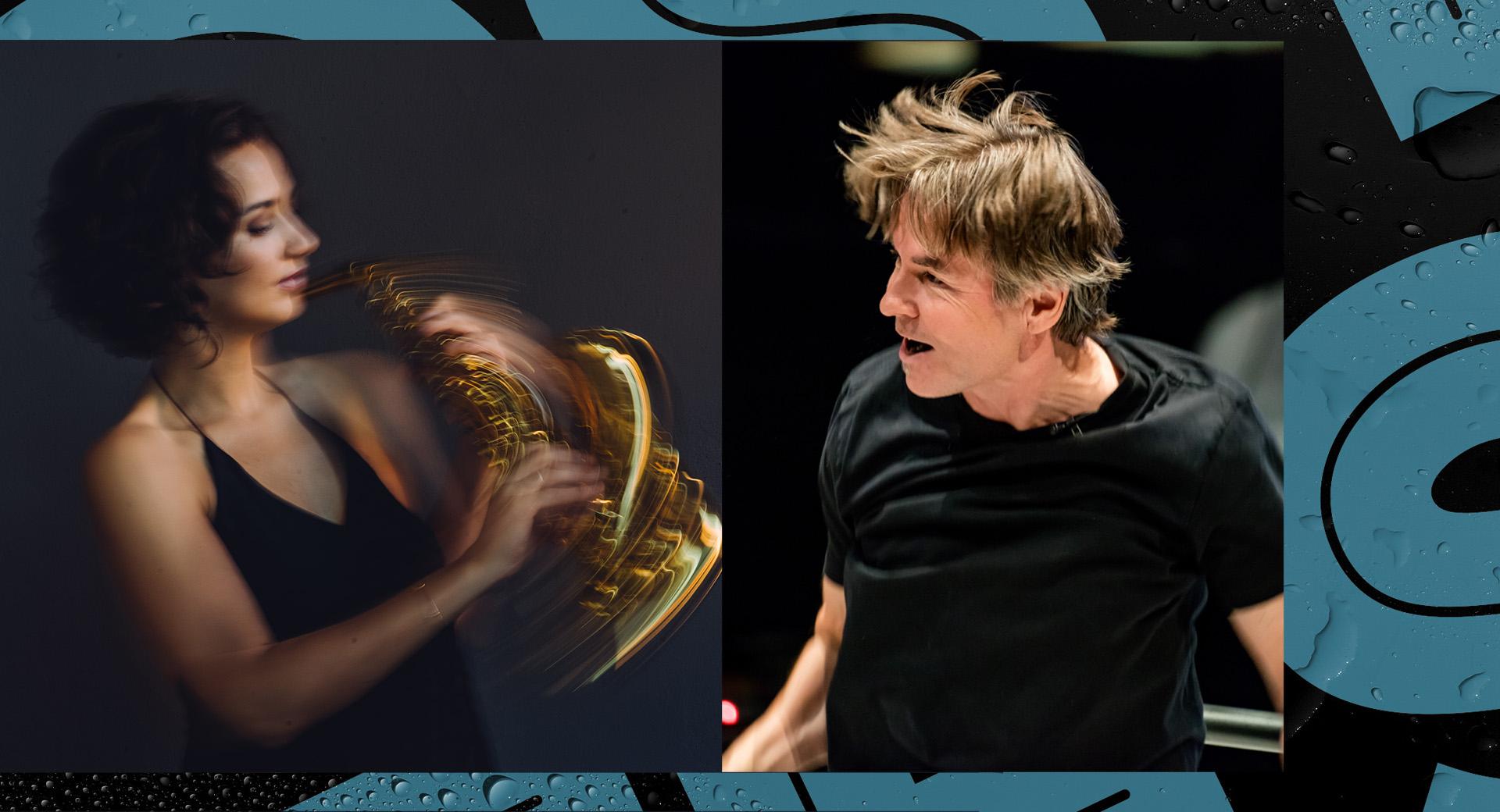 Few seats remaining29 August350 - 650 krFate & guiltThe Baltic Sea Festival’s grand finale invites you to an evening of drama and rich sonorities. Esa-Pekka Salonen conducts the Swedish Radio Symphony Orchestra together with soprano Aphrodite Patoulidou, baritone Peter Mattei, and saxophonist Asya Fateyeva. A closing night where contemporary sound meets Nordic legend in a powerful musical encounter.Read more & tickets
 23 AugustSchweitzer, Lyssarides & CoTrombonist and big band leader Tilde Schweitzer and multi-award-winning pianist Joel Lyssarides take the stage at Fasching together with 16 string musicians in a concert that grew out of their shared love of the orchestral jazz tradition.Read more
 29 AugustFree - only signup is neededARTS LAB at the Finnish InstituteDo you want to hear what the concert halls of the future might sound like? During the Baltic Sea Festival, you can meet the participants of ARTS LAB – a project that brings together promising instrumentalists and composers from across the Baltic Sea region in a creative collaboration. ARTS LAB unites participants handpicked from the Voksenåsen Talent Program and Creative Dialogue, coached by internationally renowned mentors.Read more & tickets
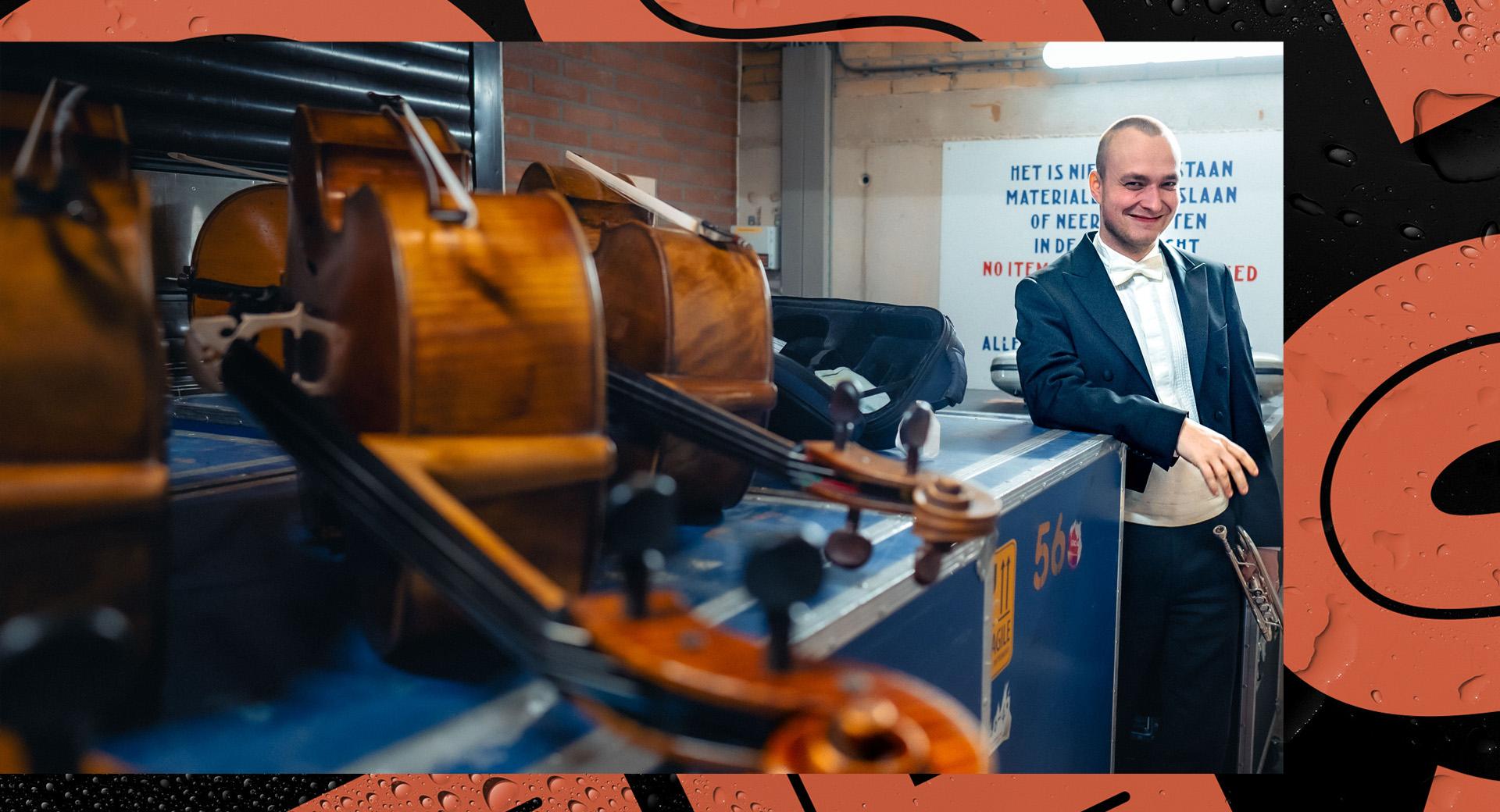 No tickets left27 August275 krBerwald’s septet and Dvořák’s Serenade for StringsMusicians from the Czech Philharmonic and the Swedish Radio Symphony Orchestra meet in the Queen Silvia Concert Hall to perform chamber music by Franz Berwald and Antonín Dvořák.Read more
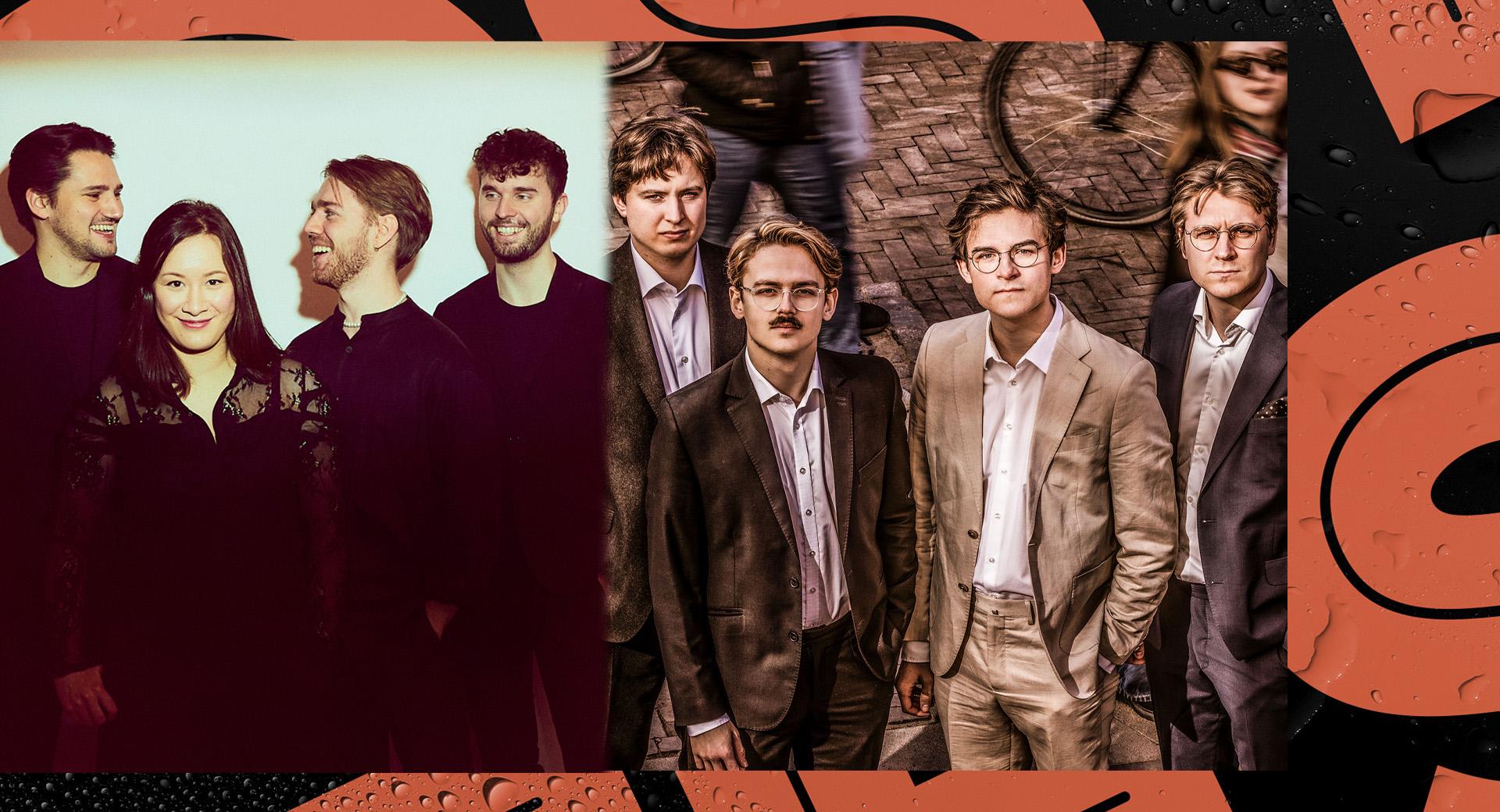 29 August275 krOpus13 & Monbijou QuartetTwo of the most acclaimed string quartets of our time—Monbijou Quartet and Opus13—join forces in a programme that moves between contemporary sonic...Read more & tickets
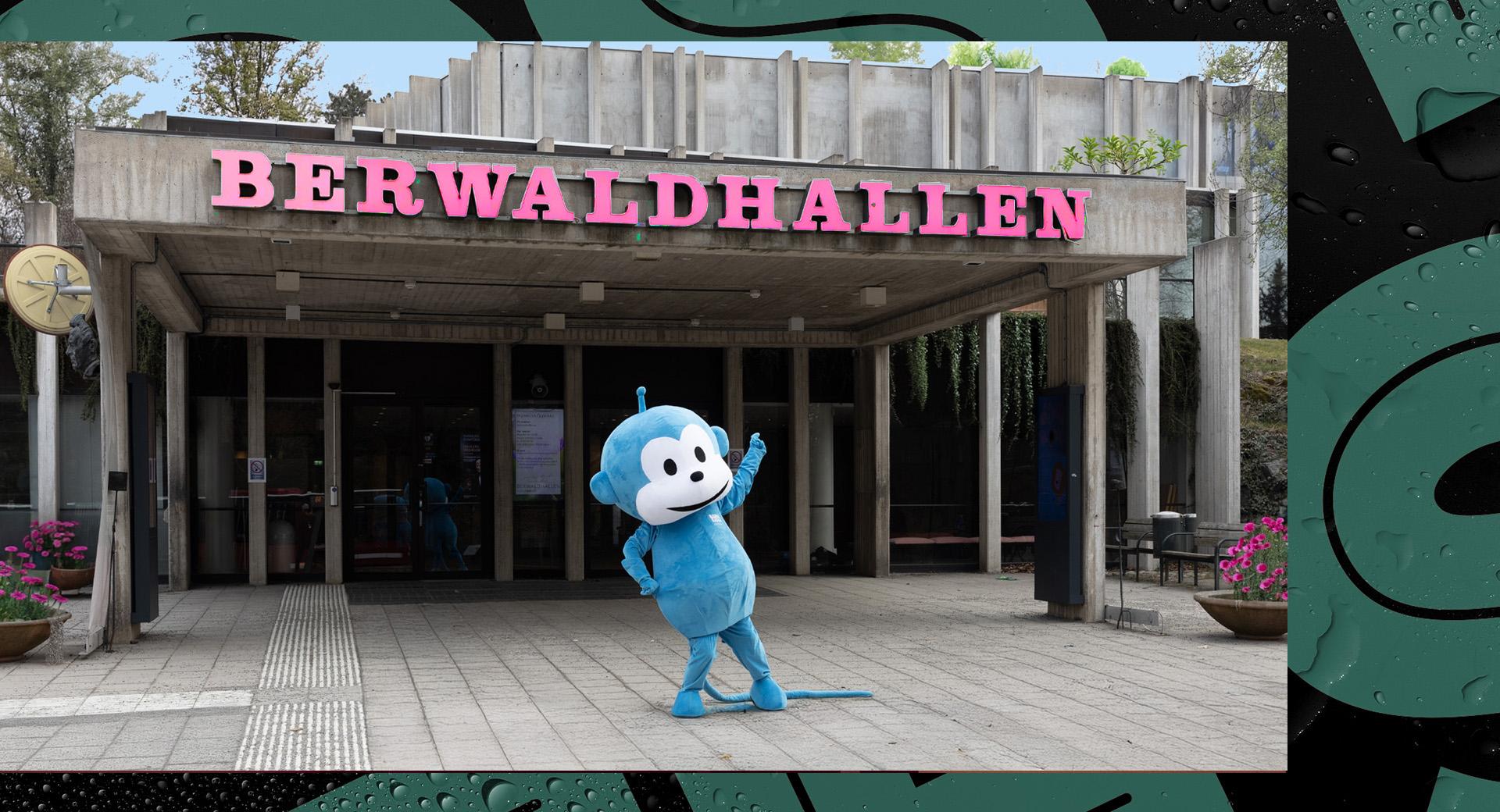 22 AugustiFamily day and open houseJoin the Baltic Sea Festival's traditional family day for all ages!Read more