Passion and protest
When the award-winning and acclaimed Czech Philharmonic visits the Baltic Sea Festival together with its legendary Chief Conductor and Music Director Semyon Bychkov and world-class soloists, two evenings filled with passion, power and emotion await. First up is violinist Janine Jansen, who recently completed her Artist in Residence with the Swedish Radio Symphony Orchestra, here in Shostakovich's first violin concerto in A minor, a work where quiet introspection is broken by an underlying rebellion – a silent protest against oppression. After follows Antonin Dvořák's Seventh Symphony – one of his most dramatic and concentrated, inspired by political movements in Bohemia and the composer's own sense of national identity, which gives the music an emotional depth.
This production is part of one or more concert series.
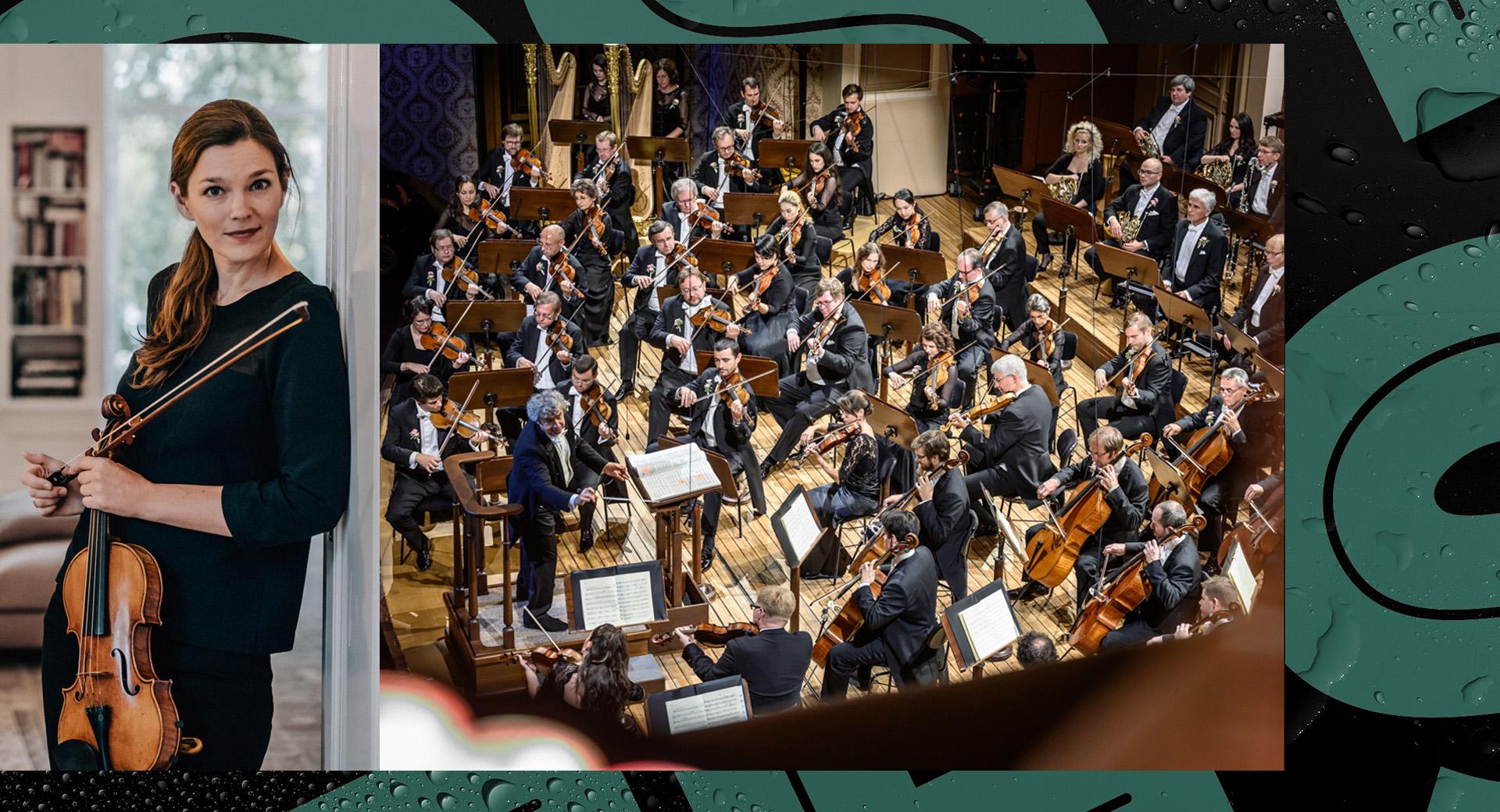
The concert is broadcast live on P2.
Patriotism and PR sense
Antonín Dvořák captured the Czech folk soul in his music. That the Czech Philharmonic plays Dvořák is as natural as that the Swedish Radio Symphony Orchestra plays Franz Berwald. Semyon Bychkov, the orchestra’s Chief Conductor and Music Director since 2018, has continued to lead its development as one of the world’s leading orchestras during his eight years in the role. Two years ago, they released an acclaimed recording of Dvořák’s last three symphonies.
Today, we naturally think of Dvořák as a Czech composer, but he was born in the Austrian Empire and died in the Austro-Hungarian Dual Monarchy. Both empires also included Moravia and Bohemia, which today constitute the eastern and western Czech Republics, respectively.
During Dvořák’s life, a longing for freedom and a separate identity grew in Bohemia and Moravia, just as in other parts of Europe at the same time. He absorbed the folk music of his homeland and channelled it into his works. His Slavonic Dances, for example, are not arrangements of existing folk melodies, but his own compositions inspired by folk dances.
The seventh symphony, on the other hand, is not a distinctly Czech work, which was probably a highly conscious decision. It had been commissioned by the Royal Philharmonic Society in London, which elected Dvořák an honorary member in 1884. This could have been his great international breakthrough. Patriotism had to come second – this was above all to be a symphony of the calibre of Brahms and Beethoven.
The four movements of the Seventh Symphony
The first movement is said to have been sketched out in just a few days. “I am at present completely absorbed in my new symphony,” Dvořák wrote to his friend Antonín Rus, “and wherever I go I cannot think of anything else.” Dvořák’s high ambitions for the symphony are also evident: “it must be able to move the whole world, may God grant it!”
The dramatic introduction is said to have been inspired by anti-royalist demonstrations in connection with a visit to Prague by a delegation from Budapest, one of the capitals of the dual monarchy. The stormy main theme, dominated by timpani and trumpets, is noticeably contrasted by the carefree side theme, at least until it is infected by the main theme’s gloom in the middle section. After a cascade of fanfares, the movement ends as it began: dark and mysterious.
The second movement begins with a slightly folk-tinged chorale melody in the woodwinds, like a humble but proud pastoral. The music oscillates between the peaceful idyll and threatening shadows – especially in the parts dominated by the string section – which recall the stormy first movement.
The Seventh Symphony is not completely free from Czech influences. The third movement is written in six-bar time, but the melody often runs in a kind of grand triple time, with emphasis on every other beat. This syncopated rhythm is typical of the Bohemian folk dance furiant that Dvořák used in many of his works. The furiant is not as pronounced as in his sixth symphony, for example, but Dvořák’s Bohemian roots nevertheless shine through.
In the final movement, the symphonic bag is tied together with flashbacks to the restless first, the carefree second and the dance-like third movements. Thanks to a sure hand, it is not a motley patchwork but a grand finale in a shining D major.
From Stalin to Khrushchev
Dmitri Shostakovich’s conflicted relationship with the Soviet regime is well known. Not yet 30, he was already a rising star. The opera Lady Macbeth of Mtsensk was praised all the way from politics to the cultural world when it premiered in January 1934. But almost to the day two years later, things took a turn for the worse.
Two days after Joseph Stalin himself attended a performance of the hit opera, the propaganda newspaper Pravda published the infamous article “Confusion Instead of Music,” in which it was branded vulgar and incomprehensible, and accused of making fun of the art of opera. At the same time, Stalin began the bloody persecution that has come to be known as “the Great Purge.” Shostakovich made a humiliating abdication and adapted his music to the political dictates – with his life hanging by a thread.
In the 1930s, Shostakovich got to know the violinist David Oistrakh, who wanted a solo concert from his fellow musician of the same age. But under the watchful eye of the regime, no such concert was written. It was not until the summer of 1947 that he began working on Oistrakh’s piece. He was just about to finish it in February of the following year when, in a twist of fate, he and his fellow composers were hit by the Zhdanov Doctrine’s repression of art deemed unsuitable by the party. The Violin Concerto was completed but shelved.
It was not until October 1955, after Stalin’s death and with Nikita Khrushchev’s systematic de-Stalinizing reforms underway, that David Oistrakh finally had the opportunity to premiere the Violin Concerto, 20 years after he had commissioned it. Oistrakh described the solo movement as a “marrow-filled Shakespearean character” and the work was a great success.
A Symphony for Violin and Orchestra
A violinist of Janine Jansen’s calibre hardly needs any further introduction, especially not to Berwaldhallen’s audience. She has visited the Swedish Radio concert hall several times, not least during the 2025/2026 season as Berwaldhallen’s Artist in Residence. Shostakovich’s First Violin Concerto is known as a real challenge, but Jansen is not known for ducking challenges.
The Violin Concerto oscillates in a characteristically Shostakovichian way between emotional extremes: from bitter melancholy to almost sarcastic rapture. The first movement is dark and pensive, justifying the title “Nocturne”, which means night music, although the dynamics move between sheer flageolets and passionate outbursts. The work immediately changes character in the second movement: a seemingly danceable and klezmer-inspired scherzo, but turned up to furious mania, as if driven by the Nixie himself.
The Passacaglia, the third movement, begins with low strings, brass and timpani that strike a doom-laden note. Against the repeated bass line, which is the hallmark of the passacaglia, it is as if Shostakovich is pouring out his soul in the heartbreaking solo part. This feeling was shared by Shostakovich’s close friend Isak Glikman, who said that in the passacaglia he “blurred the line between the outer world and the inner”. A long and very intricate solo cadence leads right into the last movement, which again offers a drastic contrast: if the second movement was manic, the last is a real devil’s dance that does not let go of either player nor listener.
Text: David Saulesco (translated by Anna Rickman)
Ticket purchase
Passion and protest
August 25
- Buy tickets
25 August 2026 ● tuesday 19:00
Seats left
Read more about this year's festival
The Baltic Sea Festival returns to Stockholm from 21–29 August 2026, filling the city with music that spans the intimate to the monumental. You can look forward to a rich mix of orchestral concerts, chamber music, choral works, jazz explorations, contemporary premieres, and boundary-crossing collaborations.
Baltic Sea Festival 2026
 21 August350 - 650 krRythm and ritualThe Baltic Sea Festival 2026 opens with premieres and pulse! Andres Orozco-Estrada debuts as Chief Conductor, Hillborg’s Hell Mountain has its Swedish premiere, and Molly Kien’s new work receives its world premiere. Soprano Malin Byström sparkles in Alma Mahler’s songs before the evening culminates in Stravinsky’s iconic The Rite of Spring.Read more & tickets
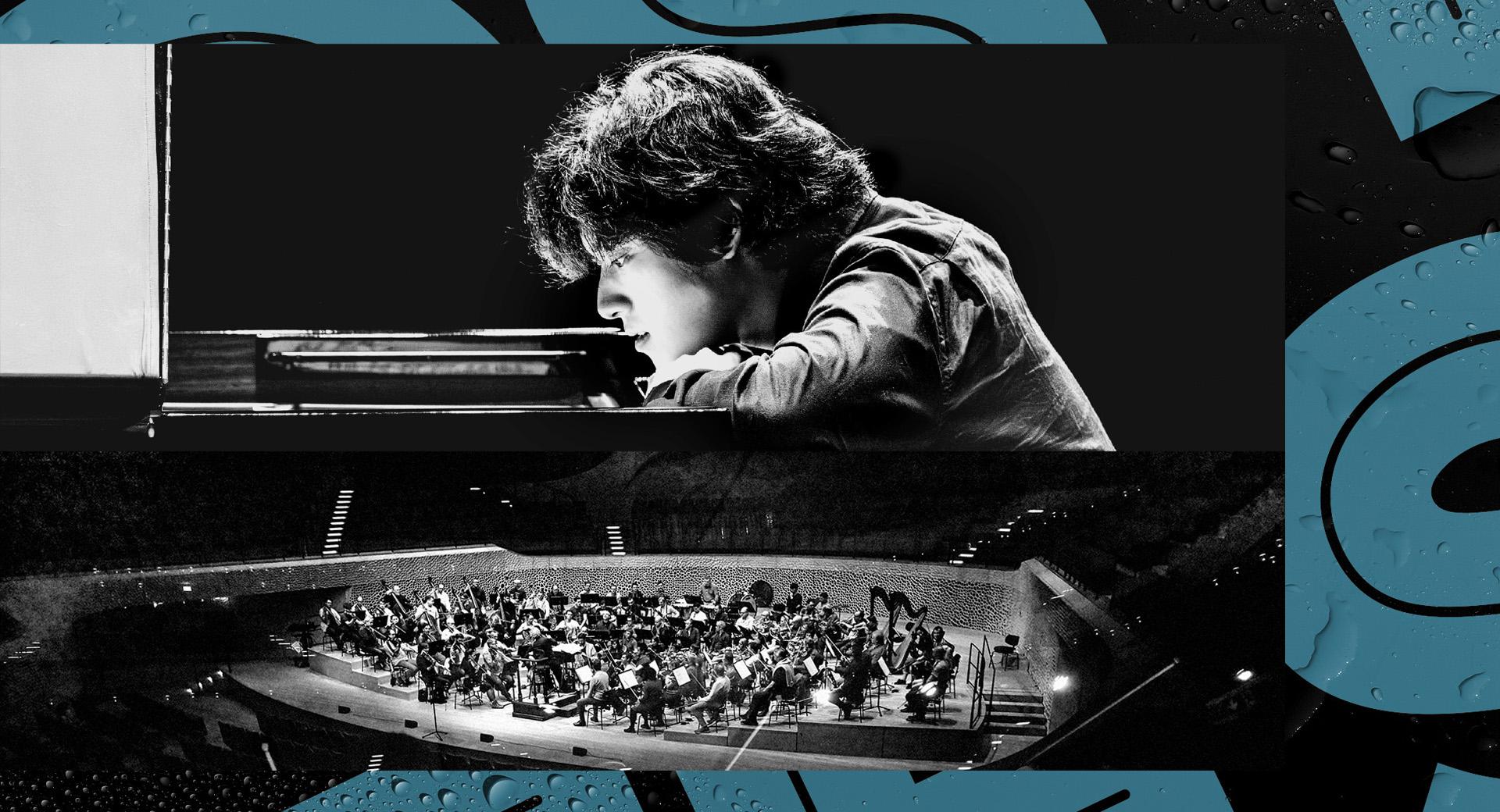 26 August350 - 650 krDreams of freedomThe Czech Philharmonic returns under Chief Conductor and Music Director Semyon Bychkov, joined by internationally acclaimed pianist Yunchan Lim in his Swedish debut. Ravel’s Piano Concerto dazzles with jazzy, dreamlike colours, followed by Smetana’s Má Vlast, a majestic journey through Bohemia’s landscapes and spirit.Read more & tickets
 Few seats remaining27 August350 - 650 krBeyond baroqueDay four of the Baltic Sea Festival 2026 takes us beyond the boundaries of time. Countertenor Jakub Józef Orliński returns together with the baroque orchestra Il Pomo d’Oro for a program exploring the music of the early Baroque.Read more & tickets
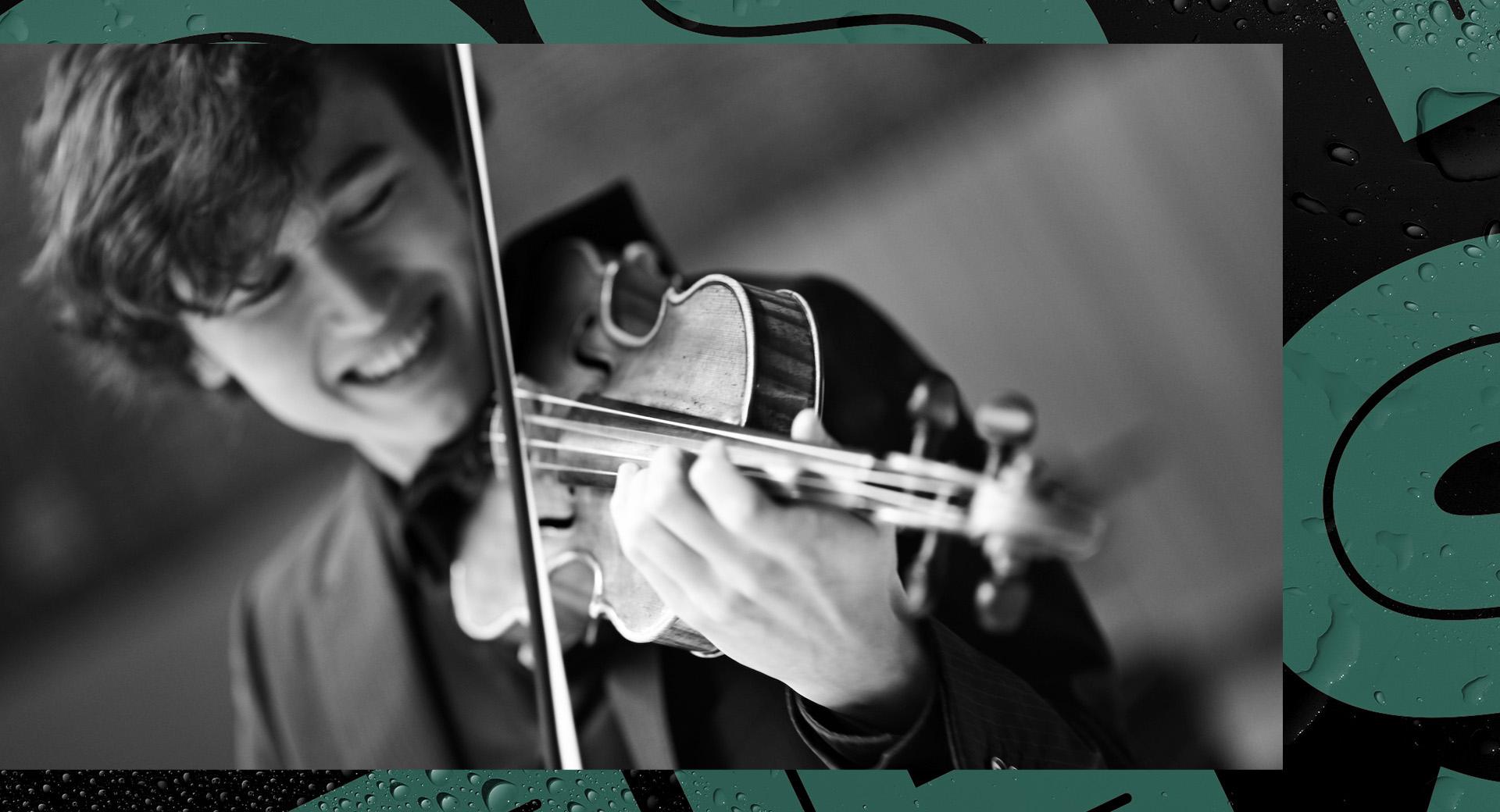 Few seats remaining22 August80 - 275 krBack to Bach with LozakovichInternationally acclaimed violinist Daniel Lozakovich offers an exklusive concert in Storkyrkan featuring music by his great artistic beacon, Johann Sebastian Bach.Read more & tickets
 Few seats remaining28 August350 - 650 krBeethoven's DNAWhat lies at the core of Beethoven’s music – and where do its building blocks come from? Martin Fröst leads the Swedish Chamber Orchestra in a program where Jacob Mühlrad’s Helix meets Hans Ek’s DNA Suite, inspired by Bach, Rameau, and Handel. The evening culminates in Beethoven’s Symphony No. 7 – a work carrying this entire musical heritage in its DNA.Read more & tickets
 No tickets leftAugust 28275 krLate Night Concert with the Swedish Radio ChoirAs the summer evening drifts into night, the Swedish Radio Choir takes over Nordiska museet with an atmosphere‑laden programme moving between ancient spirituality and contemporary sonic brilliance. ogether with violist Ami‑Louise Johnsson, we encounter everything from Bach’s introspective Baroque lines and Ligeti’s hypnotic solo viola to the deeply meditative choral music of Tavener and McDowall.Read more
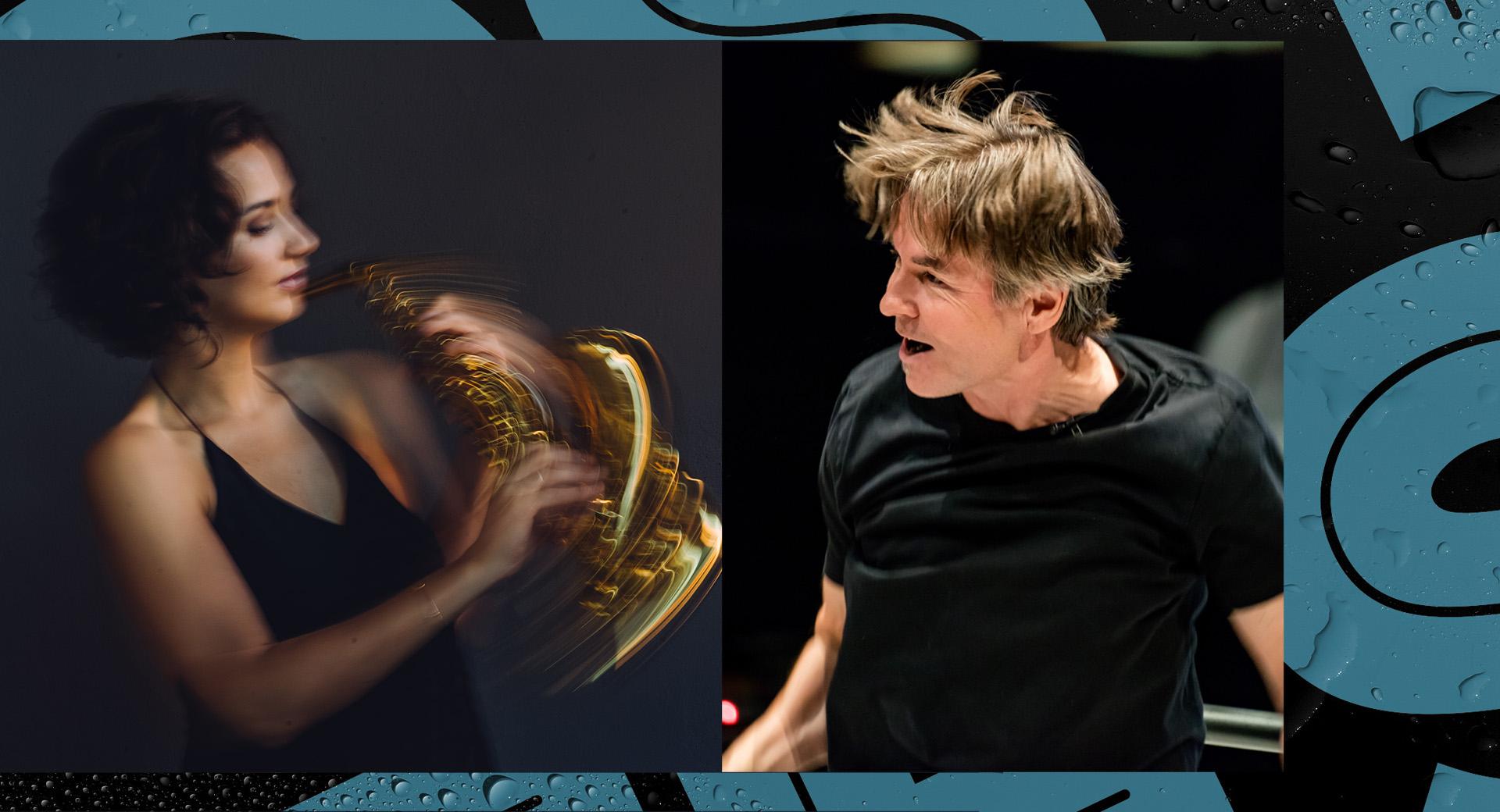 Few seats remaining29 August350 - 650 krFate & guiltThe Baltic Sea Festival’s grand finale invites you to an evening of drama and rich sonorities. Esa-Pekka Salonen conducts the Swedish Radio Symphony Orchestra together with soprano Aphrodite Patoulidou, baritone Peter Mattei, and saxophonist Asya Fateyeva. A closing night where contemporary sound meets Nordic legend in a powerful musical encounter.Read more & tickets
 23 AugustSchweitzer, Lyssarides & CoTrombonist and big band leader Tilde Schweitzer and multi-award-winning pianist Joel Lyssarides take the stage at Fasching together with 16 string musicians in a concert that grew out of their shared love of the orchestral jazz tradition.Read more
 29 AugustFree - only signup is neededARTS LAB at the Finnish InstituteDo you want to hear what the concert halls of the future might sound like? During the Baltic Sea Festival, you can meet the participants of ARTS LAB – a project that brings together promising instrumentalists and composers from across the Baltic Sea region in a creative collaboration. ARTS LAB unites participants handpicked from the Voksenåsen Talent Program and Creative Dialogue, coached by internationally renowned mentors.Read more & tickets
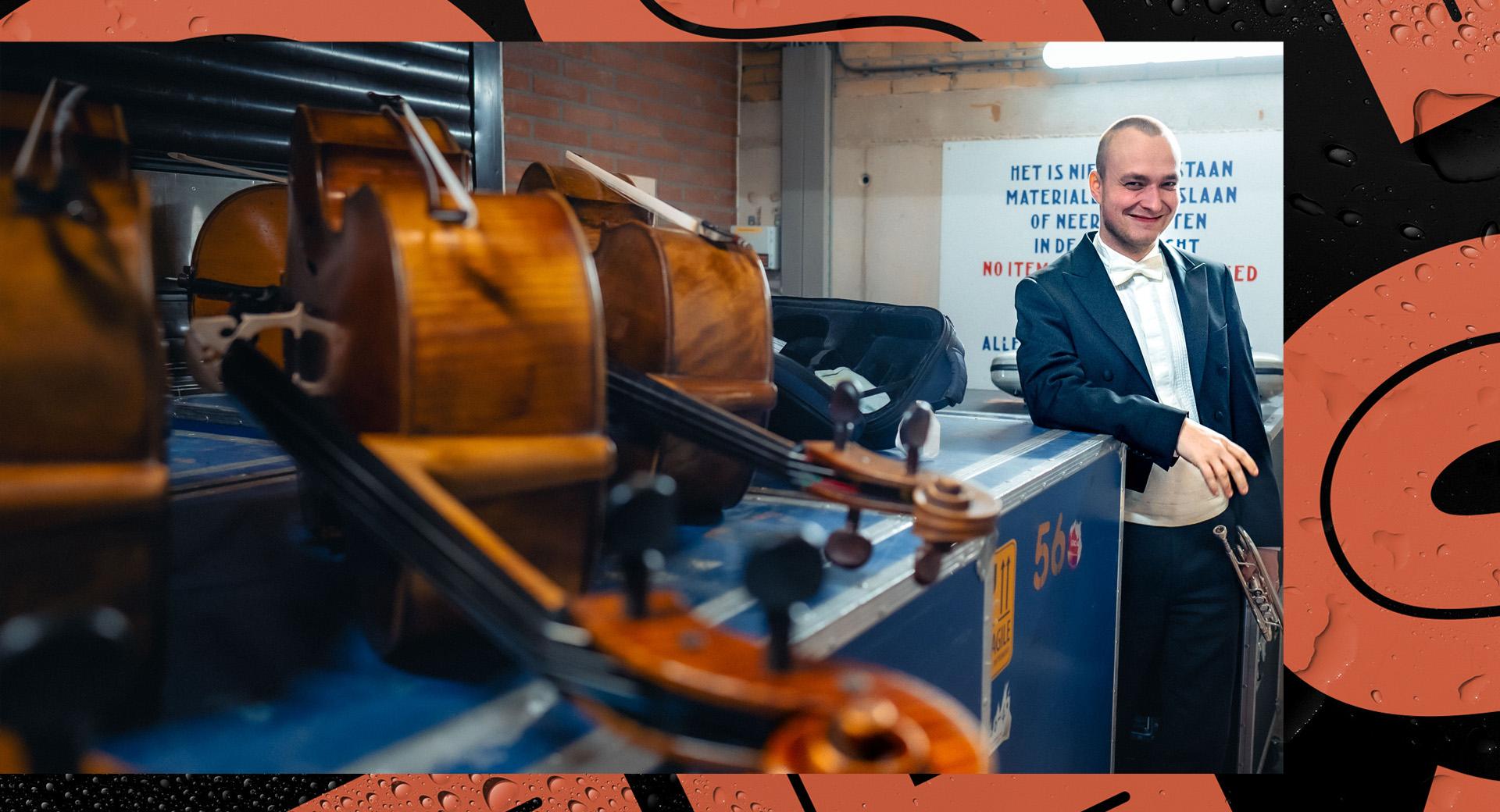 No tickets left27 August275 krBerwald’s septet and Dvořák’s Serenade for StringsMusicians from the Czech Philharmonic and the Swedish Radio Symphony Orchestra meet in the Queen Silvia Concert Hall to perform chamber music by Franz Berwald and Antonín Dvořák.Read more
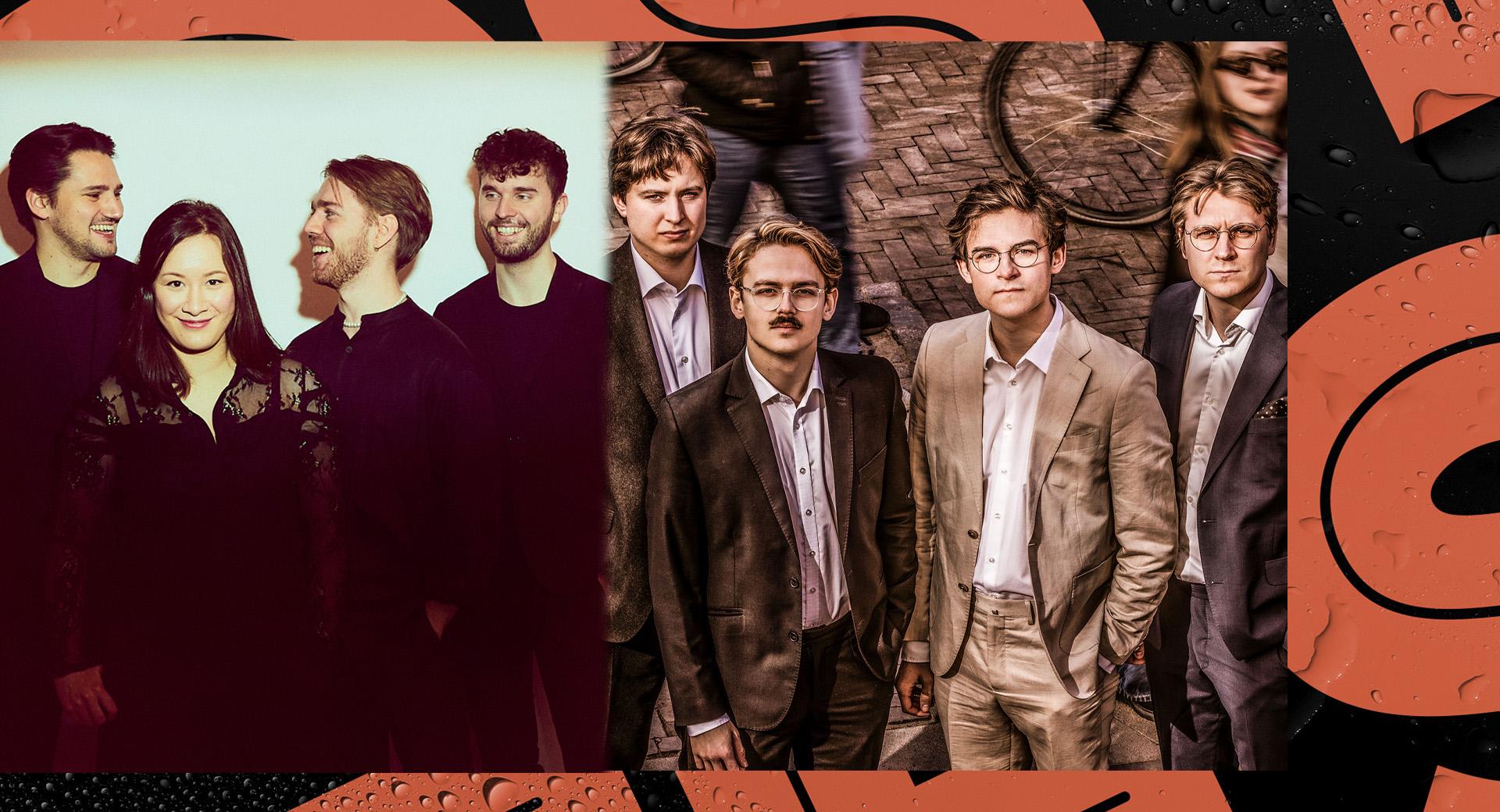 29 August275 krOpus13 & Monbijou QuartetTwo of the most acclaimed string quartets of our time—Monbijou Quartet and Opus13—join forces in a programme that moves between contemporary sonic...Read more & tickets
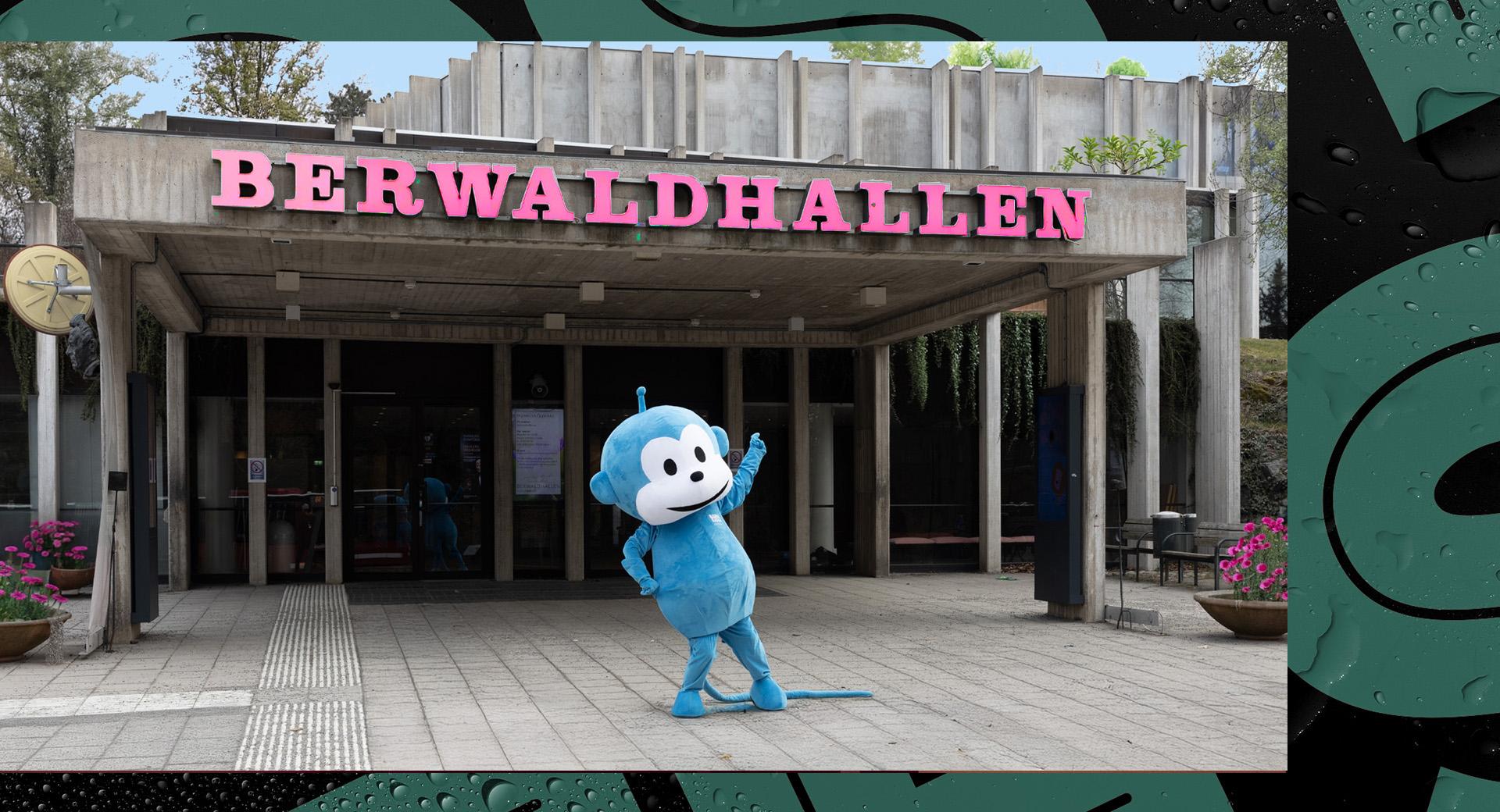 22 AugustiFamily day and open houseJoin the Baltic Sea Festival's traditional family day for all ages!Read more