Berwald’s septet and Dvořák’s Serenade for Strings
The third day of the Baltic Sea Festival opens with a vibrant musical gathering as musicians from the Czech Philharmonic and the Swedish Radio Symphony Orchestra meet in the Queen Silvia Concert Hall. Together they highlight two chamber music masterpieces from their respective homelands: Antonín Dvořák’s warmly lyrical and irresistibly melodic Serenade for Strings — deeply rooted in Czech folklore — and Franz Berwald’s charmingly idiosyncratic Grand Septuor, a work that carries traces of Swedish musical identity in its most inventive form. A meeting of traditions, sound worlds, and musical roots.
This production is part of one or more concert series.
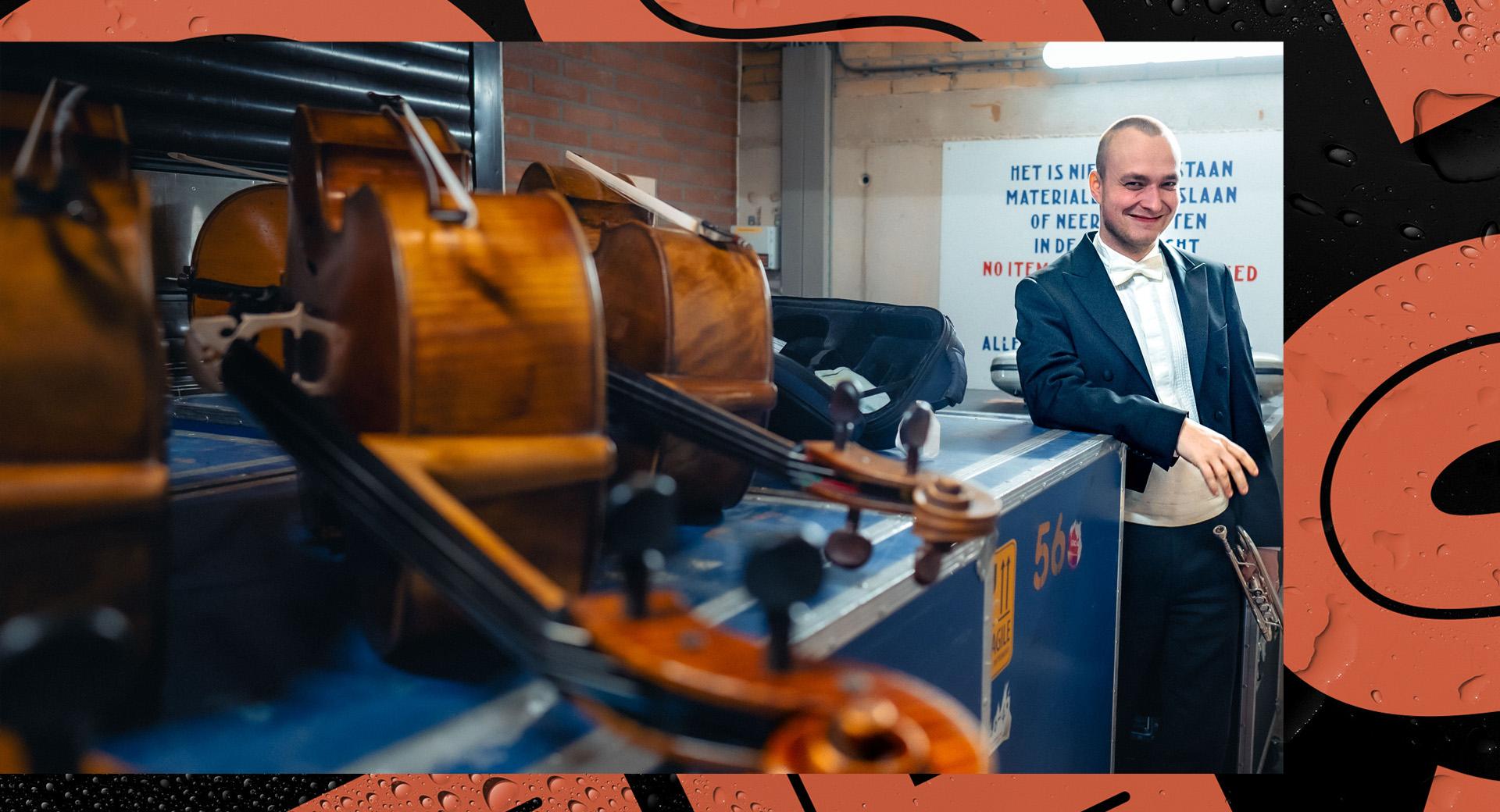
The concert will be recorded and broadcast at a later date on Swedish Radio P2
The Danish composer Carl Nielsen wrote 1911 in a letter to his Swedish colleague Wilhelm Stenhammar: “Neither pressure, money nor power can harm or benefit good art. There will always be some simple, decent artists who persist, produce and stand up for their works. In Sweden you have the finest example of this: Berwald.”
Franz Berwald began playing the violin when he was five years old, and at the age of 16 he received a position in the Royal Court Orchestra in Stockholm. The multi-talented Franz had high-flying composer ambitions, and alongside his work in the orchestra pit, he composed resolutely. However, his musical experimentation made it difficult to fit into the Swedish establishment. In March 1824, Berwald responded to an anonymous critical review in the newspaper Argus:
“… the reviewer should remember that any attempt to establish an uncommon system, a new handling of the instrumentation and its use, will always begin with many difficulties.”
In 1828 Berwald left the Royal Orchestra and traveled to Berlin. He was going to write opera! As an opera composer, one could become internationally famous and financially successful. But it turned out that the German metropolis was even less receptive to Berwald’s radical musical vision than Stockholm, and in the end he was close to giving up composing altogether. Instead, he founded and led an orthopedic institute for many years that became very successful – some of the mechanical devices he designed were in fact used right up until the 20th century.
In 1849 Berwald returned to Sweden for good. For a number of years to come, he worked as a manager at the Sandö glassworks north of Härnösand. He spent the winter months composing in Stockholm. In 1862, the Stockholm Opera premiered his Estrella de Soria, and the seasoned composer finally experienced relatively great success.
Berwald, whose music was neither played nor appreciated much during his lifetime, is now celebrated, even internationally, as a significant composer. His conscious experiments in form, his idiosyncratic melodic and rhythmic whims – always with fresh and exuberant elegance – make him a solitaire in Swedish music history.
Grand Septour in B-flat major
At a concert in Börshuset in December 1828, his Grand Septuor in B-flat major was premiered. The work is original, with often unexpected harmonic progressions and an experimental musical structure. The composer’s deep familiarity with and love of musical drama is palpable – when you listen, it is like stepping straight into an opera performance. The short Adagio of the first movement leads into a sonata-format Allegro molto. The slow, seemingly conventional second movement, Poco adagio — Prestissimo — Adagio is suddenly interrupted by a cheerful scherzo. Allegro con spirito, the lively and humorous finale, perfectly embodies the motto that Berwald formulated on August 17, 1838: “Art only goes well with a good mood. The meek should never get involved in it. All sighing artists become, for the listener or spectator, interesting even for a moment, but in the long run boring to death. Therefore: life and strength – feeling and reason.”
Dvořák and Serenade for Strings in E major, Op. 22
In the 1860s, Prague was the hub of a seething musical life. The city had several concert and opera houses and was regularly visited by renowned artists from all over Europe. The young Antonín Dvořák, who made a living as an orchestra musician and organist, found himself at this epicenter. Like Berwald, he wanted to compose, and he drew his inspiration from several different sources: Viennese classicism, more modern German movements with composers like as Liszt and Wagner, Italian opera, and the Czech folk music tradition.
When Dvořák was awarded the Austrian state composition scholarship in 1875, his life changed dramatically. Now he was considered a “real” composer and could devote himself to composing full time. He was also newly married, and the young couple had just had their first child. Life seemed bright and hopeful when, in May of that year, he wrote his Serenade for Strings in E major, Op. 22.
After a rousing Moderato cantabile, the melancholic Tempo di valse follows. A spiritual Scherzo vivace has the scent of Felix Mendelssohn. The yearning Larghetto connects to the waltz melody of the second movement. Finally, the Allegro vivace, with traces of Bohemian peasant dances and reminiscences of the first movement’s theme, ties the work together, which ends with an exhilarating coda. Dvořák’s deep-rooted love for the rolling Czech landscape shimmers throughout the serenade, which has become one of the composer’s most beloved pieces. It was premiered in December 1876 by musicians from both Prague opera houses. This concert will also feature musicians from two orchestras, namely the Czech Philharmonic – honoured guests at this year’s Baltic Sea Festival – and the Swedish Radio Symphony Orchestra.
Text: Hedvig Ljungar (translated from Swedish)
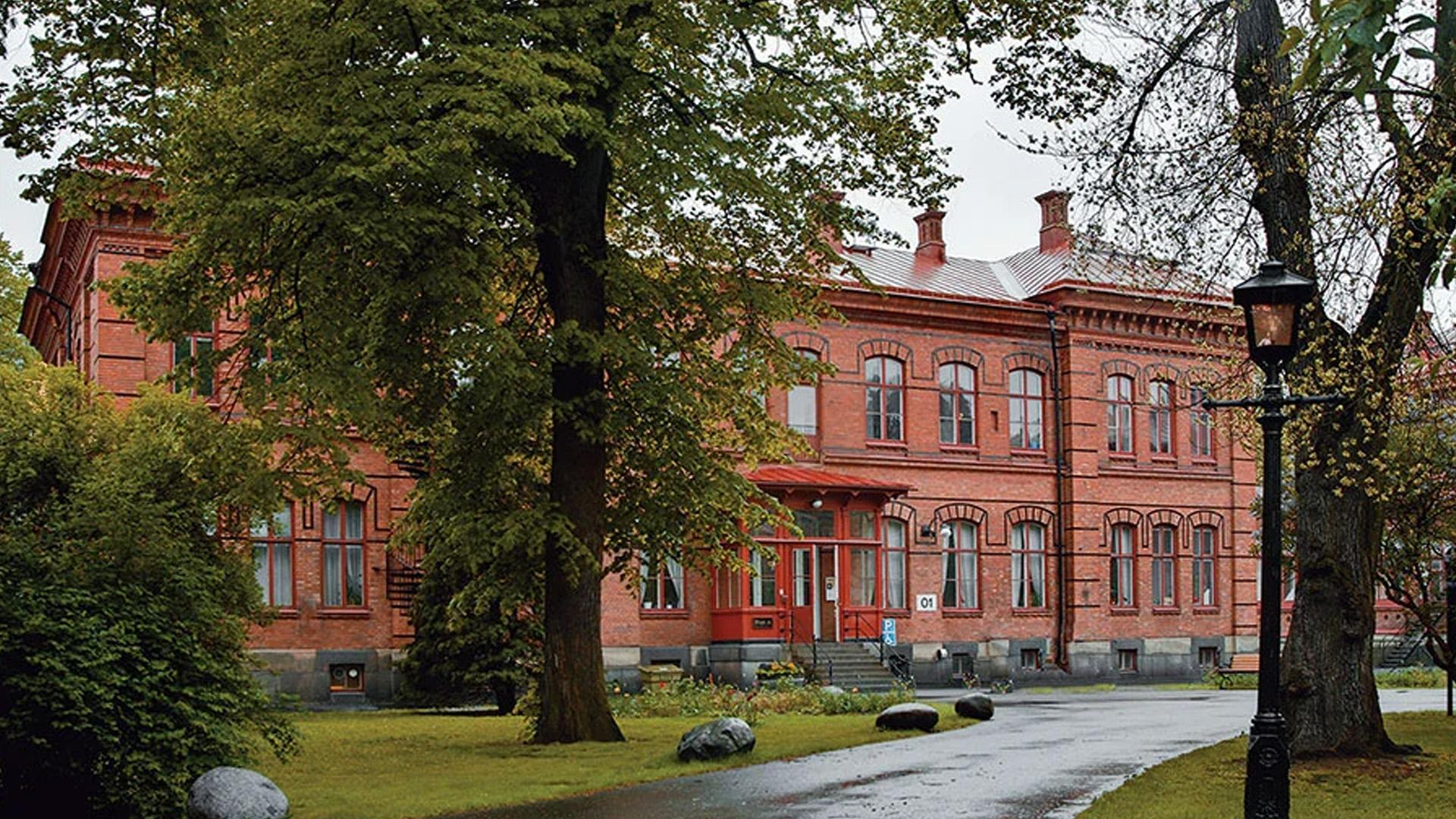
Get to Queen Silvia's Concert Hall
Queen Silvia's Concert Hall is located in Lilla Akademien, at Nortullsgatan 14, about 10 minutes walk from Odenplan or 4 minutes from bus stop Norrtullsgatan with bus no 2.
Doors open 30 min before the concert starts.
Ticket purchase
Berwald’s septet and Dvořák’s Serenade for Strings
27 August
- Buy tickets
27 August 2026 ● thursday 17:00
Few seats remaining
Read more about this year's festival
The Baltic Sea Festival returns to Stockholm from 21–29 August 2026, filling the city with music that spans the intimate to the monumental. You can look forward to a rich mix of orchestral concerts, chamber music, choral works, jazz explorations, contemporary premieres, and boundary-crossing collaborations.
Baltic Sea Festival 2026
 Date has passed21 AugustRythm and ritualThe Baltic Sea Festival 2026 opens with premieres and pulse! Andres Orozco-Estrada debuts as Chief Conductor, Hillborg’s Hell Mountain has its Swedish premiere, and Molly Kien’s new work receives its world premiere. Soprano Malin Byström sparkles in Alma Mahler’s songs before the evening culminates in Stravinsky’s iconic The Rite of Spring.Read more
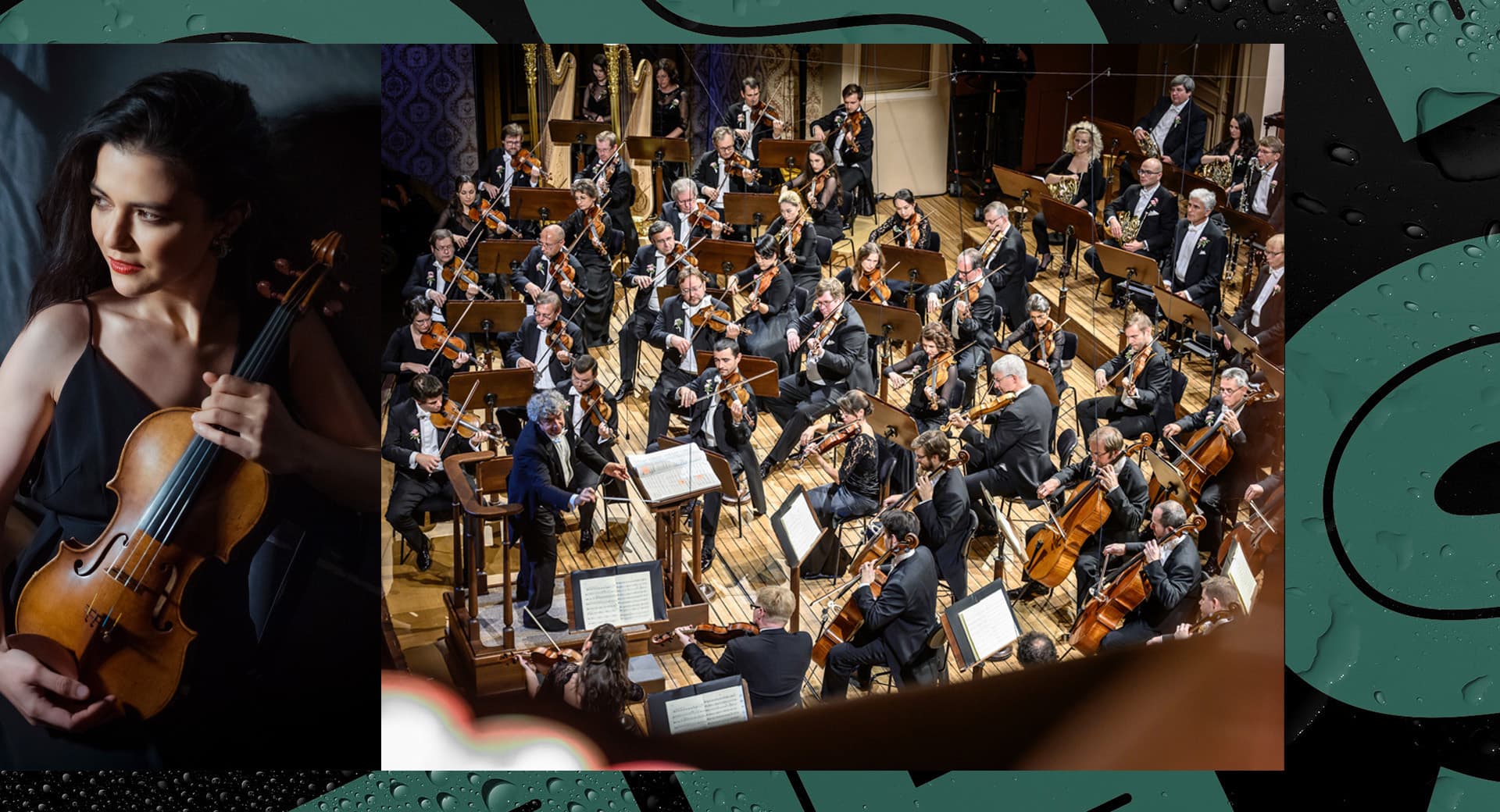 Date has passedAugust 25Passion and protestThe Czech Philharmonic visits the Baltic Sea Festival! Under its legendary Chief Conductor and Music Director Semyon Bychkov, Karen Gomyo, who due to illness is replacing Janine Jansen, performs Shostakovich’s first violin concerto, followed by Dvořák’s dramatic seventh symphony.Read more
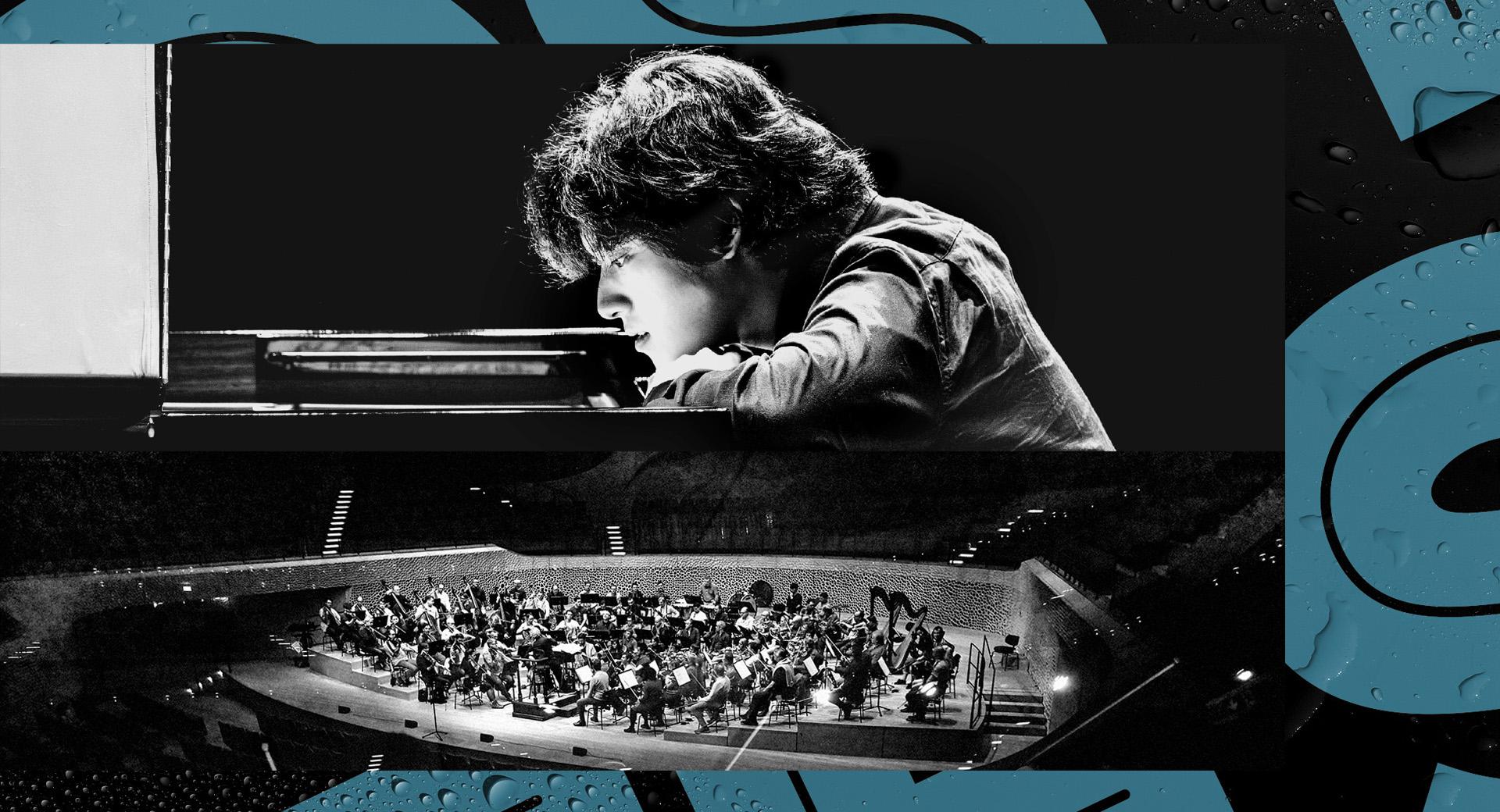 26 AugustDreams of freedomThe Czech Philharmonic returns under Chief Conductor and Music Director Semyon Bychkov, joined by internationally acclaimed pianist Yunchan Lim in his Swedish debut. Ravel’s Piano Concerto dazzles with jazzy, dreamlike colours, followed by Smetana’s Má Vlast, a majestic journey through Bohemia’s landscapes and spirit.Read more
 Few seats remaining27 August350 - 650 krBeyond baroqueDay four of the Baltic Sea Festival 2026 takes us beyond the boundaries of time. Countertenor Jakub Józef Orliński returns together with the baroque orchestra Il Pomo d’Oro for a program exploring the music of the early Baroque.Read more & tickets
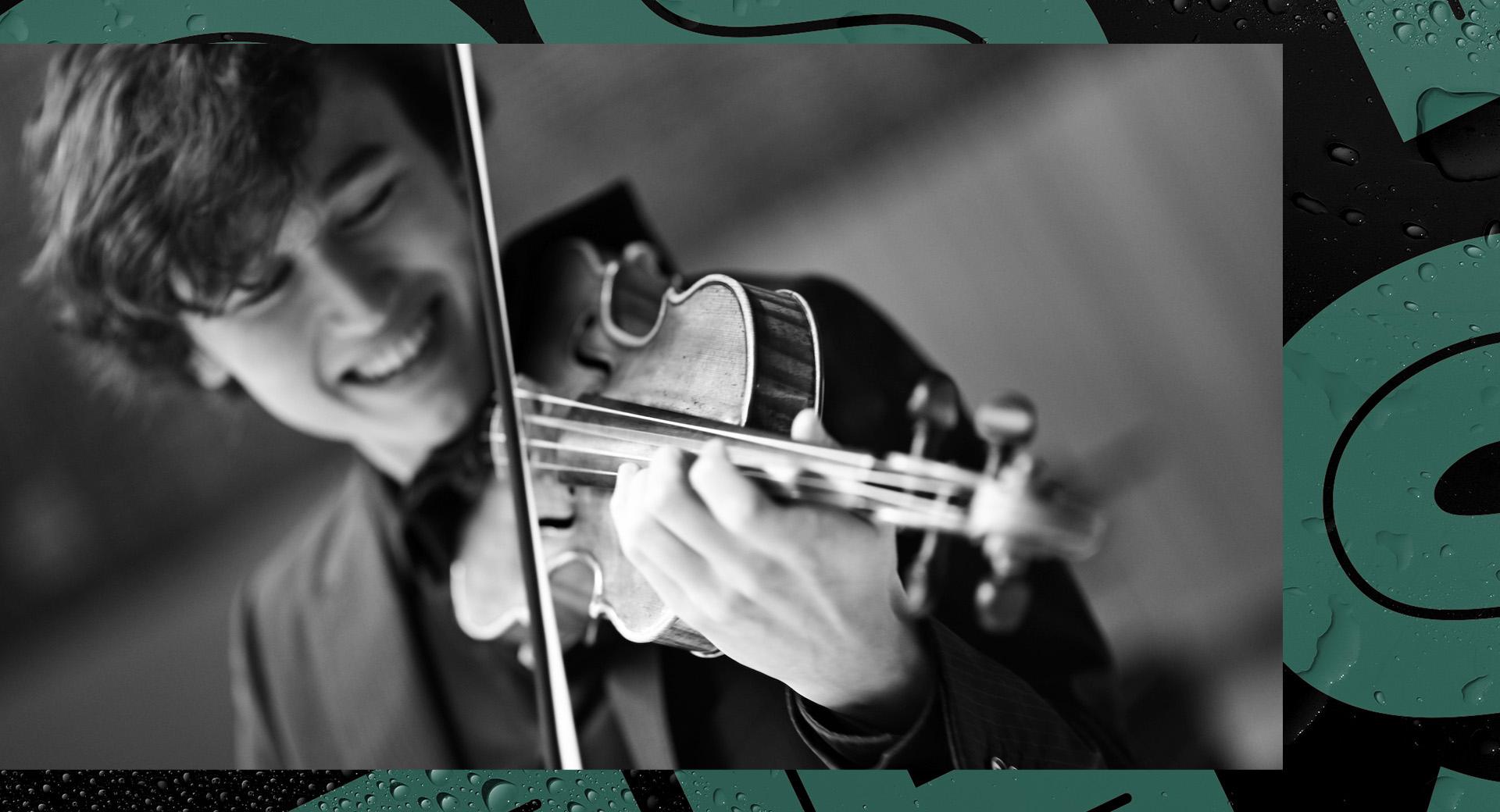 Date has passed22 AugustBack to Bach with LozakovichInternationally acclaimed violinist Daniel Lozakovich offers an exklusive concert in Storkyrkan featuring music by his great artistic beacon, Johann Sebastian Bach.Read more
 No tickets left28 August350 - 650 krBeethoven's DNAWhat lies at the core of Beethoven’s music – and where do its building blocks come from? Martin Fröst leads the Swedish Chamber Orchestra in a program where Jacob Mühlrad’s Helix meets Hans Ek’s DNA Suite, inspired by Bach, Rameau, and Handel. The evening culminates in Beethoven’s Symphony No. 7 – a work carrying this entire musical heritage in its DNA.Read more
 No tickets leftAugust 28275 krLate Night Concert with the Swedish Radio ChoirAs the summer evening drifts into night, the Swedish Radio Choir takes over Nordiska museet with an atmosphere‑laden programme moving between ancient spirituality and contemporary sonic brilliance. ogether with violist Ami‑Louise Johnsson, we encounter everything from Bach’s introspective Baroque lines and Ligeti’s hypnotic solo viola to the deeply meditative choral music of Tavener and McDowall.Read more
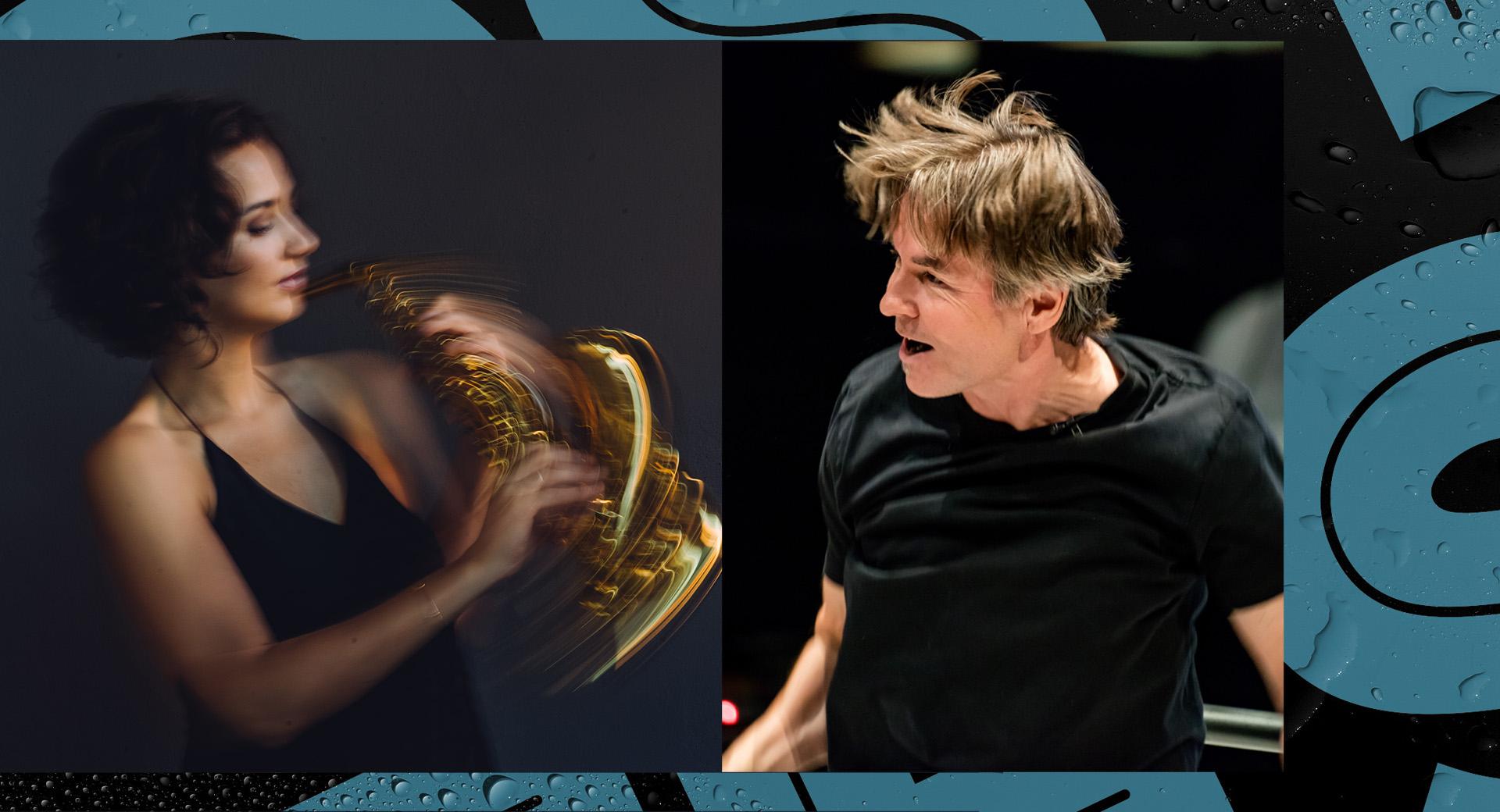 Few seats remaining29 August350 - 650 krFate & guiltThe Baltic Sea Festival’s grand finale invites you to an evening of drama and rich sonorities. Esa-Pekka Salonen conducts the Swedish Radio Symphony Orchestra together with soprano Aphrodite Patoulidou, baritone Peter Mattei, and saxophonist Asya Fateyeva. A closing night where contemporary sound meets Nordic legend in a powerful musical encounter.Read more & tickets
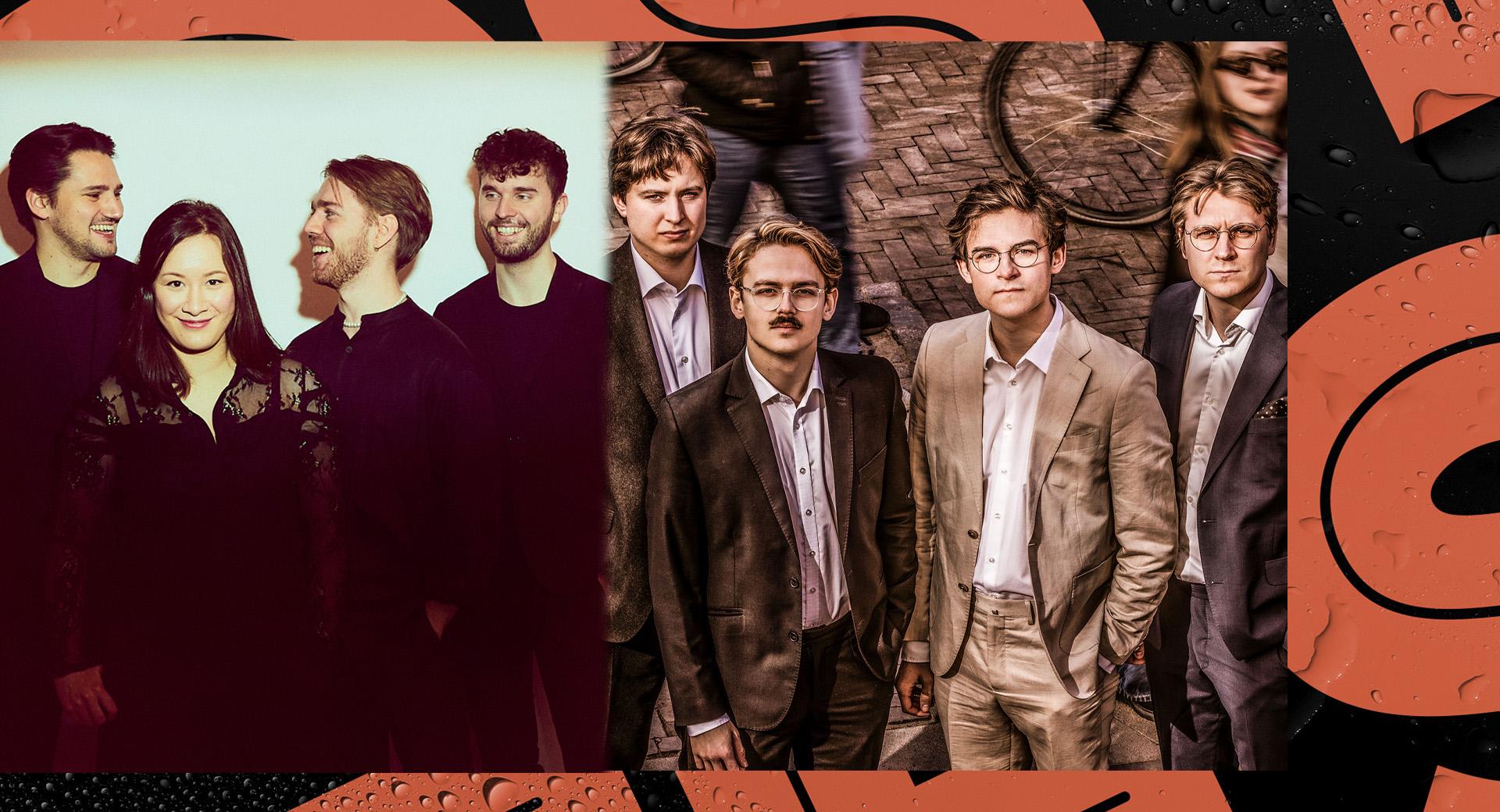 Few seats remaining29 August275 krOpus13 & Monbijou QuartetTwo of the most acclaimed string quartets of our time—Monbijou Quartet and Opus13—join forces in a programme that moves between contemporary sonic...Read more & tickets
 Date has passed23 AugustSchweitzer, Lyssarides & CoTrombonist and big band leader Tilde Schweitzer and multi-award-winning pianist Joel Lyssarides take the stage at Fasching together with 16 string musicians in a concert that grew out of their shared love of the orchestral jazz tradition.Read more
 No tickets left29 AugustFree - only signup is neededARTS LAB at the Finnish InstituteDo you want to hear what the concert halls of the future might sound like? During the Baltic Sea Festival, you can meet the participants of ARTS LAB – a project that brings together promising instrumentalists and composers from across the Baltic Sea region in a creative collaboration. ARTS LAB unites participants handpicked from the Voksenåsen Talent Program and Creative Dialogue, coached by internationally renowned mentors.Read more
 Date has passed22 AugustiFamily day and open houseJoin the Baltic Sea Festival's traditional family day for all ages!Read more