Late Night Concert with the Swedish Radio Choir
As the summer evening drifts into night, the Swedish Radio Choir takes over Nordiska museet with an atmosphere‑laden programme moving between ancient spirituality and contemporary sonic brilliance. Together with violist Ami‑Louise Johnsson, we encounter everything from Bach’s introspective Baroque lines and Ligeti’s hypnotic solo viola to the deeply meditative choral music of Tavener and McDowall. The evening also includes music by Allegri and Gjeilo, each offering its own expression of timeless beauty resonating through the space.
This production is part of one or more concert series.

The concert is broadcast live on P2.
Music with heart and intellect
The Swedish Radio Choir and their chorus master Marc Korovitch—who also serves as principal conductor of the Spanish Radio Choir—present a varied and atmospheric programme together with violist Ami-Louise Johnsson, who this season is in the spotlight as Classical Artist in P2. Johnsson, who first appeared on the Berwaldhallen stage at the age of eight, performs, among other works, two solo pieces during the concert.
The first of these is Hora lungă, which translates roughly as “slow dance” in Romanian. It is both the title of the opening movement of György Ligeti’s Sonata for Viola and the name of the folk style that inspired it. The entire movement is played on the viola’s lowest string, producing its deepest and warmest tone, which, combined with the melancholic melody, lends the music an intense emotional quality. Through subtle adjustments of certain intervals—so-called microtonal intervals—Ligeti connects to folk tradition while further enhancing the piece’s evocative character. This sense of suggestion is perfected in the closing sequence of rising harmonics, until only a trace of the music remains.
More than two hundred years earlier, in the late 1710s, Johann Sebastian Bach composed three sonatas and three partitas—two common Baroque genres—for solo violin. In Ligeti’s music, the soloist carries a single melodic line, whereas Bach—through double stops, open strings, and shifts between the instrument’s registers—creates polyphonic music for what is essentially a monophonic instrument. Bach’s slow movement, Largo, is inspired by dance music of his time and is at once unassuming in its simplicity and yet full of refined elegance.
For birth and in death
Ami-Louise Johnsson also performs with the Swedish Radio Choir in three works on the programme: Norwegian composer Ola Gjeilo’s Serenity (O magnum mysterium) for choir and violin or cello, aEnglish composer John Tavener’s Svyati for choir and cello, and Andreas Tarrodis Poppies in October. The viola’s range sits between the depths of the cello and the brightness of the violin, making it well suited to both works’ solo lines.
The text of Serenity, composed in 2012, reveals that it is essentially a piece for Christmas: “O magnum mysterium et admirabile sacramentum, ut animalia viderent Dominum natum iacentem in præsepio”—“O great mystery and wondrous sacrament, that the animals should see the newborn Lord lying in a manger”. The music itself is not overtly festive, however, but rather clearly reflects Ola Gjeilo’s own style: situated somewhere at the intersection of the formal simplicity of John Adams and the harmonic language of Eric Whitacre, infused with a touch of Scandinavian sensibility. The affinity with contemporary American composers is no coincidence—Gjeilo studied in New York and has long been based in the United States.
In Svyati, the string part never descends to the cello’s lowest register but instead rises upwards, where the viola’s lighter tone imparts a different kind of gentleness to the solo line. In his commentary on the work, John Tavener likened the cello part to the priest in a Russian Orthodox funeral service. The choir, in turn, represents the congregation accompanying the coffin as it is carried out of the church, almost as in a Greek drama. As a representation of Christ in the music, the solo part must be performed “in a manner deriving from Russian Orthodox liturgical chant”. The text is in Church Slavonic and is drawn from the Russian Orthodox liturgy.
In both works, the string part is often woven into the choral texture, at times merging completely with it. In a similar way, Gjeilo’s and Tavener’s compositions form two sides of the same coin within this programme: death and life in a continuous cycle, expressed in these works with the same sense of inward devotion.
Of love and forgiveness
The Italian composer Gregorio Allegri lived and worked in Rome during the first half of the seventeenth century, at the transition from the Renaissance to the Baroque. Miserere mei, Deus for a cappella choir is his most famous work. It was written for performance during Holy Week in the Sistine Chapel in the Vatican and, in keeping with its liturgical setting, in a style that was already archaic at the time: falsobordone, a method of harmonising plainchant that had been in use for several centuries. The text is Psalm 51, beginning with the words “Miserere mei, Deus”—“Have mercy upon me, O God”—and is sung alternately by three groups of singers: two performing polyphonic harmonies and a third delivering monophonic responses in plainchant. The same musical sequence recurs throughout the piece—the focus lies on conveying the message of the Biblical text to the congregation, to the listener. The youngest work in the concert is Alma redemptoris mater, written in 2010 by English composer Cecilia McDowall. Yet it too has one foot firmly in music history: it was commissioned by the early music ensemble The Marian Consort, which specialises in medieval and Renaissance repertoire as well as contemporary works. The “loving Mother of the Redeemer” invoked in the text is the Virgin Mary. The text dates from the eleventh century and is one of four Marian antiphons regularly performed in the liturgy. McDowall both imitates the ornamentation and harmonic style of early polyphony and enriches it with contemporary elements such as chromaticism and, at times, almost freely tonal harmonies. The result is not fragmented or stylistically uncertain, but rather a compelling and sonorous synthesis spanning nearly a thousand years of musical history.
Text: David Saulesco
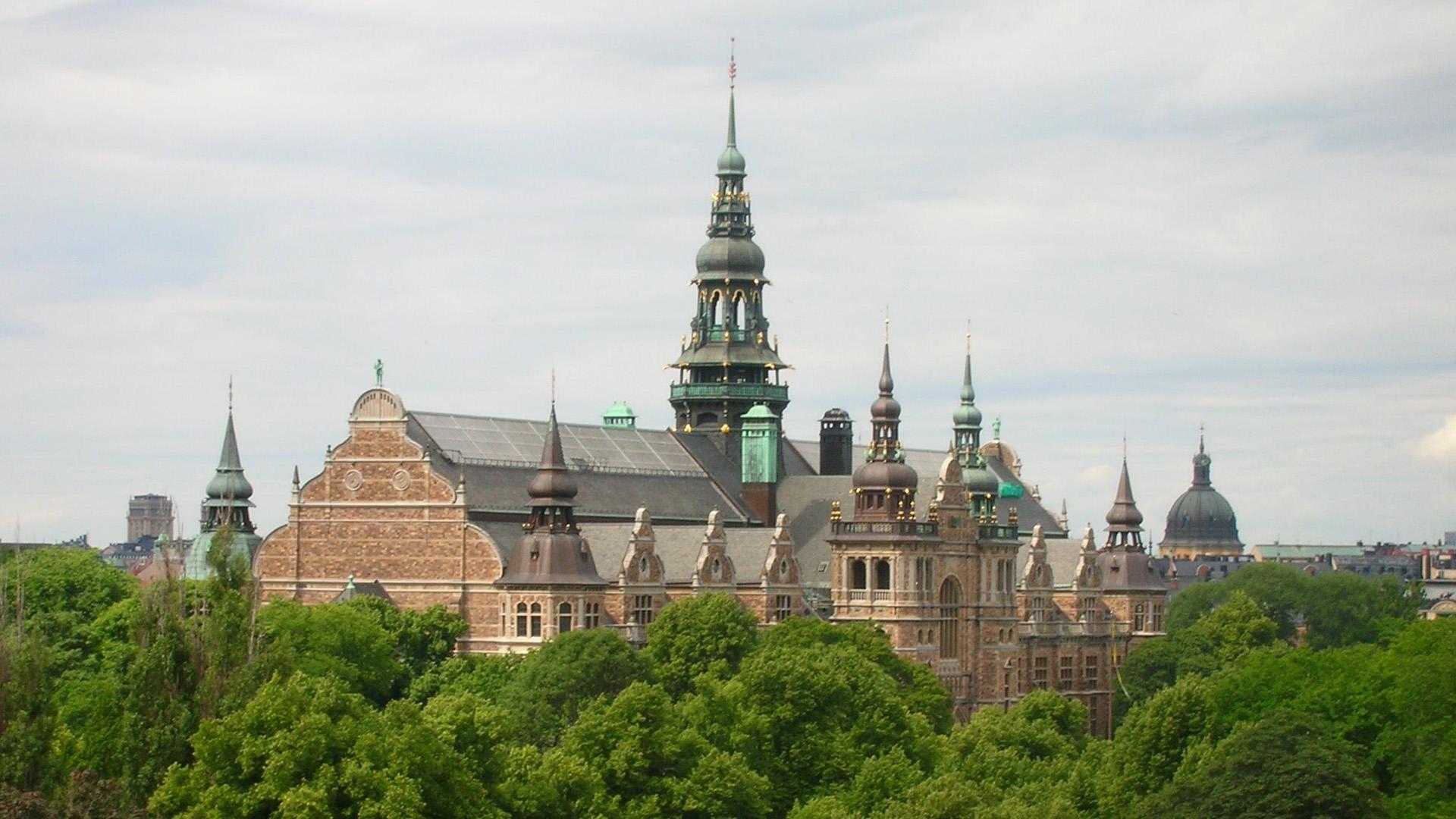
Get to the Nordic Museum
The Nordic Museum is located at Djurgårdsvägen 6–16. You can get here by bus 67 or tram line 7: the Nordiska museet/Vasamuseet stop, buses 76 and 69: the Djurgårdsbron stop, or ferry from Slussen, Hammarby Sjöstad or Viking terminal: the Allmänna Gränd stop.
Ticket purchase
Late Night Concert with the Swedish Radio Choir
August 28
28 August 2026 ● friday 21:30
No tickets left
Read more about this year's festival
The Baltic Sea Festival returns to Stockholm from 21–29 August 2026, filling the city with music that spans the intimate to the monumental. You can look forward to a rich mix of orchestral concerts, chamber music, choral works, jazz explorations, contemporary premieres, and boundary-crossing collaborations.
Baltic Sea Festival 2026
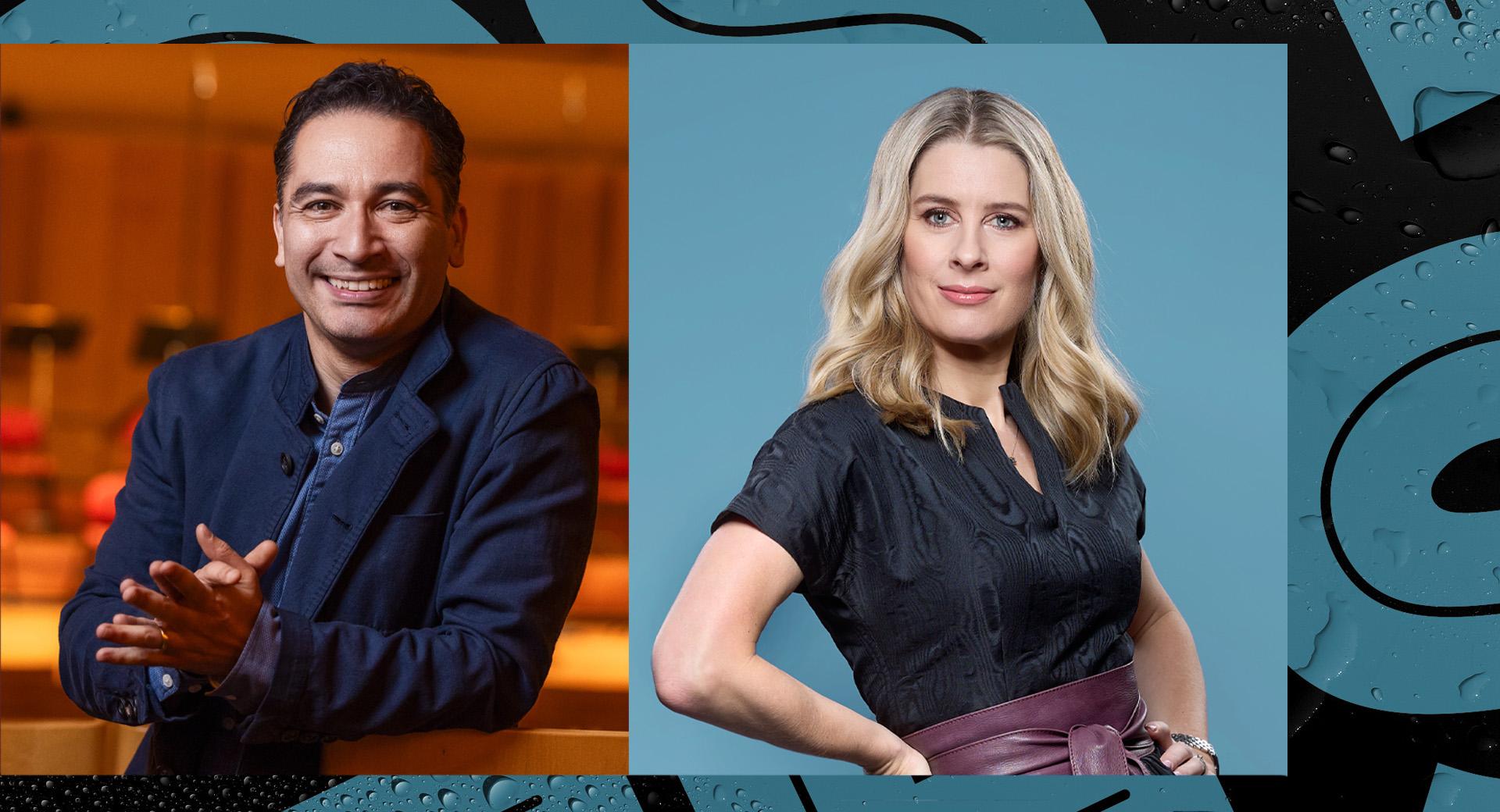 Date has passed21 AugustRythm and ritualThe Baltic Sea Festival 2026 opens with premieres and pulse! Andres Orozco-Estrada debuts as Chief Conductor, Hillborg’s Hell Mountain has its Swedish premiere, and Molly Kien’s new work receives its world premiere. Soprano Malin Byström sparkles in Alma Mahler’s songs before the evening culminates in Stravinsky’s iconic The Rite of Spring.Read more
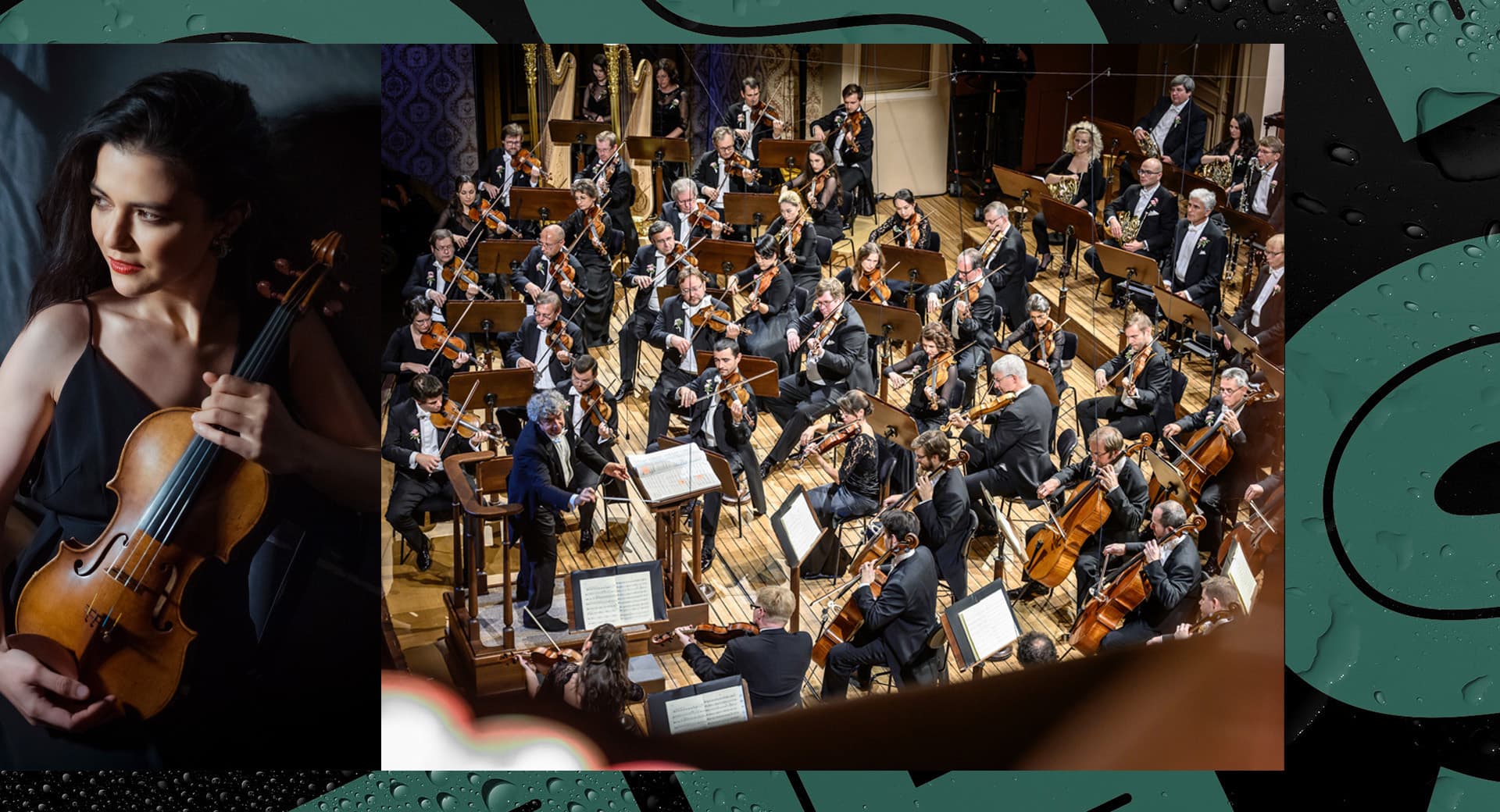 Date has passedAugust 25Passion and protestThe Czech Philharmonic visits the Baltic Sea Festival! Under its legendary Chief Conductor and Music Director Semyon Bychkov, Karen Gomyo, who due to illness is replacing Janine Jansen, performs Shostakovich’s first violin concerto, followed by Dvořák’s dramatic seventh symphony.Read more
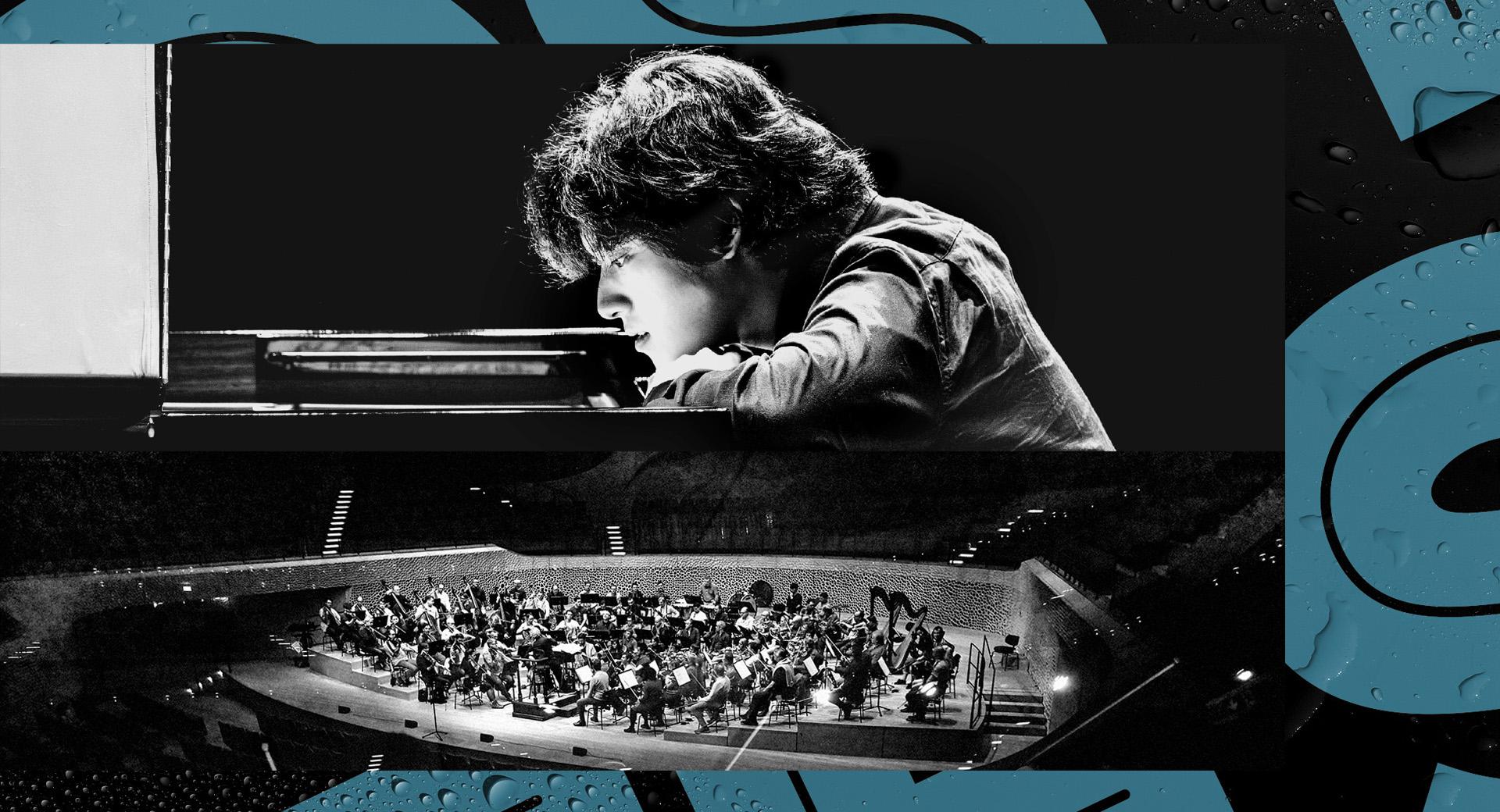 26 AugustDreams of freedomThe Czech Philharmonic returns under Chief Conductor and Music Director Semyon Bychkov, joined by internationally acclaimed pianist Yunchan Lim in his Swedish debut. Ravel’s Piano Concerto dazzles with jazzy, dreamlike colours, followed by Smetana’s Má Vlast, a majestic journey through Bohemia’s landscapes and spirit.Read more
 Few seats remaining27 August350 - 650 krBeyond baroqueDay four of the Baltic Sea Festival 2026 takes us beyond the boundaries of time. Countertenor Jakub Józef Orliński returns together with the baroque orchestra Il Pomo d’Oro for a program exploring the music of the early Baroque.Read more & tickets
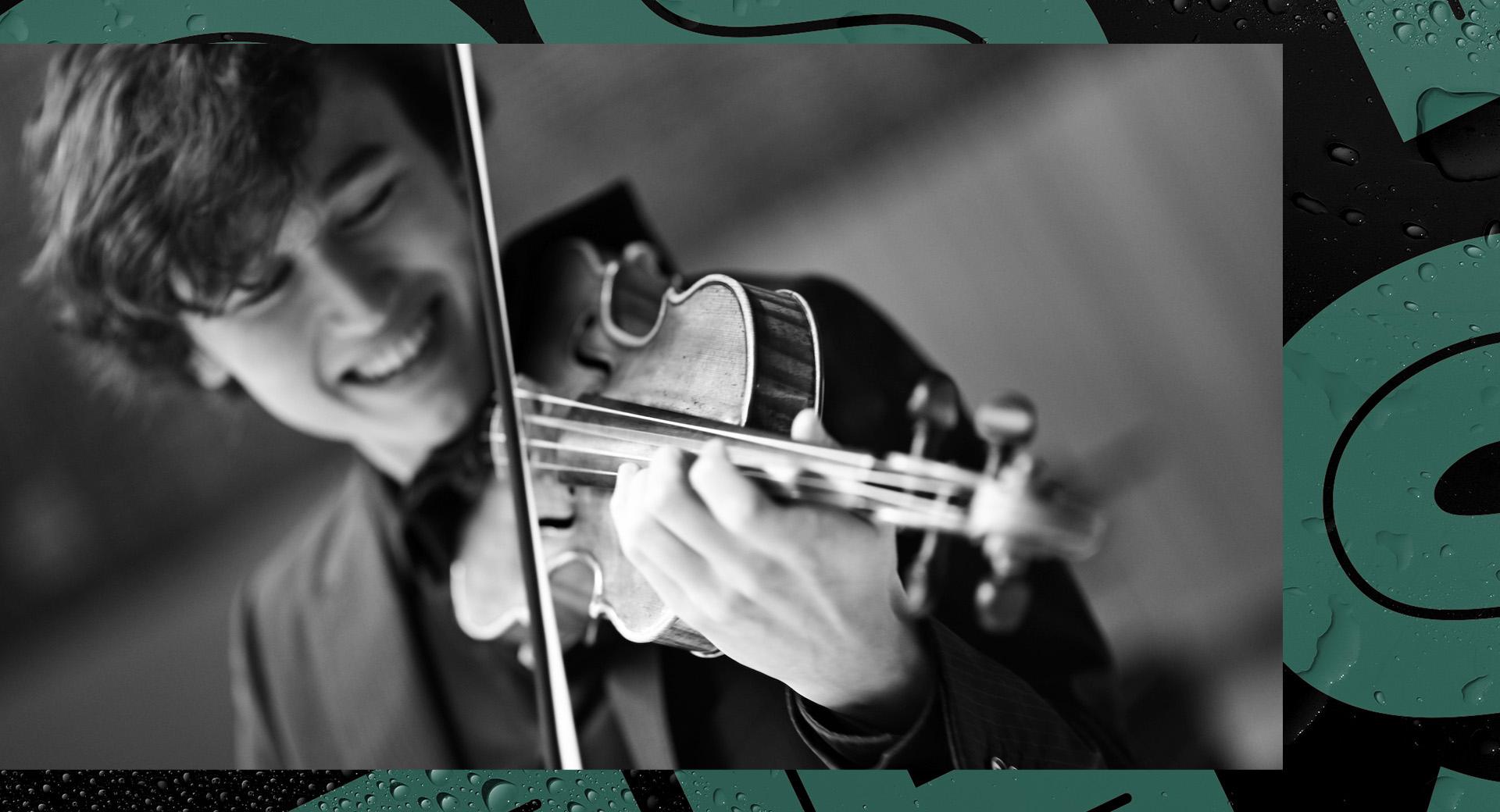 Date has passed22 AugustBack to Bach with LozakovichInternationally acclaimed violinist Daniel Lozakovich offers an exklusive concert in Storkyrkan featuring music by his great artistic beacon, Johann Sebastian Bach.Read more
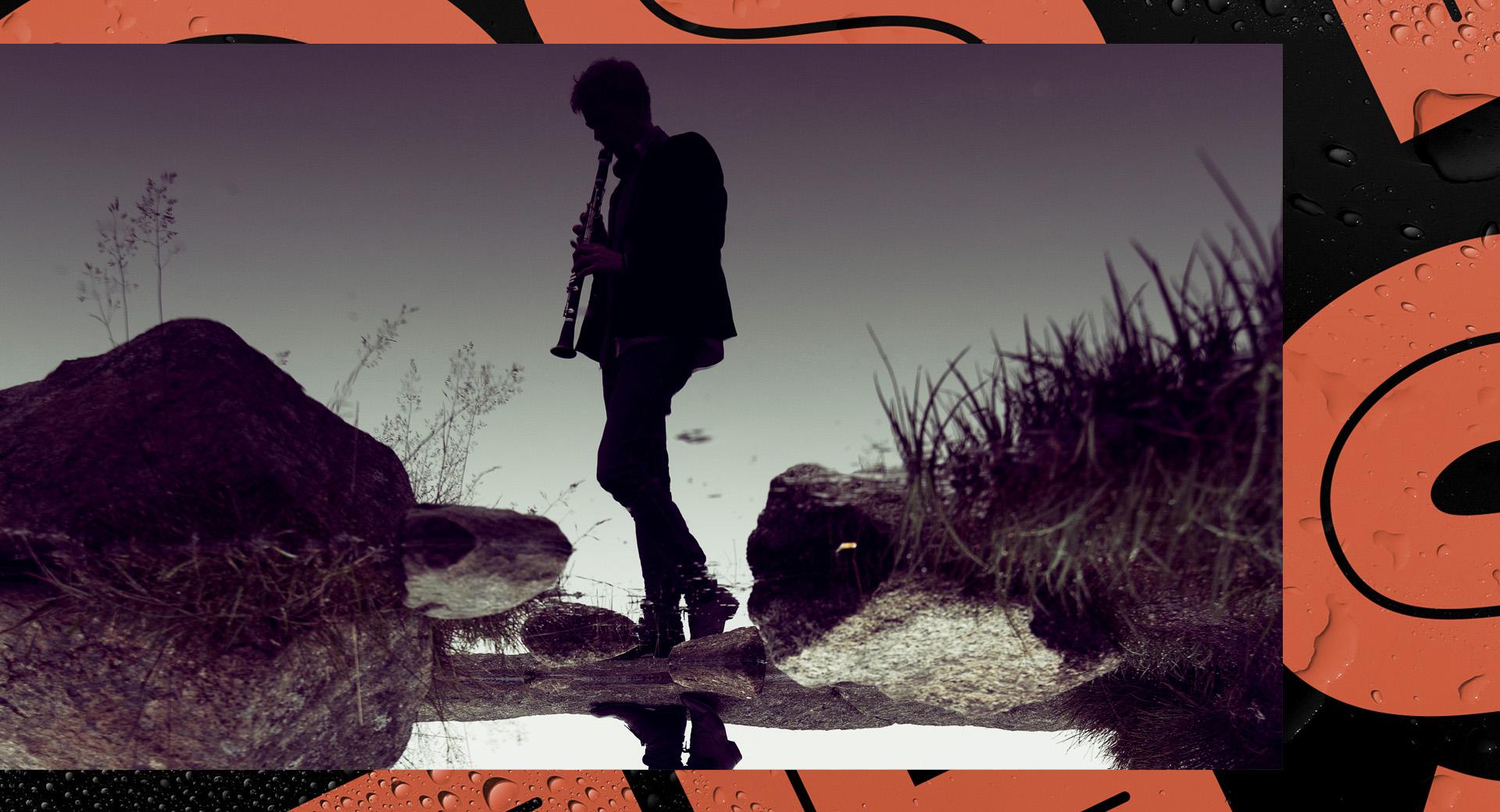 No tickets left28 August350 - 650 krBeethoven's DNAWhat lies at the core of Beethoven’s music – and where do its building blocks come from? Martin Fröst leads the Swedish Chamber Orchestra in a program where Jacob Mühlrad’s Helix meets Hans Ek’s DNA Suite, inspired by Bach, Rameau, and Handel. The evening culminates in Beethoven’s Symphony No. 7 – a work carrying this entire musical heritage in its DNA.Read more
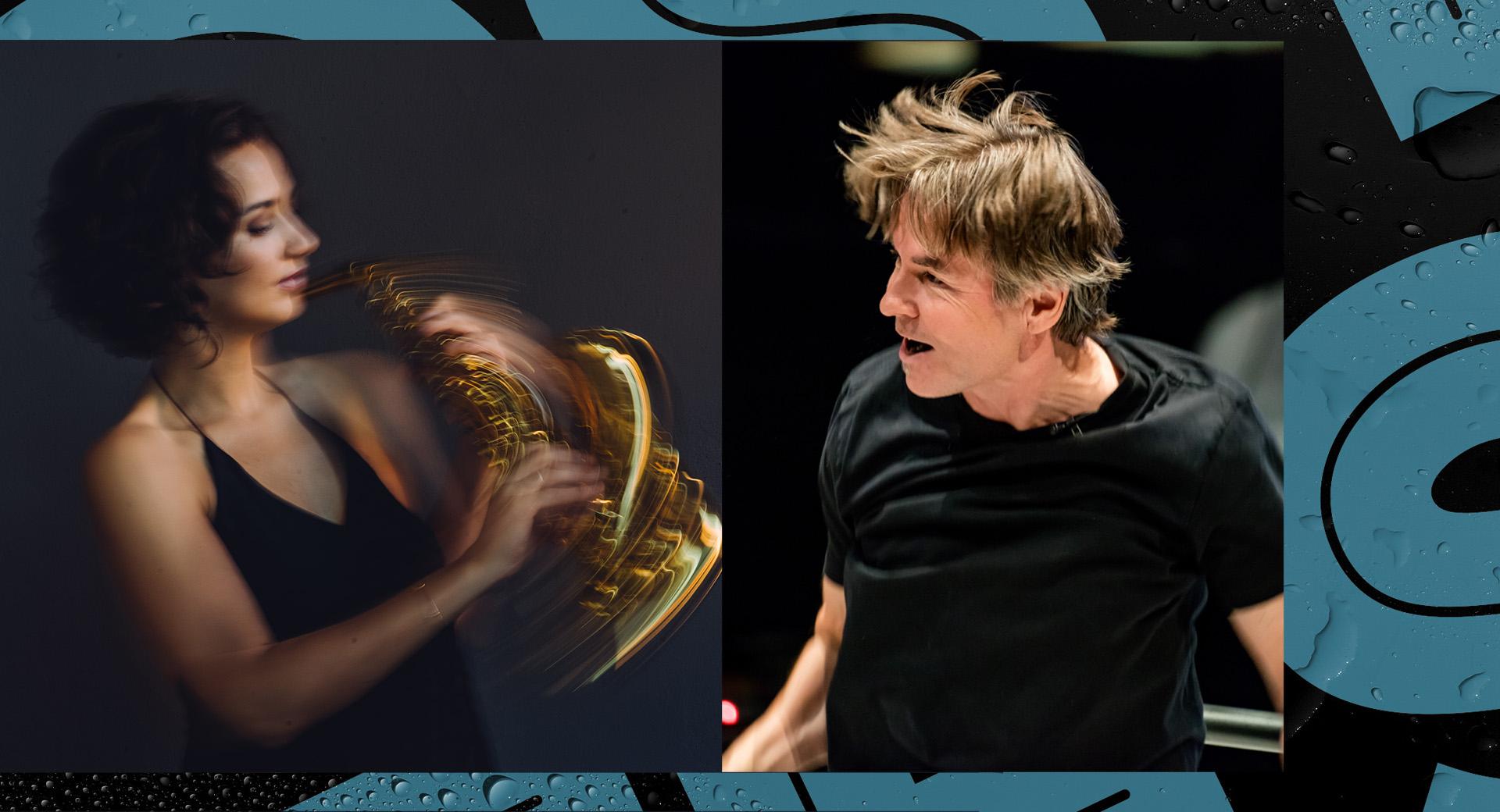 Few seats remaining29 August350 - 650 krFate & guiltThe Baltic Sea Festival’s grand finale invites you to an evening of drama and rich sonorities. Esa-Pekka Salonen conducts the Swedish Radio Symphony Orchestra together with soprano Aphrodite Patoulidou, baritone Peter Mattei, and saxophonist Asya Fateyeva. A closing night where contemporary sound meets Nordic legend in a powerful musical encounter.Read more & tickets
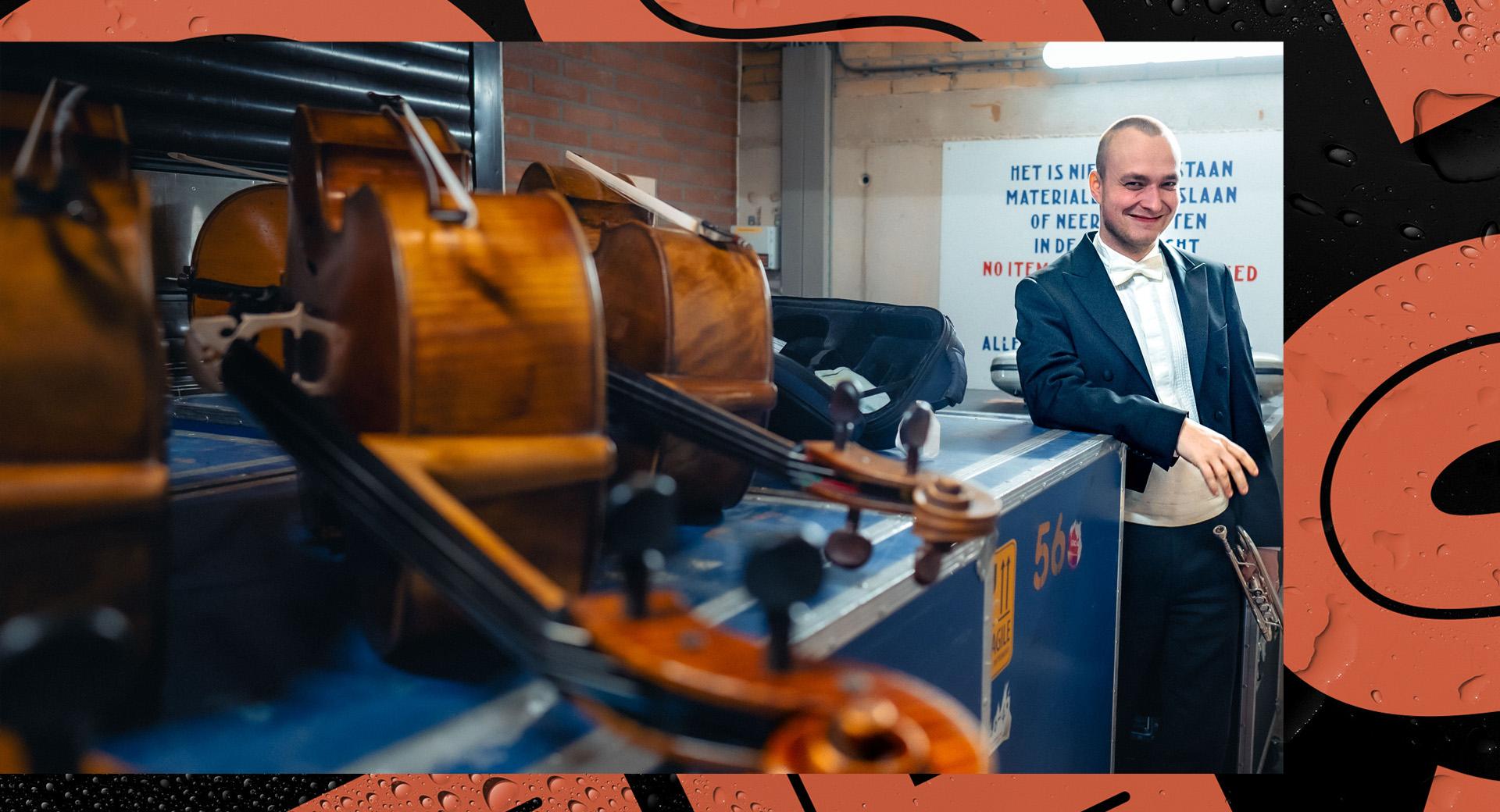 Few seats remaining27 August275 krBerwald’s septet and Dvořák’s Serenade for StringsMusicians from the Czech Philharmonic and the Swedish Radio Symphony Orchestra meet in the Queen Silvia Concert Hall to perform chamber music by Franz Berwald and Antonín Dvořák.Read more & tickets
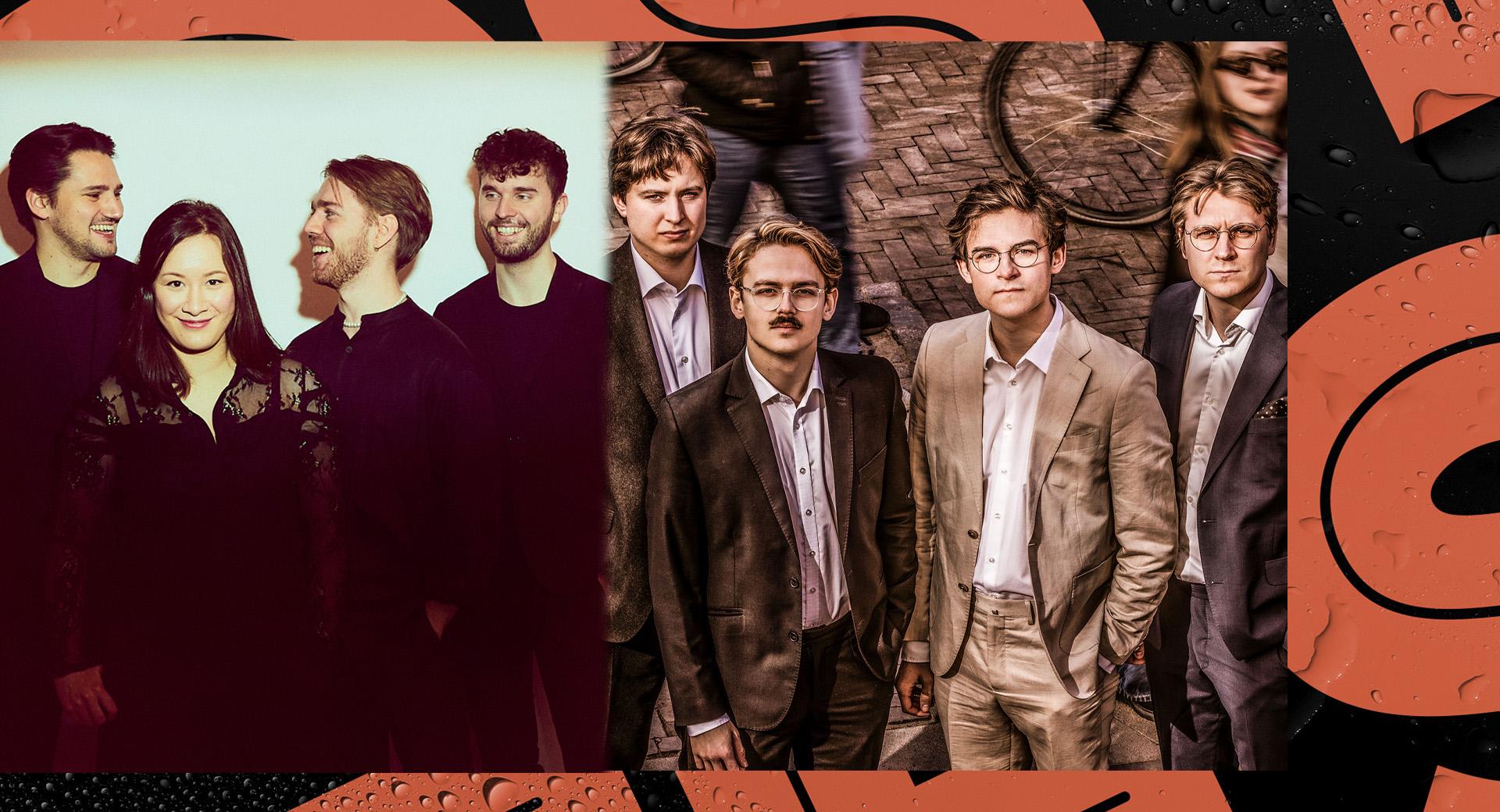 Few seats remaining29 August275 krOpus13 & Monbijou QuartetTwo of the most acclaimed string quartets of our time—Monbijou Quartet and Opus13—join forces in a programme that moves between contemporary sonic...Read more & tickets
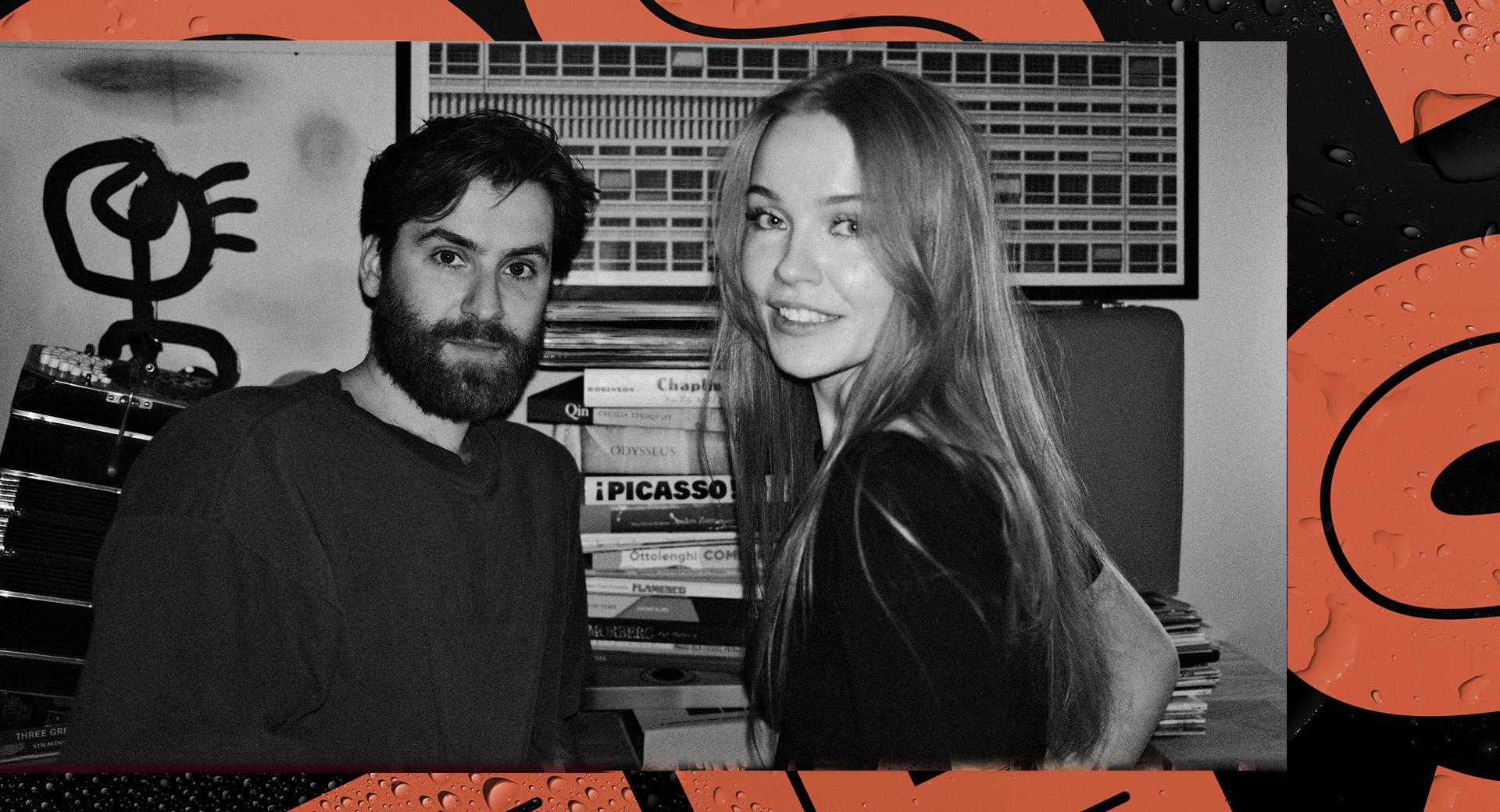 Date has passed23 AugustSchweitzer, Lyssarides & CoTrombonist and big band leader Tilde Schweitzer and multi-award-winning pianist Joel Lyssarides take the stage at Fasching together with 16 string musicians in a concert that grew out of their shared love of the orchestral jazz tradition.Read more
 No tickets left29 AugustFree - only signup is neededARTS LAB at the Finnish InstituteDo you want to hear what the concert halls of the future might sound like? During the Baltic Sea Festival, you can meet the participants of ARTS LAB – a project that brings together promising instrumentalists and composers from across the Baltic Sea region in a creative collaboration. ARTS LAB unites participants handpicked from the Voksenåsen Talent Program and Creative Dialogue, coached by internationally renowned mentors.Read more
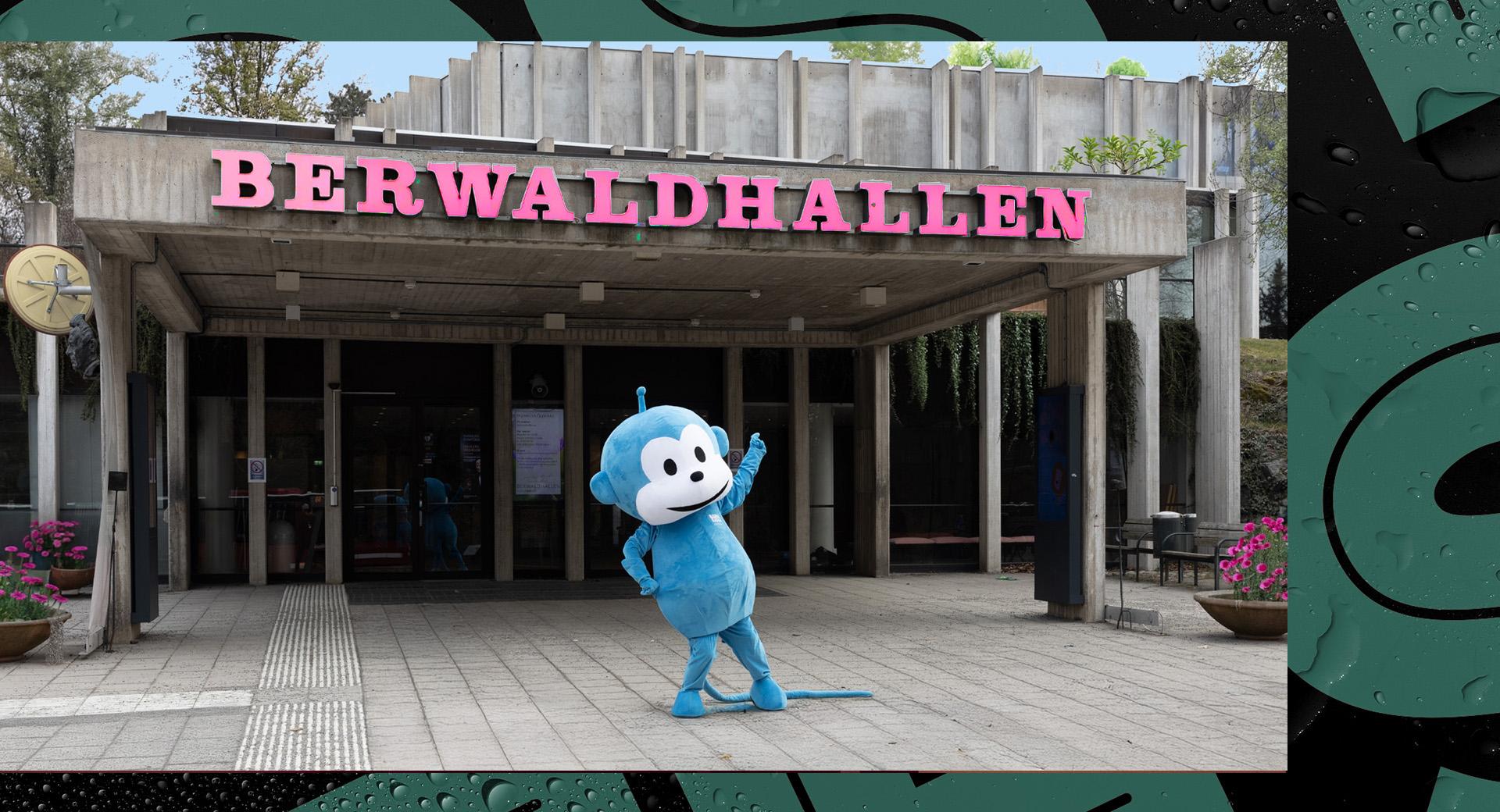 Date has passed22 AugustiFamily day and open houseJoin the Baltic Sea Festival's traditional family day for all ages!Read more