Opus13 & Monbijou Quartet
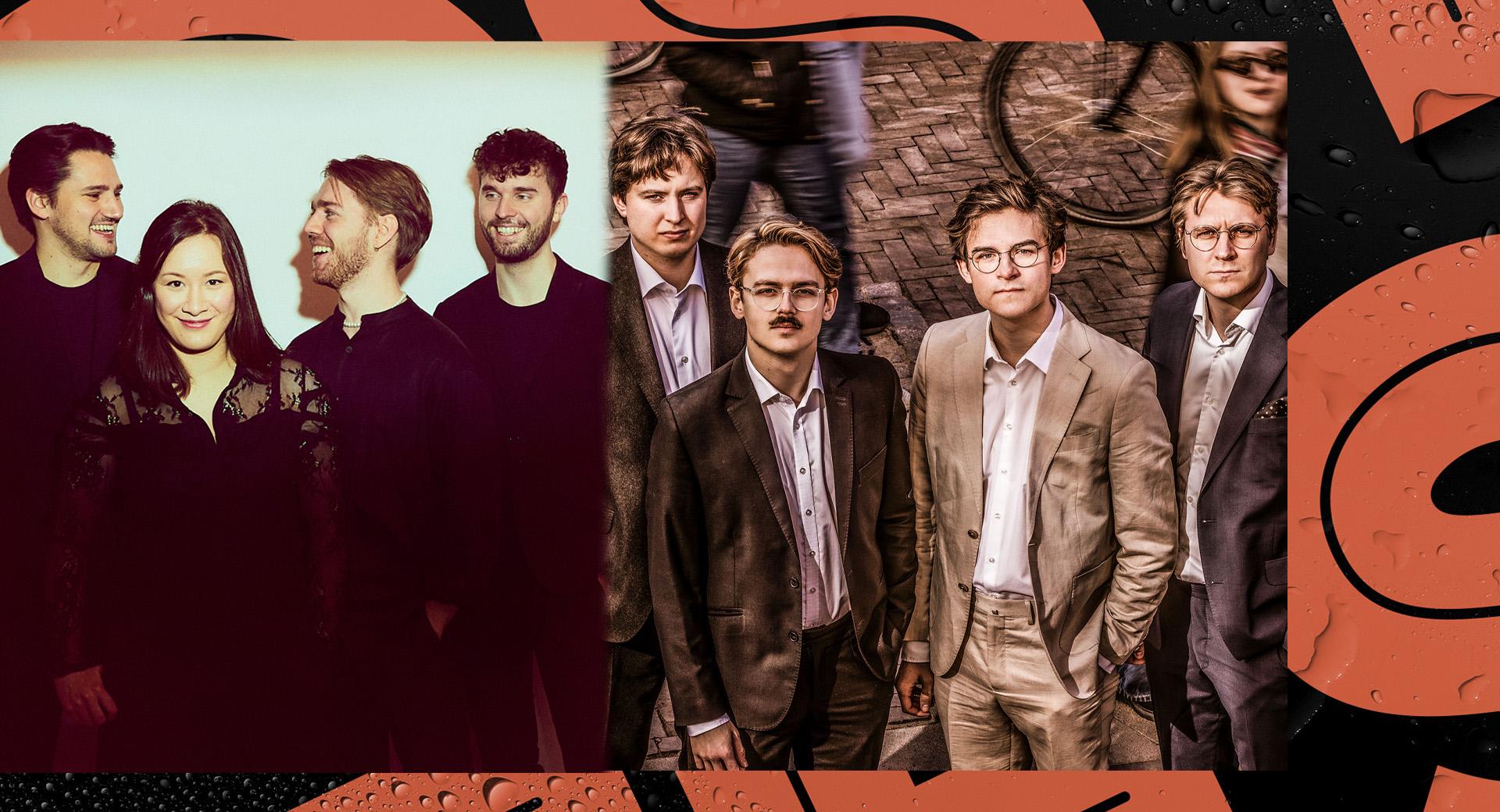
Two of the most acclaimed string quartets of our time—Monbijou Quartet and Opus13—join forces in a programme that moves between contemporary sonic imagination and the rich tradition of the classical string quartet. The concert opens with Monbijou performing Flyg! by Hanna Blomberg, a newly composed work written in memory of the composer’s vibrant grandmother. This is followed by Haydn’s String Quartet No. 5 in D major, Op. 76, sometimes referred to as the “Graveyard Quartet” on account of its slow second movement, often described as a mournfully beautiful lament and a farewell in sound. After the interval, Opus13 continues with Britta Byström’s Images from the Floating World, a chamber suite in which the music unfolds as a sequence of fleeting sound-images, inspired by an Icelandic saga. The programme concludes with Mendelssohn’s String Quartet No. 2 in A minor, an intense and expressive early work in which a recurring theme reappears in shifting guises throughout all four movements.
This production is part of one or more concert series.
Please note that the Stockholm Half Marathon will take place on this date between 3:30–6:45 PM. Although the course is not in direct proximity to Lilla Akademien/Queen Silvia's concert hall, traffic in the city will be significantly affected, so make sure to leave in good time.
The concert will be recorded and broadcast at a later date on Swedish Radio P2
Monbijou Interprets Blomberg and Haydn
Since its founding in 2022, the Monbijou Quartet has emerged as one of Scandinavia’s most promising young string quartets. The ensemble consists of Marcus Bäckerud, Alexander Hencz Chojecki, Oscar Edin, and Kristian Hencz Chojecki, all currently studying at the Royal Danish Academy of Music in Copenhagen.
The concert opens with Flyg! (Fly!) by Hanna Blomberg, written for the quartet and premiered as recently as this July. The work was inspired by the composer’s grandmother and by how, at the age of ninety-two, she let go of life despite her deep love for it and strong desire to remain. Musically, the piece draws on a traditional lullaby from Dalarna:
Fly over land and sea, fly west of the forests!
There the cranes trill, there the swallows soar.
There the midsummer weather is beautiful.
Blomberg’s piece is fittingly followed by Joseph Haydn’s String Quartet No. 5 in D major, Op. 76, sometimes known as the Friedhofsquartett (“Graveyard Quartet”). The nickname refers to the slow second movement, Largo, the work’s emotional core. Set in the unusual key of F-sharp major, it has often been described as a sorrowfully beautiful lament – a farewell in sound, painful yet dignified and consoling.
The quartet belongs to Haydn’s late and most inventive chamber music. From the very opening, expectations are subverted: instead of a clearly dramatic trajectory, we encounter a calm, songful theme that unfolds freely. After a playful minuet with unexpected rhythmic shifts, the work concludes with a virtuosic finale in which Haydn’s elegance, humour, and sense of form are fully on display.
Opus13 in Op. 13
After the interval, we meet the internationally acclaimed Opus13, named after the first work that the four musicians performed together in Oslo in 2014, and also the quartet that concludes this concert: Felix Mendelssohn’s String Quartet No. 2 in F minor, Op. 13. Opus13 consists of violinist Sonoko Miriam Welde and Edvard Erdal from Norway, violist Albin Uusijärvi – principal viola of the Swedish Radio Symphony Orchestra – and cellist Daniel Thorell.
Opus13 opens with Britta Byström’s Images from the Floating World, a chamber suite in which the music unfolds as a sequence of fleeting sonic images. The title refers to ukiyo-e – “pictures of the floating world” – the Japanese woodblock print tradition depicting everyday life, pleasures, beauty, and landscapes, which flourished from the 17th century onward. Through a mosaic-like structure, transparent textures, and a colour-oriented musical language, Byström creates a sound world where each movement emerges as a self-contained image within a shifting sonic landscape. The work is inspired by the Icelandic Njáls saga, whose restrained, episodic narrative contains powerful depictions of conflict, violence, and death. Similarly, Byström’s music at first appears light and fragile, but beneath the surface lie dissonances and fissures in the sonic fabric.
To close the concert, Opus13 performs Mendelssohn’s String Quartet in F minor. Composed in 1827 when Mendelssohn was just eighteen, the work reveals remarkable artistic maturity. It is also one of the earliest and most fully realised examples of cyclic form in chamber music, in which a motif from his own song Frage – with the words “Ist es wahr?” (“Is it true?”) – serves as a unifying thread, reappearing in varied forms throughout all four movements.
The first movement begins with a quiet Adaio before a dramatic Allegro bursts forth; here, the song motif is transformed into a tightly driven musical narrative. The slow second movement has a lyrical, almost vocal character, yet beneath the surface lie chromaticism and contrapuntal intensification that create tension and depth. The third movement, an intermezzo, carries traces of Mendelssohn’s characteristic, fairy-like lightness, while the finale unifies the work by recalling earlier motifs and ultimately bringing the music back to its beginning.
Text: Bodil Hasselgren
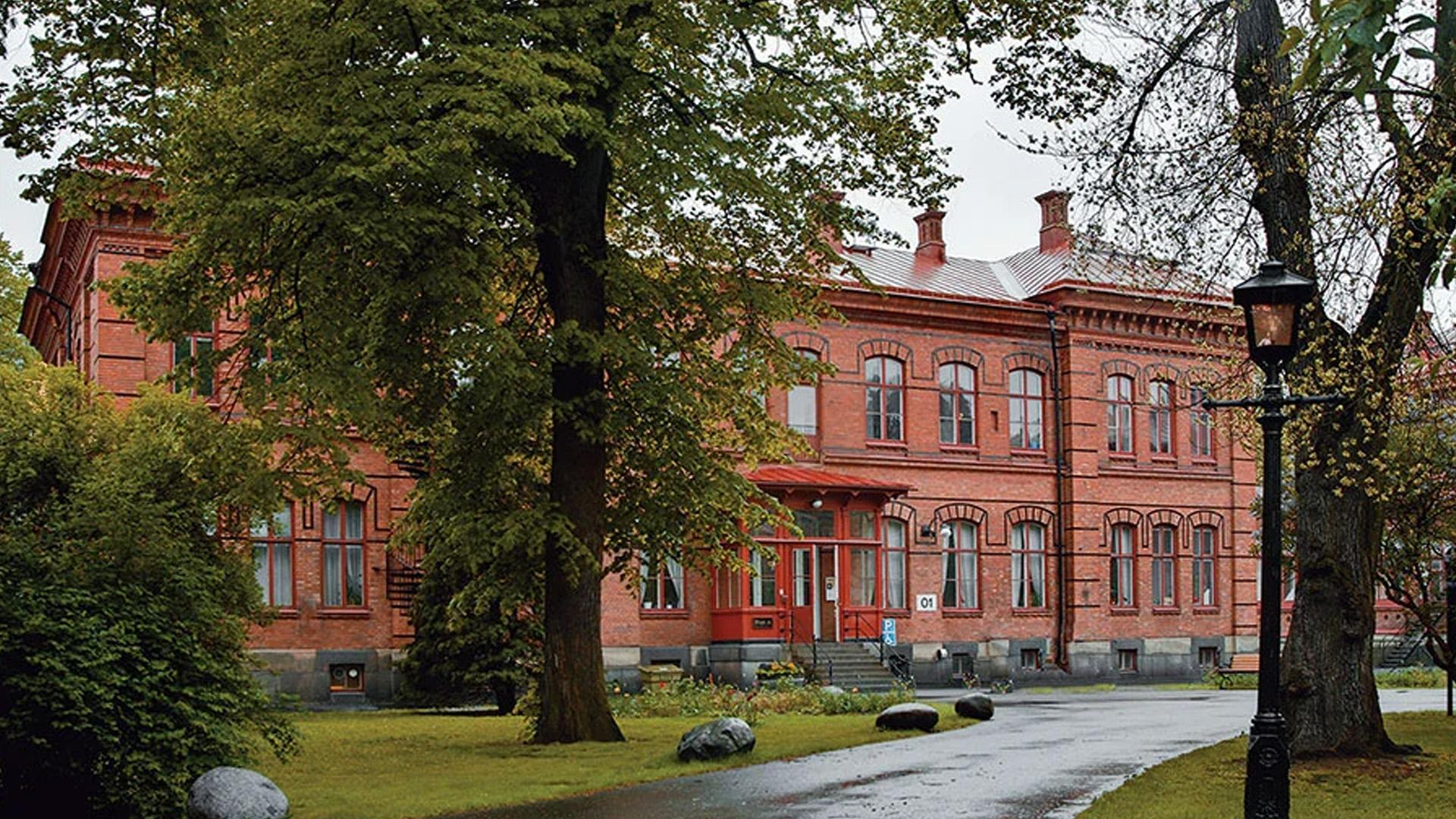
Get to Queen Silvia's Concert Hall
Queen Silvia's Concert Hall is located in Lilla Akademien, at Nortullsgatan 14, about 10 minutes walk from Odenplan or 4 minutes from bus stop Norrtullsgatan with bus no 2.
Doors open 30 min before the concert starts.
Ticket purchase
Opus13 & Monbijou Quartet
29 August
- Buy tickets
29 August 2026 ● saturday 15:00
Few seats remaining
Read more about this year's festival
The Baltic Sea Festival returns to Stockholm from 21–29 August 2026, filling the city with music that spans the intimate to the monumental. You can look forward to a rich mix of orchestral concerts, chamber music, choral works, jazz explorations, contemporary premieres, and boundary-crossing collaborations.
Baltic Sea Festival 2026
 Date has passed21 AugustRythm and ritualThe Baltic Sea Festival 2026 opens with premieres and pulse! Andres Orozco-Estrada debuts as Chief Conductor, Hillborg’s Hell Mountain has its Swedish premiere, and Molly Kien’s new work receives its world premiere. Soprano Malin Byström sparkles in Alma Mahler’s songs before the evening culminates in Stravinsky’s iconic The Rite of Spring.Read more
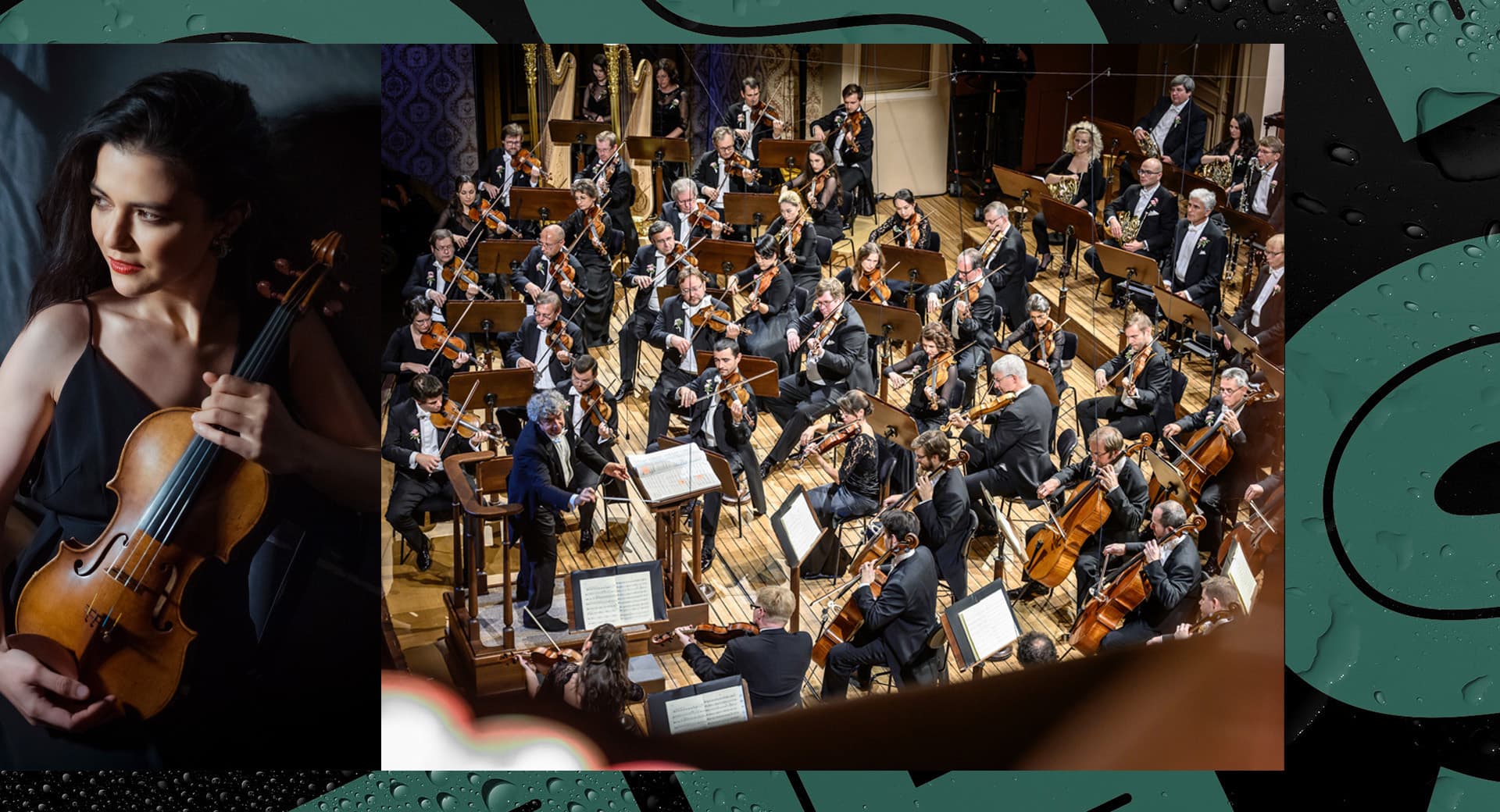 Date has passedAugust 25Passion and protestThe Czech Philharmonic visits the Baltic Sea Festival! Under its legendary Chief Conductor and Music Director Semyon Bychkov, Karen Gomyo, who due to illness is replacing Janine Jansen, performs Shostakovich’s first violin concerto, followed by Dvořák’s dramatic seventh symphony.Read more
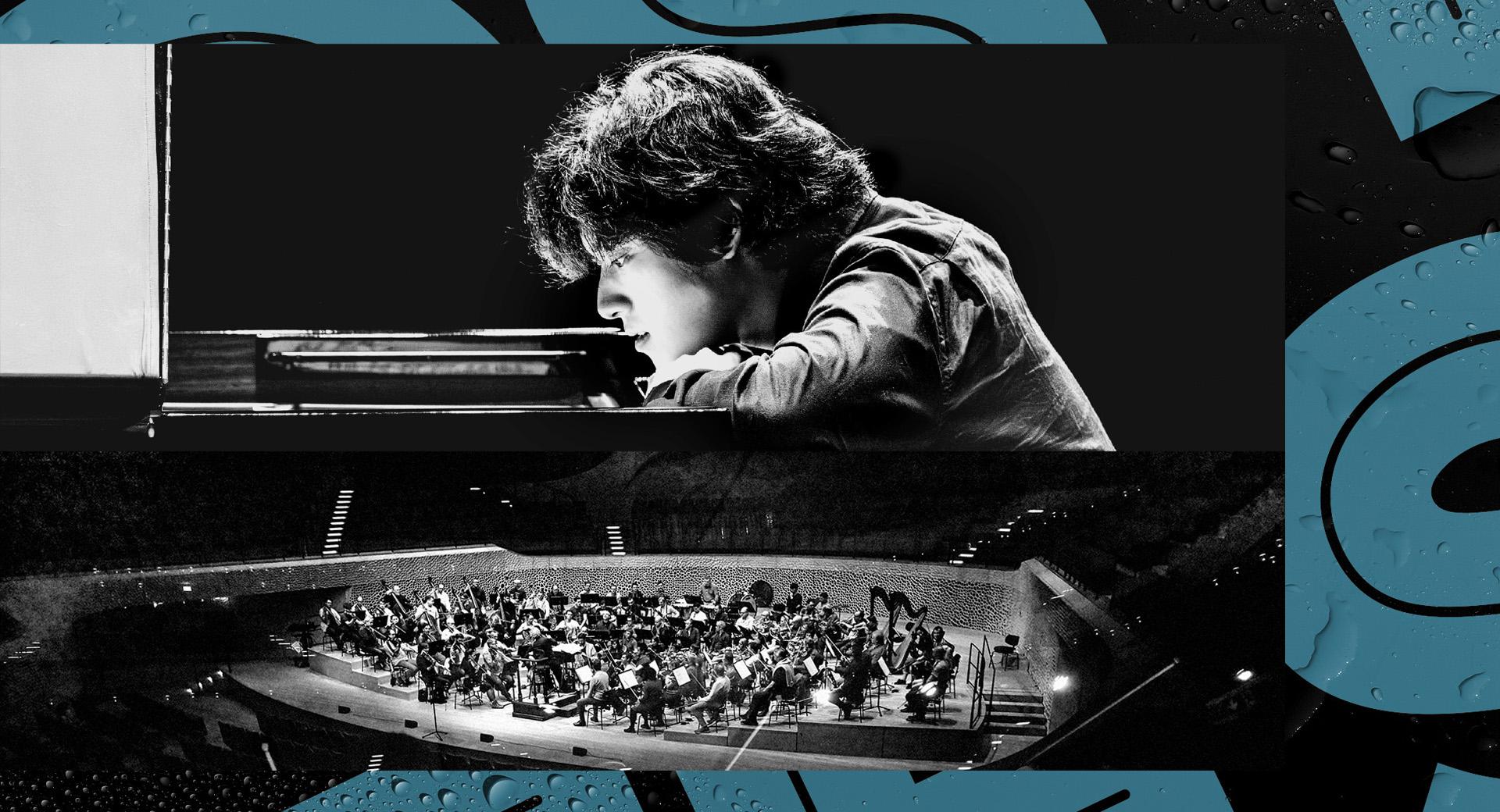 26 AugustDreams of freedomThe Czech Philharmonic returns under Chief Conductor and Music Director Semyon Bychkov, joined by internationally acclaimed pianist Yunchan Lim in his Swedish debut. Ravel’s Piano Concerto dazzles with jazzy, dreamlike colours, followed by Smetana’s Má Vlast, a majestic journey through Bohemia’s landscapes and spirit.Read more
 Few seats remaining27 August350 - 650 krBeyond baroqueDay four of the Baltic Sea Festival 2026 takes us beyond the boundaries of time. Countertenor Jakub Józef Orliński returns together with the baroque orchestra Il Pomo d’Oro for a program exploring the music of the early Baroque.Read more & tickets
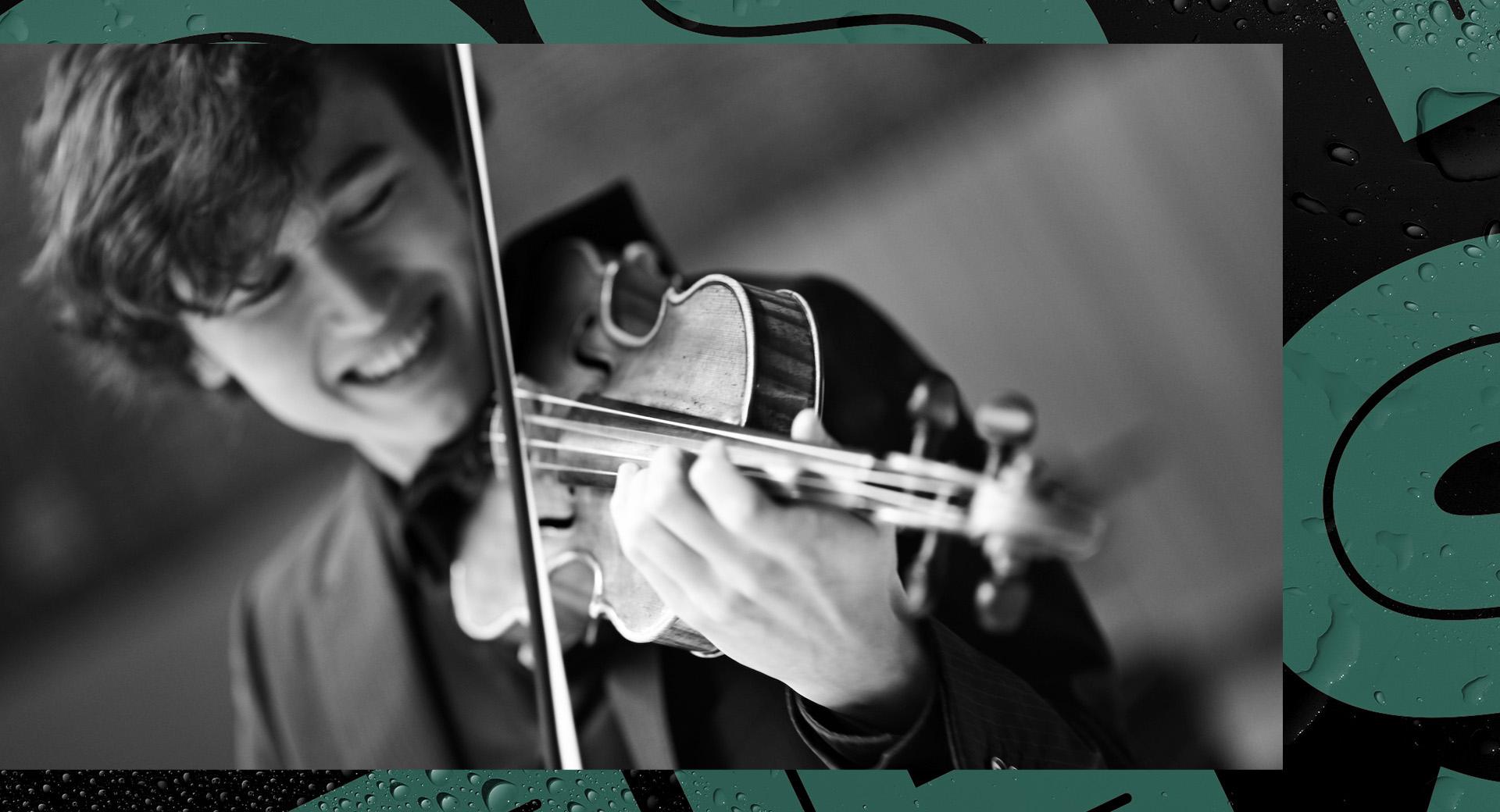 Date has passed22 AugustBack to Bach with LozakovichInternationally acclaimed violinist Daniel Lozakovich offers an exklusive concert in Storkyrkan featuring music by his great artistic beacon, Johann Sebastian Bach.Read more
 No tickets left28 August350 - 650 krBeethoven's DNAWhat lies at the core of Beethoven’s music – and where do its building blocks come from? Martin Fröst leads the Swedish Chamber Orchestra in a program where Jacob Mühlrad’s Helix meets Hans Ek’s DNA Suite, inspired by Bach, Rameau, and Handel. The evening culminates in Beethoven’s Symphony No. 7 – a work carrying this entire musical heritage in its DNA.Read more
 No tickets leftAugust 28275 krLate Night Concert with the Swedish Radio ChoirAs the summer evening drifts into night, the Swedish Radio Choir takes over Nordiska museet with an atmosphere‑laden programme moving between ancient spirituality and contemporary sonic brilliance. ogether with violist Ami‑Louise Johnsson, we encounter everything from Bach’s introspective Baroque lines and Ligeti’s hypnotic solo viola to the deeply meditative choral music of Tavener and McDowall.Read more
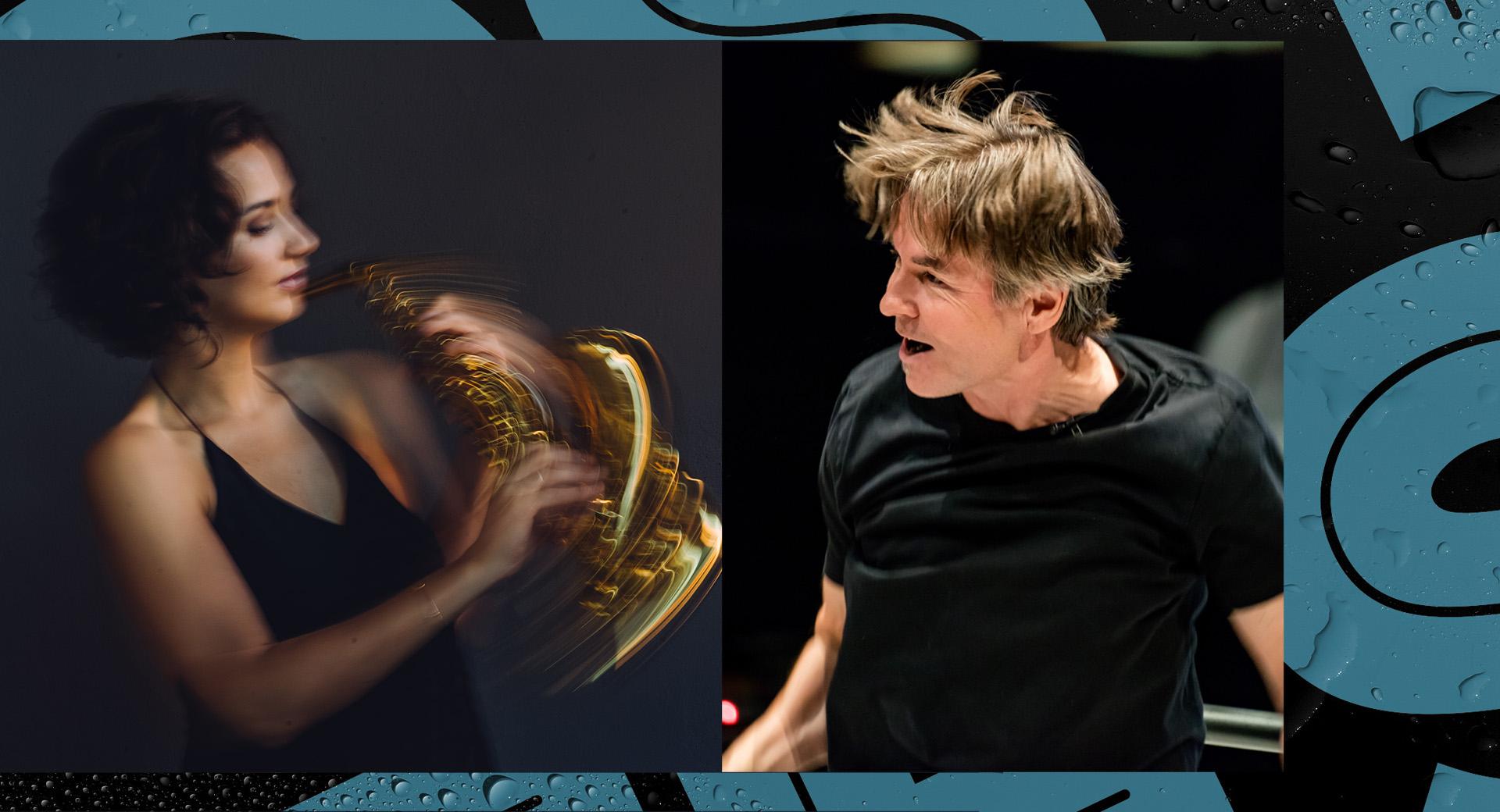 Few seats remaining29 August350 - 650 krFate & guiltThe Baltic Sea Festival’s grand finale invites you to an evening of drama and rich sonorities. Esa-Pekka Salonen conducts the Swedish Radio Symphony Orchestra together with soprano Aphrodite Patoulidou, baritone Peter Mattei, and saxophonist Asya Fateyeva. A closing night where contemporary sound meets Nordic legend in a powerful musical encounter.Read more & tickets
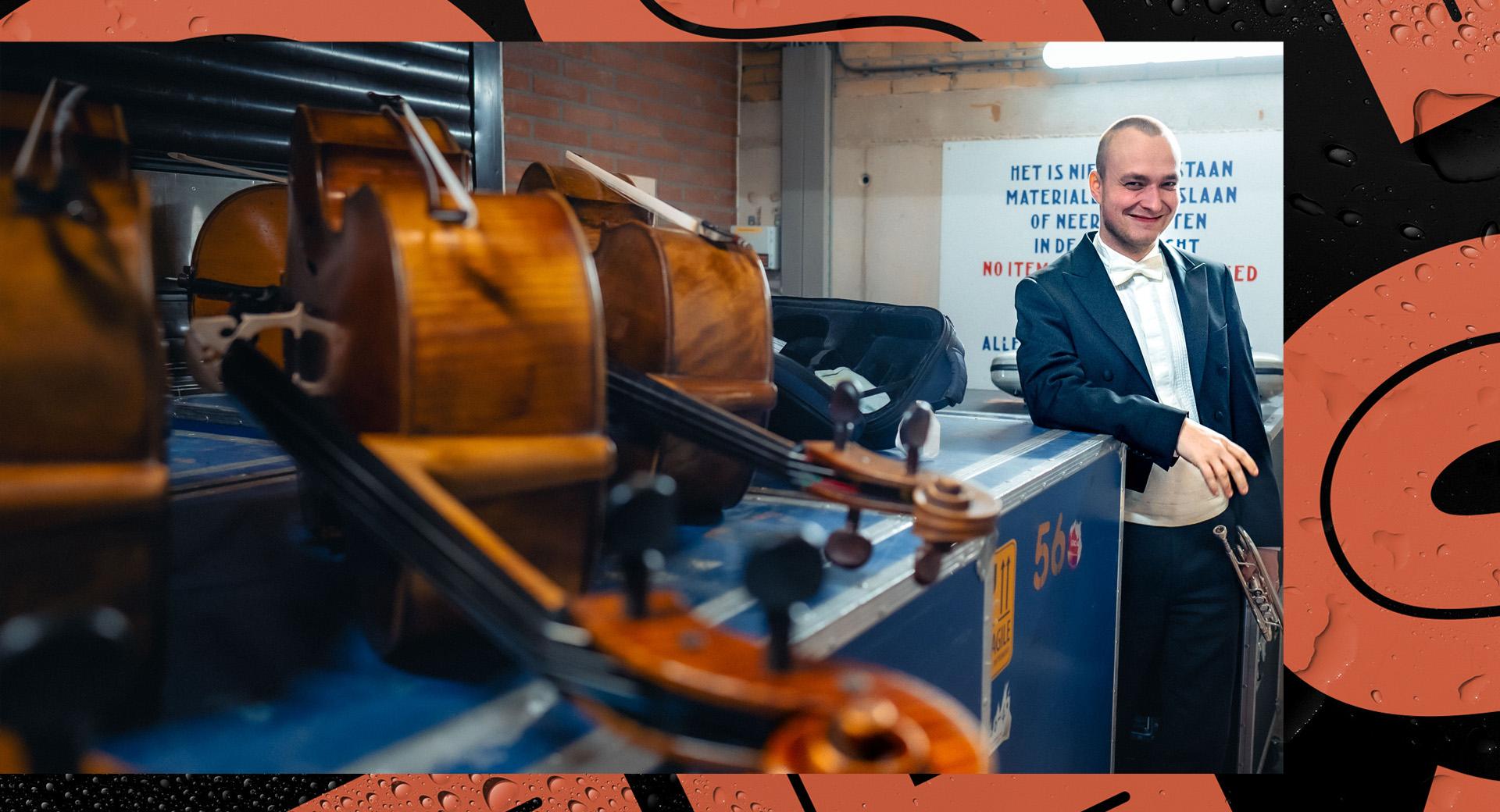 Few seats remaining27 August275 krBerwald’s septet and Dvořák’s Serenade for StringsMusicians from the Czech Philharmonic and the Swedish Radio Symphony Orchestra meet in the Queen Silvia Concert Hall to perform chamber music by Franz Berwald and Antonín Dvořák.Read more & tickets
 Date has passed23 AugustSchweitzer, Lyssarides & CoTrombonist and big band leader Tilde Schweitzer and multi-award-winning pianist Joel Lyssarides take the stage at Fasching together with 16 string musicians in a concert that grew out of their shared love of the orchestral jazz tradition.Read more
 No tickets left29 AugustFree - only signup is neededARTS LAB at the Finnish InstituteDo you want to hear what the concert halls of the future might sound like? During the Baltic Sea Festival, you can meet the participants of ARTS LAB – a project that brings together promising instrumentalists and composers from across the Baltic Sea region in a creative collaboration. ARTS LAB unites participants handpicked from the Voksenåsen Talent Program and Creative Dialogue, coached by internationally renowned mentors.Read more
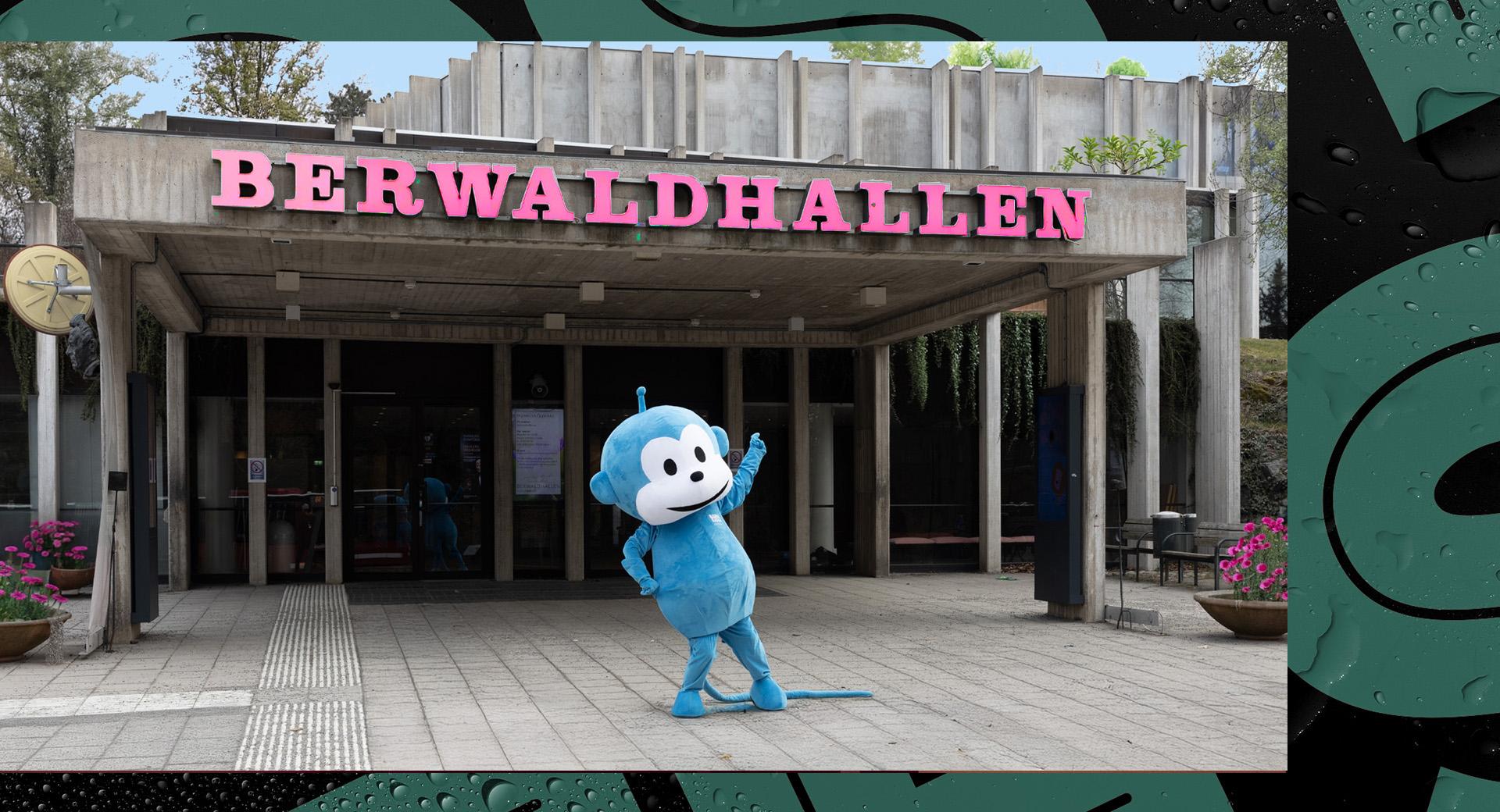 Date has passed22 AugustiFamily day and open houseJoin the Baltic Sea Festival's traditional family day for all ages!Read more