Beethoven's DNA
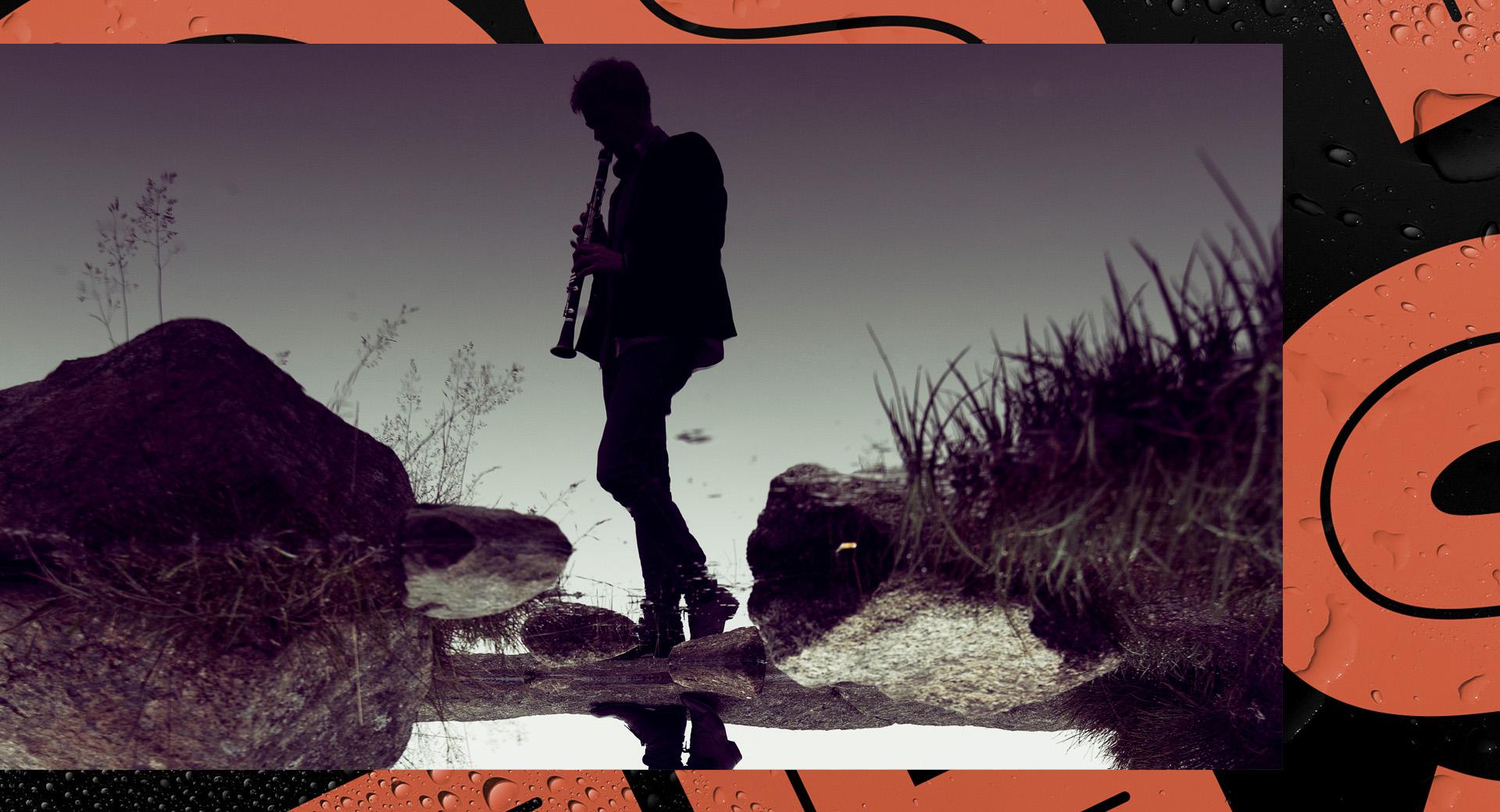
What lies at the core of Beethoven’s music – and where do its building blocks come from? This concert seeks the answer by tracing the roots back to the masters of the Baroque and forward to our own time. Martin Fröst leads the Swedish Chamber Orchestra in a program where Jacob Mühlrad’s Helix meets Hans Ek’s DNA Suite, inspired by Bach, Rameau, and Handel. The evening culminates in Beethoven’s Symphony No. 7 – a work carrying this entire musical heritage in its DNA.
This production is part of one or more concert series.
The concert is broadcast live on P2.
How the small can shape the large forms is the starting point when the Swedish Chamber Orchestra, under the direction of its Chief Conductor Martin Fröst, who is also soloist and guide, appears at the Baltic Sea Festival. In this case, the “small” refers to the rhythmic and melodic building blocks – the DNA – on which Ludwig van Beethoven’s Seventh Symphony is built. But the concert is also an exploration of the historical roots of dance music through Beethoven’s work, newly written works by Jacob Mühlrad, Göran and Martin Fröst, and new arrangements by Hans Ek.
The origins of dance, from baroque to the present day
The concert opens the improvisational piece Cradle Song, by and with Martin Fröst which is then followed by Jacob Mühlrad’s newly composed work Helix, receiving its premiere with Fröst and the Swedish Chamber Orchestra earlier in August at the iconic BBC Proms in the Royal Albert Hall. Like the other compositions in the programme, the piece is the result of a search for an origin or musical core, which Mühlrad approaches through Indian raga and Jewish klezmer – traditions rooted in centuries of spiritual dance music.
This is followed by Hans Ek’s suite Dance Now Always, an arrangement that blends dance-inspired works by some of the composers who influenced Beethoven: Bach, Handel and Rameau. Here we encounter several interpretations of the lively Baroque dances gigue and rondeau, which became popular as concluding movements in suites, as well as the more contemplative adagio from Handel’s Italian youthful work Dixit Dominus.
Next come Göran and Martin Fröst’s Nomadic Dances, a playful, energetic and rhythmically driven work for clarinet and orchestra that evokes a journey on the Orient Express. The music blends elements from various nomadic cultures, folk music and dance rhythms, with great improvisational freedom and a strong pulse.
Beethoven’s Seventh – the ecstasy of dance
After the intermission comes Beethoven’s Symphony No. 7, a work that Wagner described as “the apotheosis of dance” (the ultimate expression of dance). It was composed during a period of both financial and physical hardship for Beethoven, in an era marked by political and revolutionary upheaval. Yet there is little darkness or heaviness here; on the contrary, the symphony is characterised by light, spaciousness and an overarching dance-like pulse. Perhaps the composer’s summer stay at the Bohemian spa town of Teplitz renewed both his spirits and his creativity.
Beethoven opens the symphony with a slow, expectant introduction. As the tempo gathers momentum, a dotted, dance-like rhythm emerges – a pulsing motif that drives the movement forward and becomes the seed for much that follows throughout the symphony.
The second movement can be perceived as a pavane, a restrained “walking dance” with roots in the Renaissance. Here the expression is more subdued than in the first movement, and a melancholic melody is carried by the viola and cello. Its sombre character has led many to interpret the music as a funeral march, or even as an expression of world-weariness in Beethoven. His tendency to take the tempo indication allegretto (“a little lively”) closer to a slow adagio has surely contributed to this impression. The movement is likely one of his most famous, and it was already popular during his lifetime: it is said that at the premiere in Vienna on 8 December 1813, the audience asked for it to be immediately repeated.
The third movement, fast and scherzo-like, is charged with rhythmic energy and swirling vitality, full of grace notes and trills. The trio sections take on an almost folk-song-like character, before the ecstatic and grand fourth movement propels the symphony toward its powerful conclusion. In several works from this period, Beethoven alludes to – or directly quotes – French Revolutionary music, a tradition well known at the time but now largely forgotten. Towards the end of the finale, there is a reference to the divertissement Le Triomphe de la république (1793) by the influential Parisian composer François-Joseph Gossec (1734–1829).
As the programme ultimately moves toward its conclusion, it is as if the music steps out of history and into the present. The pulse remains the same, the movement just as infectious. What began as small building blocks – rhythms, motifs, fragments – has grown into a whole that makes it impossible to sit still. It is dance, in its most timeless form.
Text: Bodil Hasselgren
Ticket purchase
Beethoven's DNA
28 August
- Buy tickets
28 August 2026 ● friday 19:00
Few seats remaining
Read more about this year's festival
The Baltic Sea Festival returns to Stockholm from 21–29 August 2026, filling the city with music that spans the intimate to the monumental. You can look forward to a rich mix of orchestral concerts, chamber music, choral works, jazz explorations, contemporary premieres, and boundary-crossing collaborations.
Baltic Sea Festival 2026
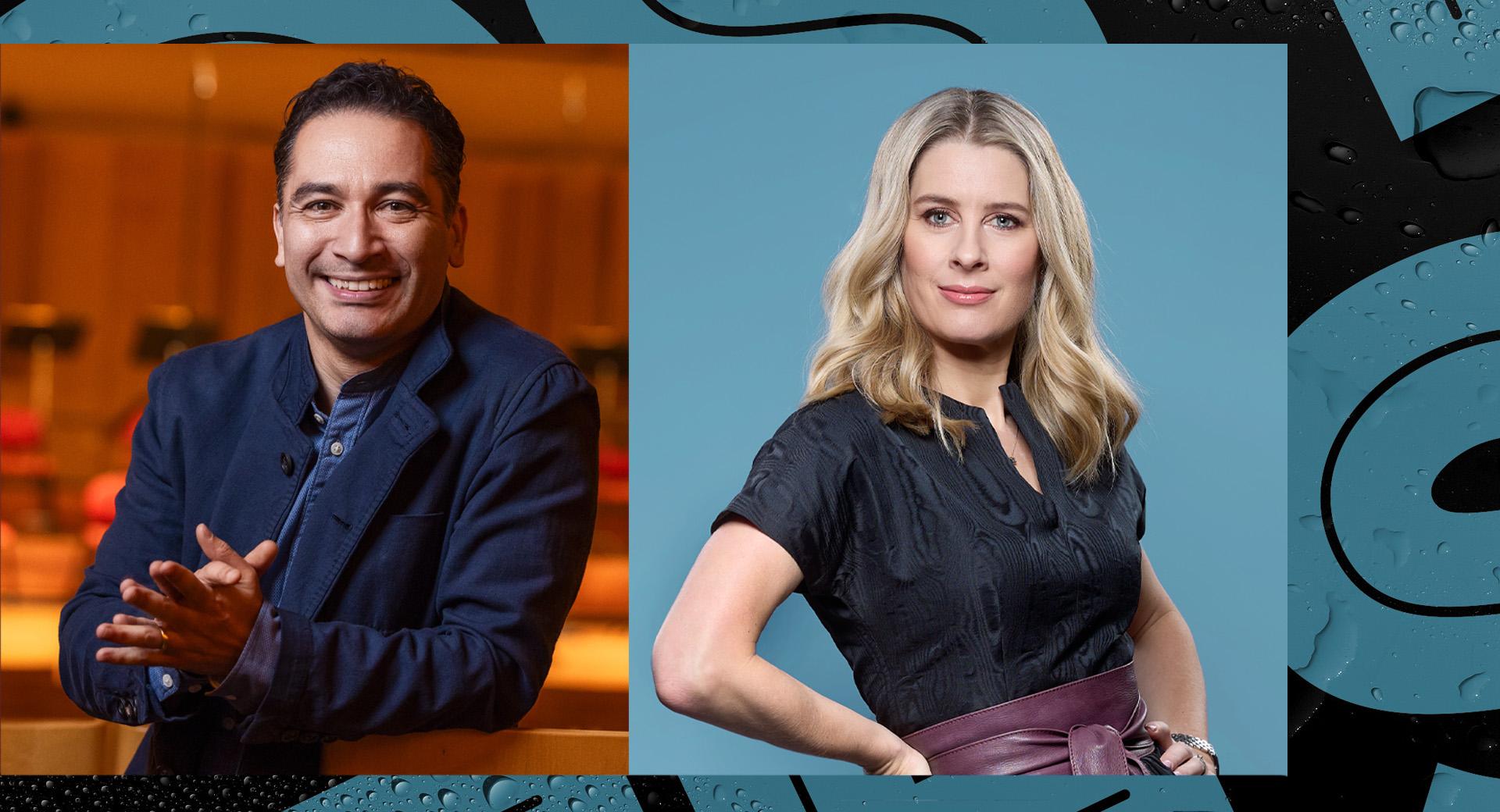 Date has passed21 AugustRythm and ritualThe Baltic Sea Festival 2026 opens with premieres and pulse! Andres Orozco-Estrada debuts as Chief Conductor, Hillborg’s Hell Mountain has its Swedish premiere, and Molly Kien’s new work receives its world premiere. Soprano Malin Byström sparkles in Alma Mahler’s songs before the evening culminates in Stravinsky’s iconic The Rite of Spring.Read more
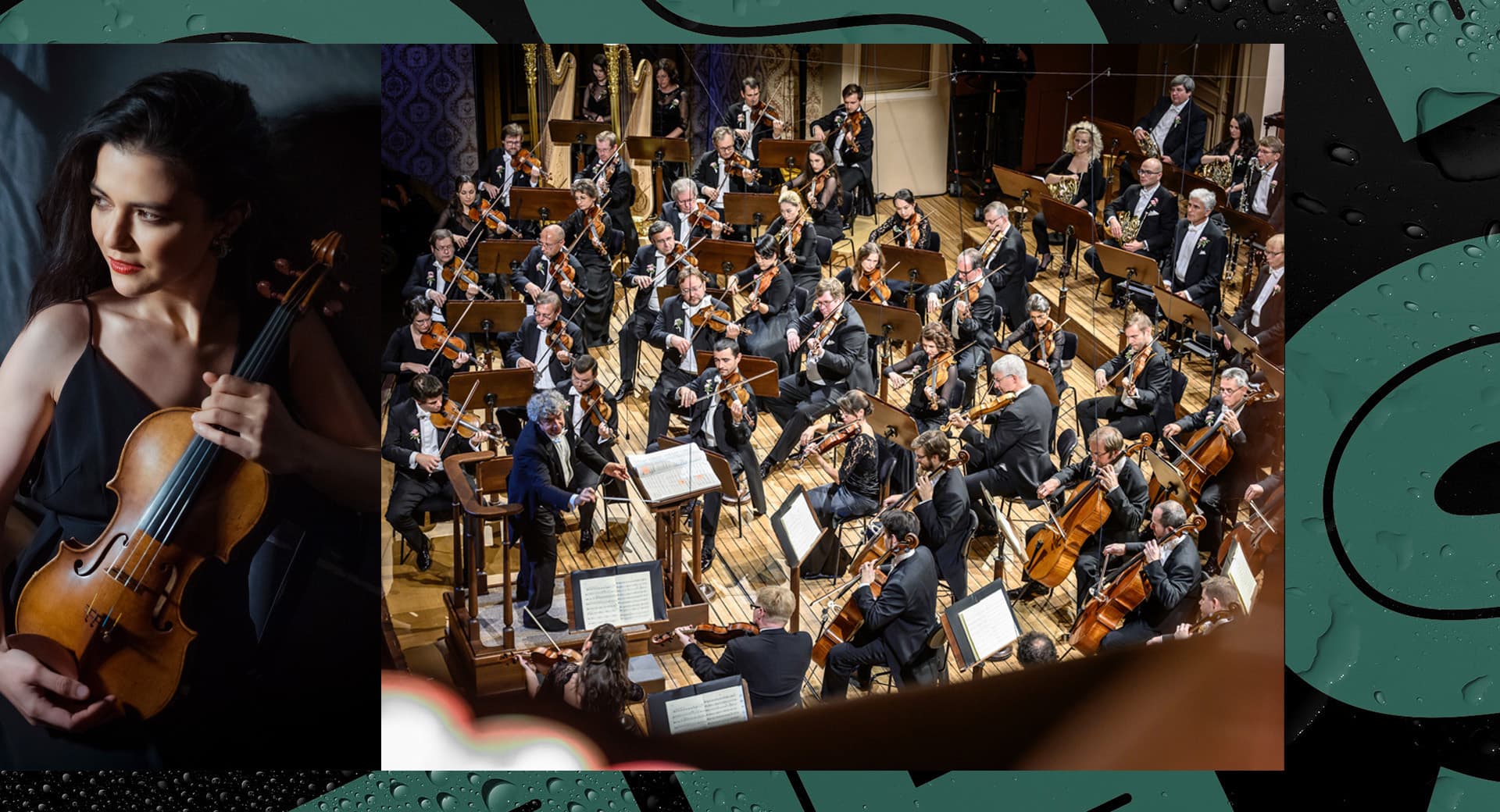 Date has passedAugust 25Passion and protestThe Czech Philharmonic visits the Baltic Sea Festival! Under its legendary Chief Conductor and Music Director Semyon Bychkov, Karen Gomyo, who due to illness is replacing Janine Jansen, performs Shostakovich’s first violin concerto, followed by Dvořák’s dramatic seventh symphony.Read more
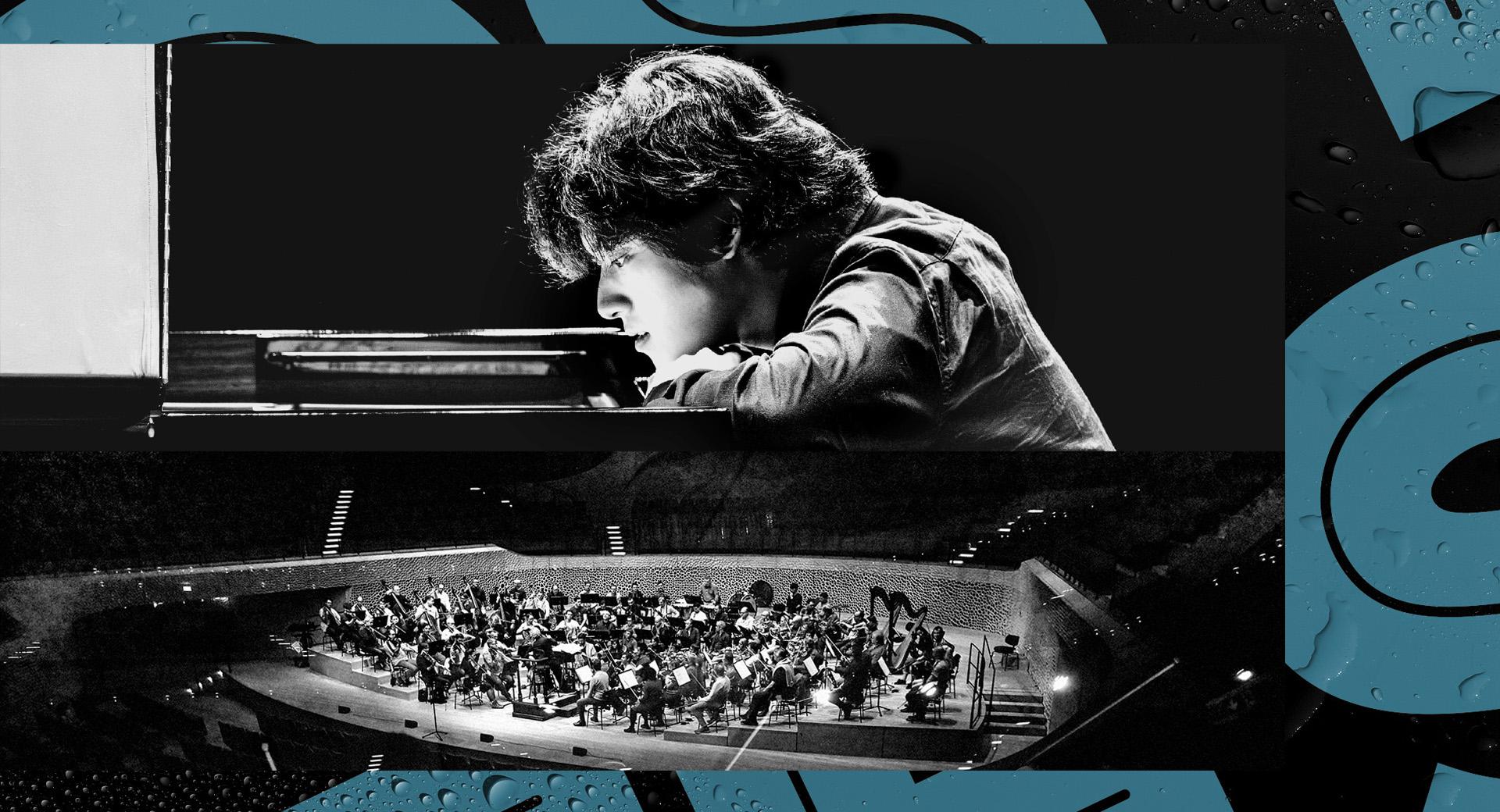 26 AugustDreams of freedomThe Czech Philharmonic returns under Chief Conductor and Music Director Semyon Bychkov, joined by internationally acclaimed pianist Yunchan Lim in his Swedish debut. Ravel’s Piano Concerto dazzles with jazzy, dreamlike colours, followed by Smetana’s Má Vlast, a majestic journey through Bohemia’s landscapes and spirit.Read more
 Few seats remaining27 August350 - 650 krBeyond baroqueDay four of the Baltic Sea Festival 2026 takes us beyond the boundaries of time. Countertenor Jakub Józef Orliński returns together with the baroque orchestra Il Pomo d’Oro for a program exploring the music of the early Baroque.Read more & tickets
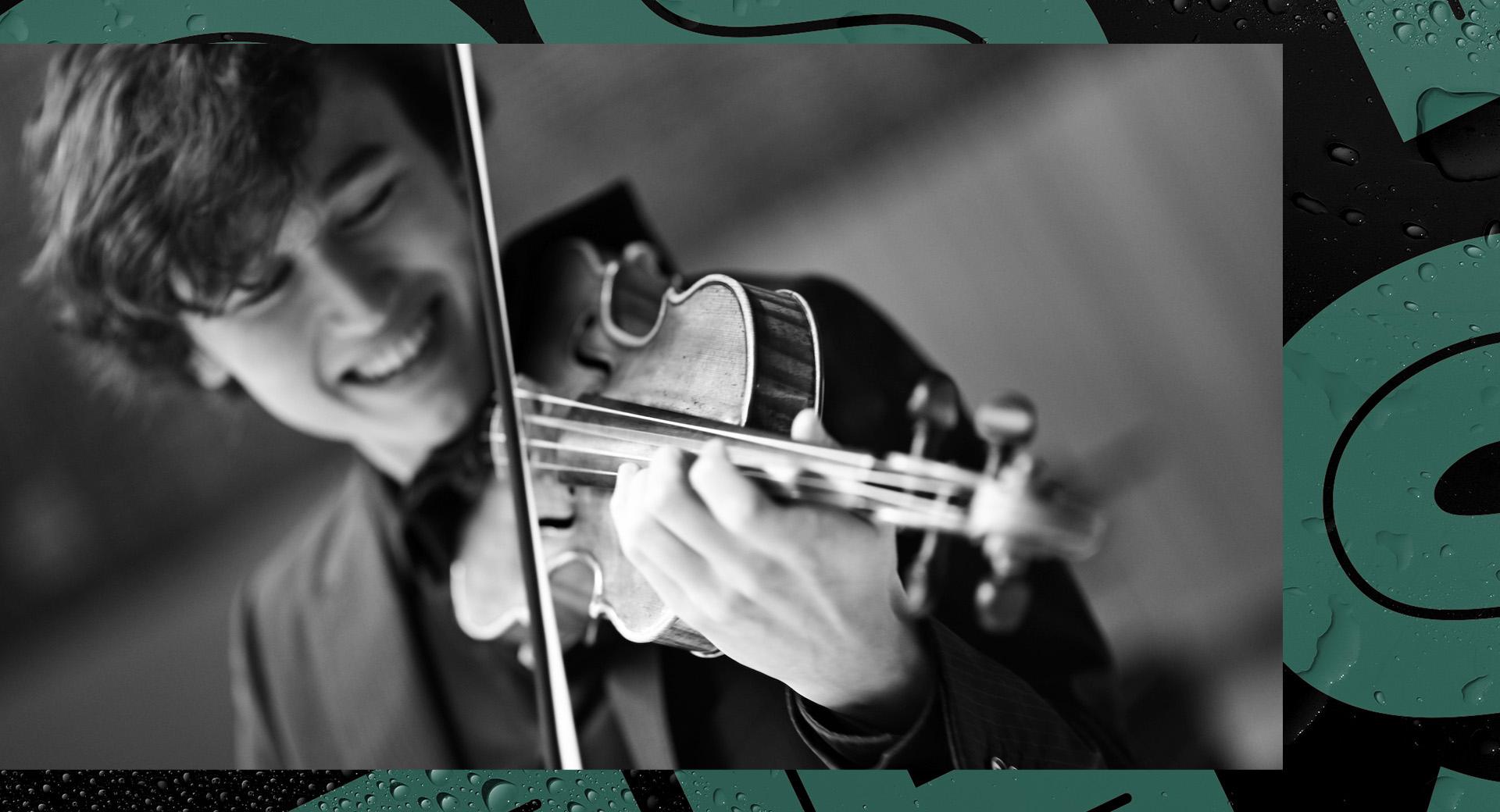 Date has passed22 AugustBack to Bach with LozakovichInternationally acclaimed violinist Daniel Lozakovich offers an exklusive concert in Storkyrkan featuring music by his great artistic beacon, Johann Sebastian Bach.Read more
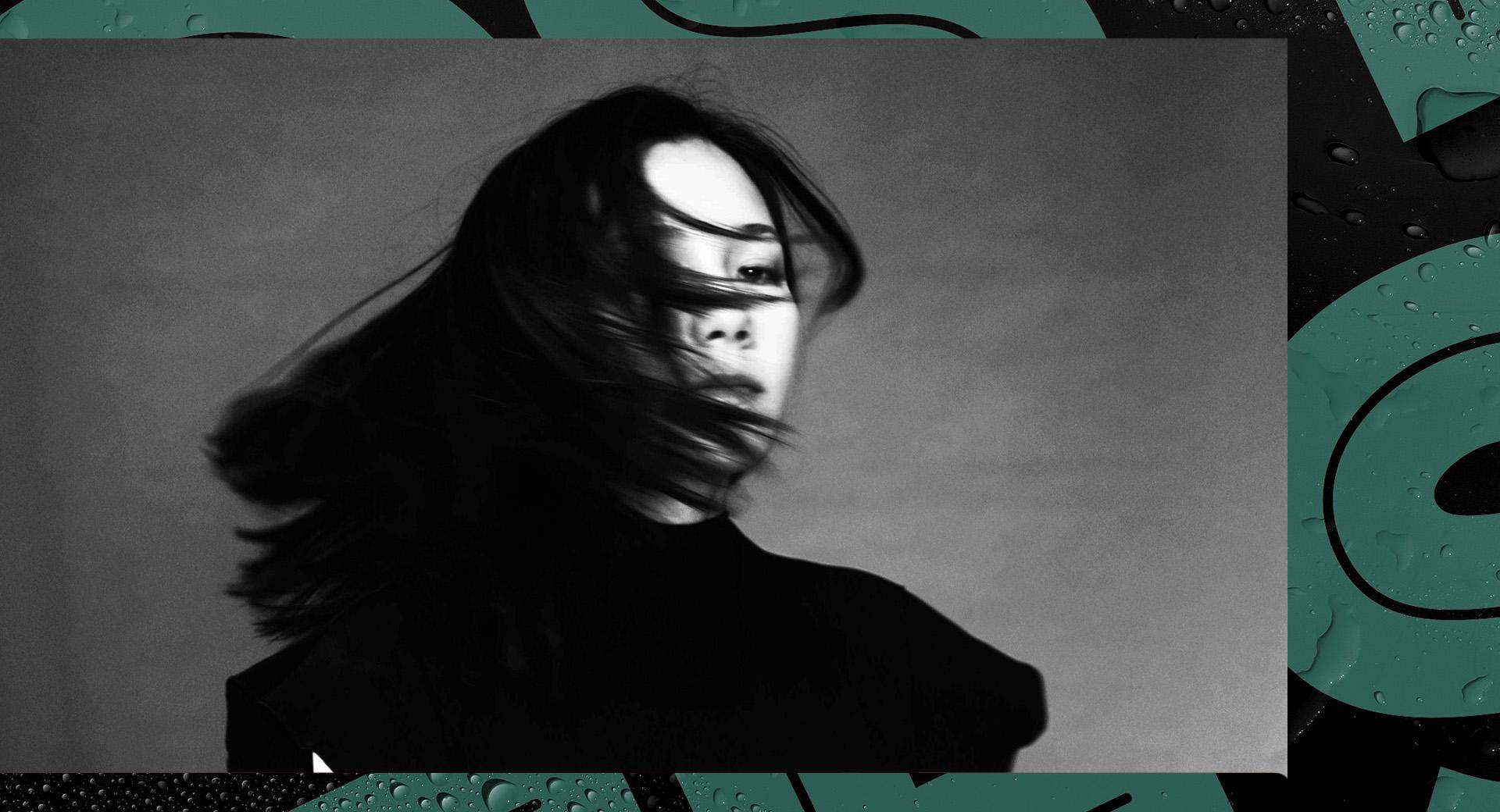 No tickets leftAugust 28275 krLate Night Concert with the Swedish Radio ChoirAs the summer evening drifts into night, the Swedish Radio Choir takes over Nordiska museet with an atmosphere‑laden programme moving between ancient spirituality and contemporary sonic brilliance. ogether with violist Ami‑Louise Johnsson, we encounter everything from Bach’s introspective Baroque lines and Ligeti’s hypnotic solo viola to the deeply meditative choral music of Tavener and McDowall.Read more
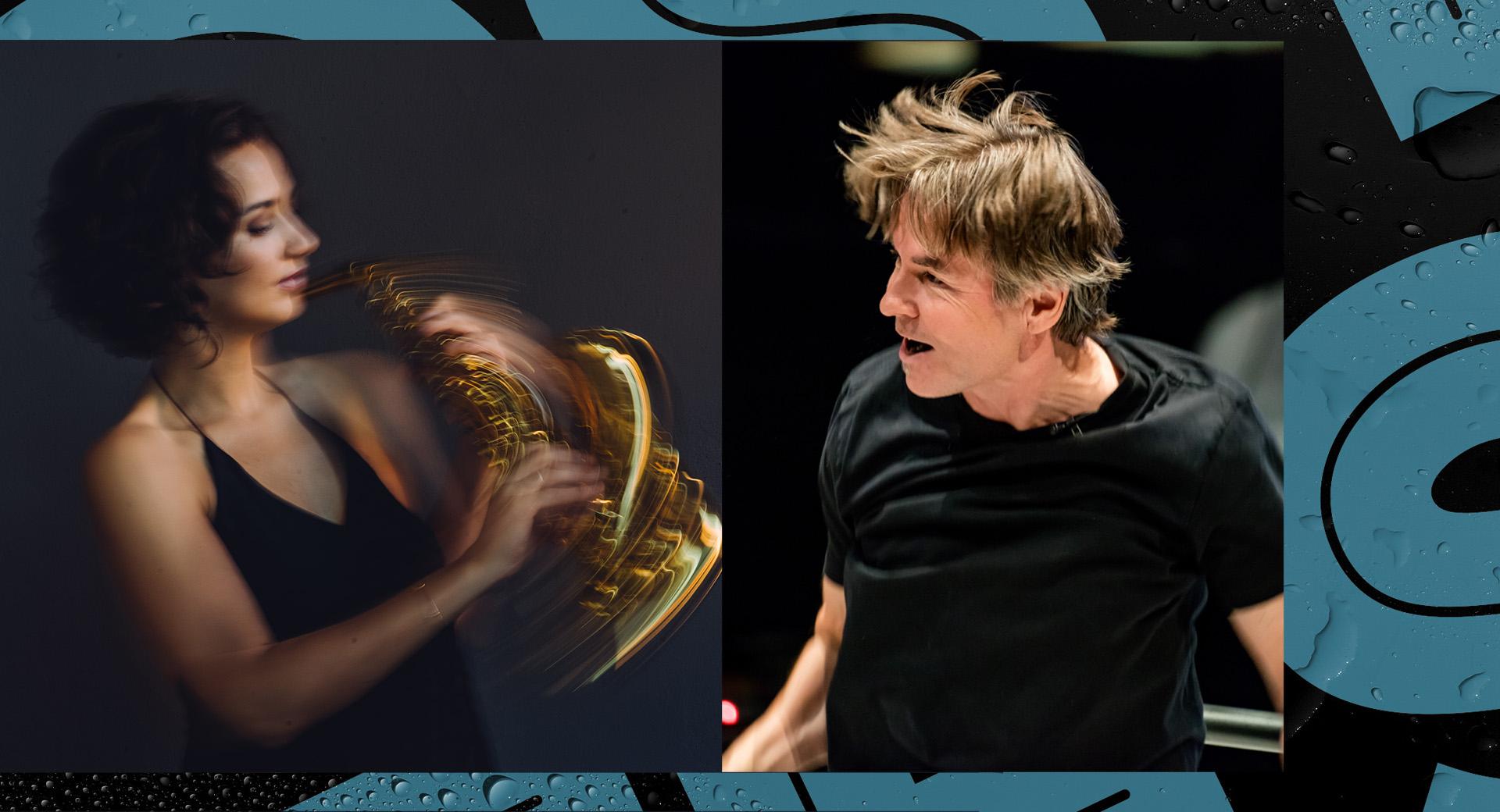 Few seats remaining29 August350 - 650 krFate & guiltThe Baltic Sea Festival’s grand finale invites you to an evening of drama and rich sonorities. Esa-Pekka Salonen conducts the Swedish Radio Symphony Orchestra together with soprano Aphrodite Patoulidou, baritone Peter Mattei, and saxophonist Asya Fateyeva. A closing night where contemporary sound meets Nordic legend in a powerful musical encounter.Read more & tickets
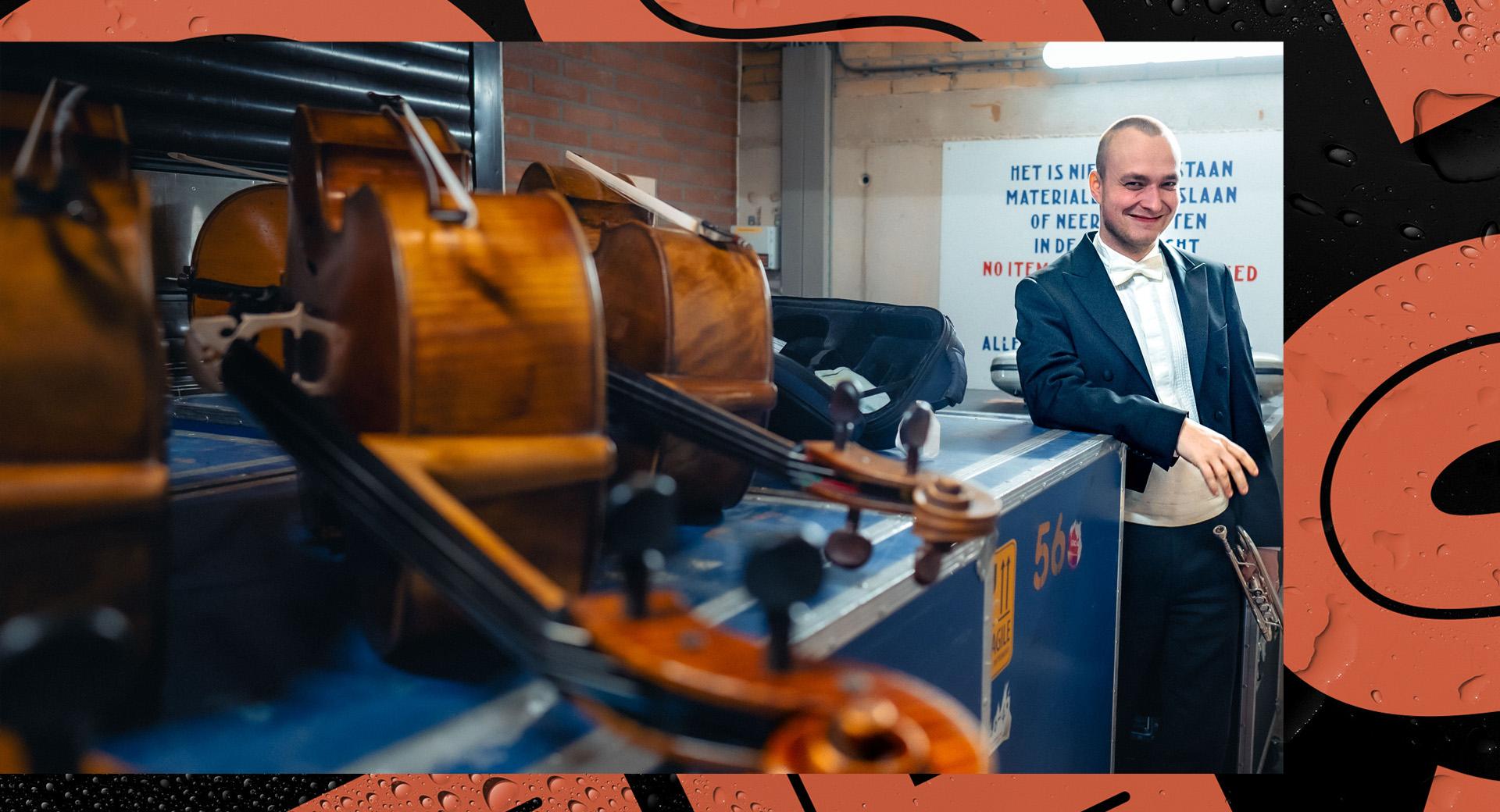 No tickets left27 August275 krBerwald’s septet and Dvořák’s Serenade for StringsMusicians from the Czech Philharmonic and the Swedish Radio Symphony Orchestra meet in the Queen Silvia Concert Hall to perform chamber music by Franz Berwald and Antonín Dvořák.Read more
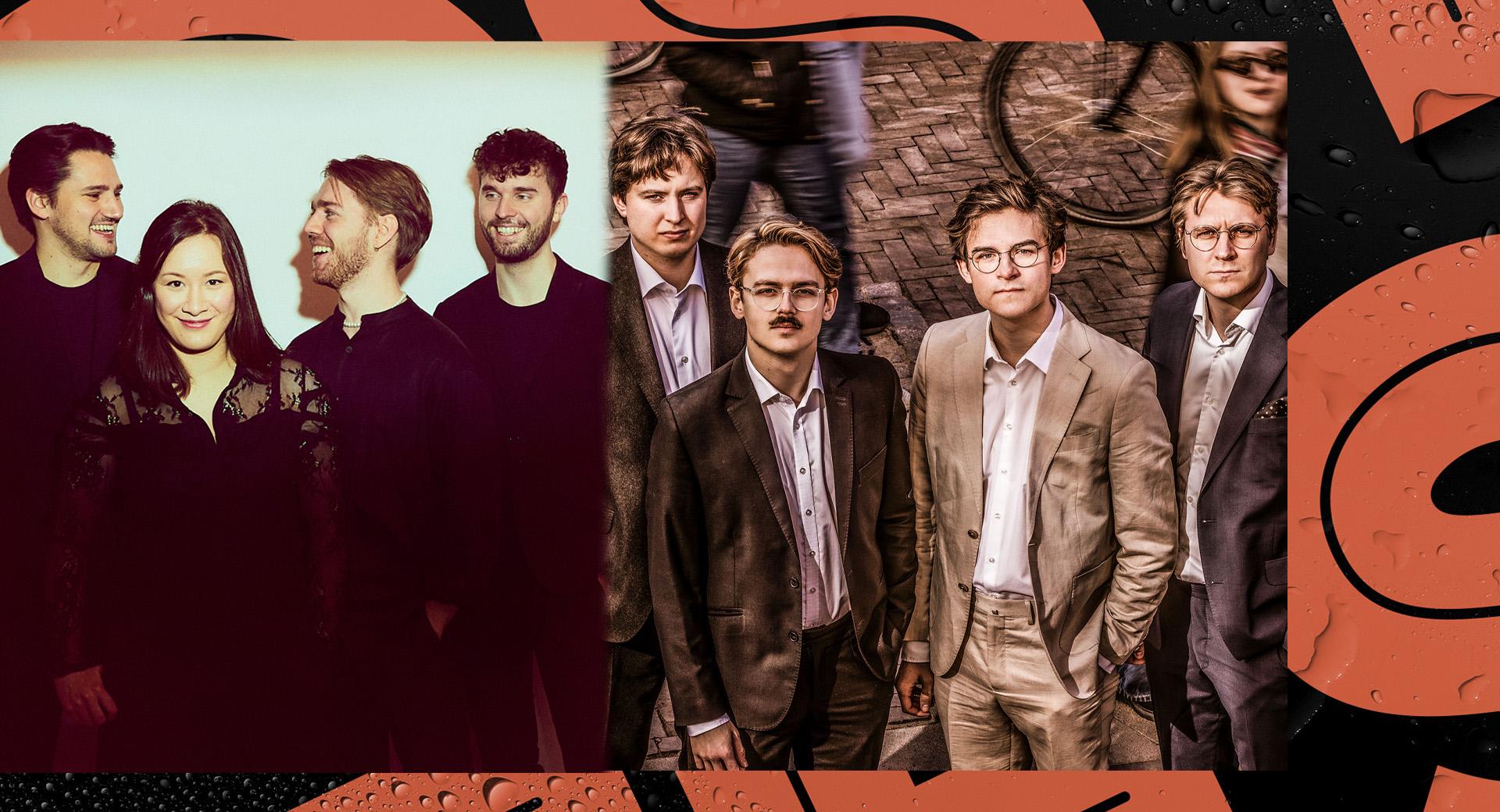 No tickets left29 August275 krOpus13 & Monbijou QuartetTwo of the most acclaimed string quartets of our time—Monbijou Quartet and Opus13—join forces in a programme that moves between contemporary sonic...Read more
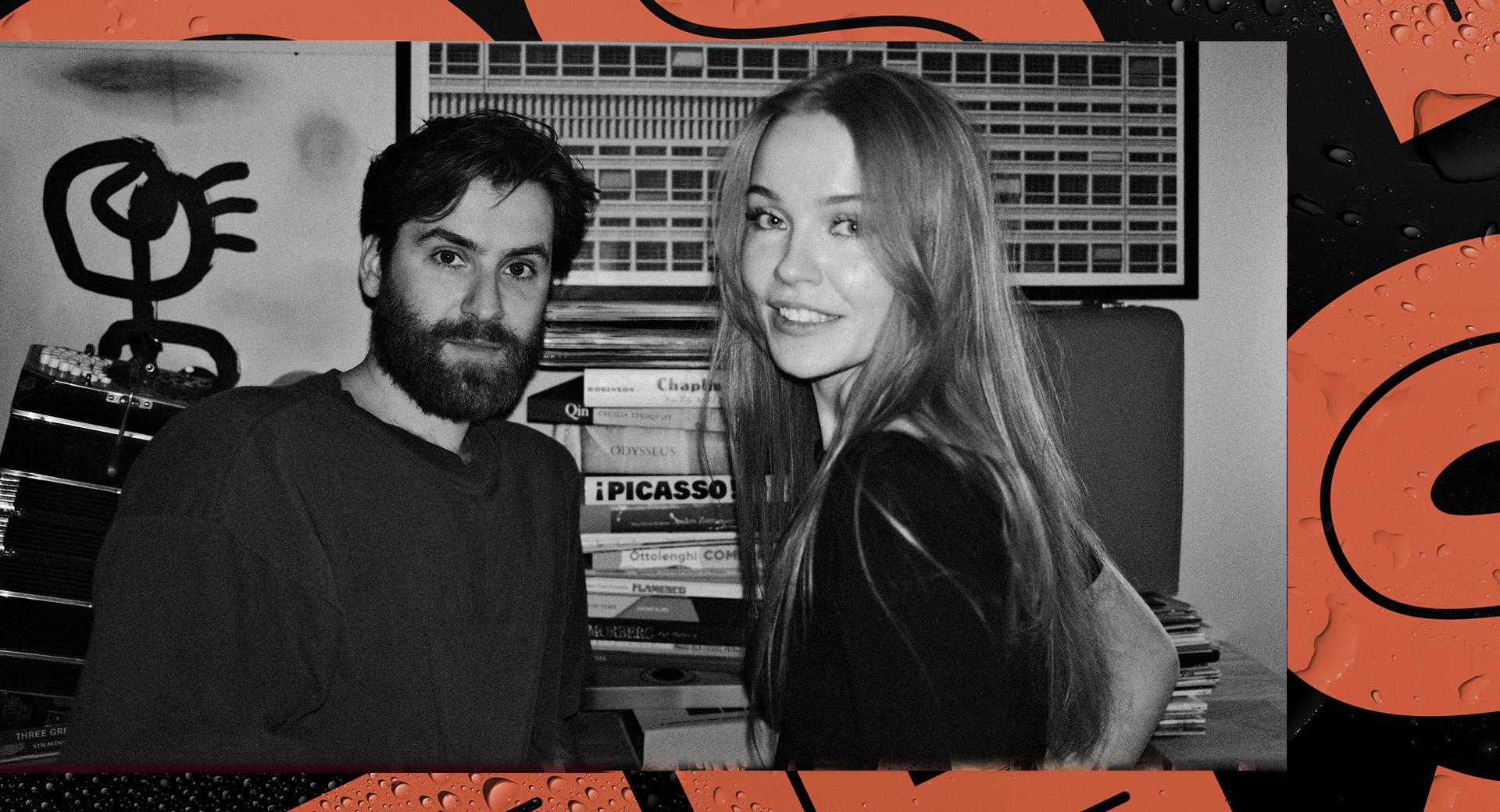 Date has passed23 AugustSchweitzer, Lyssarides & CoTrombonist and big band leader Tilde Schweitzer and multi-award-winning pianist Joel Lyssarides take the stage at Fasching together with 16 string musicians in a concert that grew out of their shared love of the orchestral jazz tradition.Read more
 No tickets left29 AugustFree - only signup is neededARTS LAB at the Finnish InstituteDo you want to hear what the concert halls of the future might sound like? During the Baltic Sea Festival, you can meet the participants of ARTS LAB – a project that brings together promising instrumentalists and composers from across the Baltic Sea region in a creative collaboration. ARTS LAB unites participants handpicked from the Voksenåsen Talent Program and Creative Dialogue, coached by internationally renowned mentors.Read more
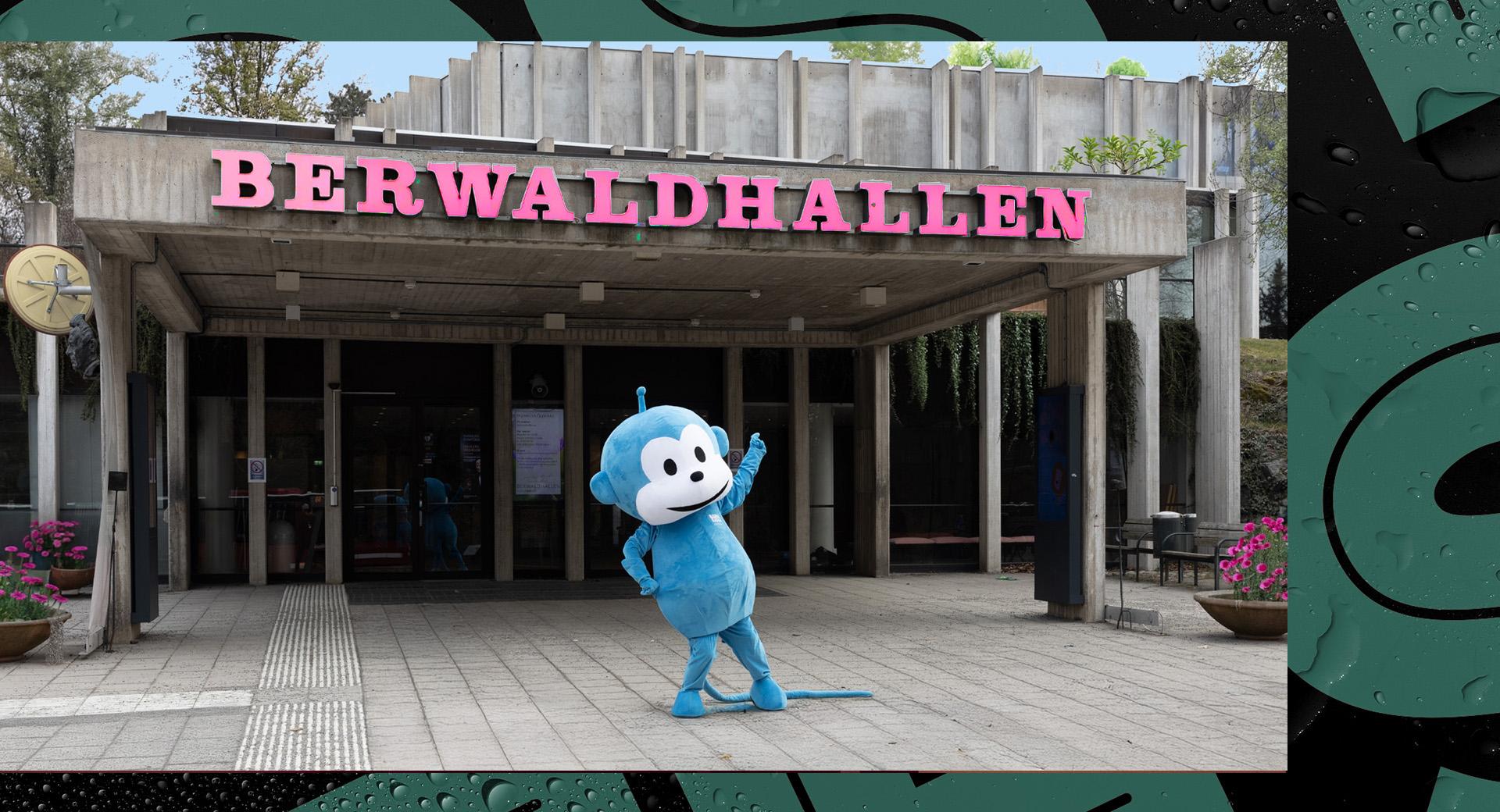 Date has passed22 AugustiFamily day and open houseJoin the Baltic Sea Festival's traditional family day for all ages!Read more