Beethoven & Britten
The pacifist, Benjamin Britten, wrote Sinfonia da requiem as an expression of his opposition to the great war that unfolded across the world for the second time in the 20th century. But he was also an optimist and in the midst of all the darkness, he conveys a sense of hope. Britten’s composer hero, Ludwig van Beethoven, premièred his Symphony No. 7 at a concert that honoured injured and fallen soldiers in the Napoleonic Wars. The symphony was an instant success, particularly the second movement that had to be performed as an encore.
This production is part of one or more concert series.
Karina Canellakis is currently one of the most interesting young conductors and highly sought-after around the world, much lauded for her musical interpretations as well as her technical skill. Now, when she leads the Swedish Radio Symphony Orchestra for the third time, she does so in two dramatic pieces which premièred in war time.
Benjamin Britten was a great admirer of Beethoven since childhood. Britten’s mother introduced him to classical music and wanted him to be the fourth B after the three greats; Bach, Beethoven and Brahms. Britten himself claimed that these three had been of great significance to his musical development. Sinfonia da Requiem is his first large orchestral work, composed in 1940 when he was in the United States. Britten, who was a pacifist, left England between 1939 and 1942 in opposition to the war in Europe.
Britten and a number of other composers were commissioned by the Japanese government to write music for the 2,600th anniversary of the Empire of Japan. The melancholic style of the work and its associations to Catholic requiems caused the government to reject it, but at the première in 1941 with the New York Philharmonic, it was a resounding success. The following year, it was performed in Stockholm for the first time. Britten had previously written music for documentaries and this descriptive style characterises Sinfonia da Requiem. In spite of the darkness, we see a glimpse of light towards the end: Minor turns into major and in the midst of hopelessness, there is a sense of everything turning out fine, after all. The work was dedicated to Britten’s dead parents, as well as to all of those who suffered the horrors of war.
Beethoven’s Symphony No. 7 premièred in Vienna in 1813, with Beethoven conducting, at a charity concert for the benefit of soldiers injured in Hanau during the Napoleonic wars. Vienna was still recovering from the siege of the city a few years earlier, and this energetic and positive symphony was precisely what the audience needed. It was an instant success and the second movement had to be performed again as an encore.
Beethoven himself considered the symphony to be one of his best works. At the time, he was almost completely deaf and allegedly, did a less than sterling job of conducting. In spite of Beethoven’s increasing deafness, the music is filled with optimism and spontaneity. Beethoven was more daring in his orchestral music that, for example, Mozart and Haydn and experimented with sudden musical contrasts. It is a rhythmic work that Richard Wagner called “the Apotheosis of the Dance itself”. The symphony’s bold and humorous twists and turns have led to comments about Beethoven not having been entirely compos mentis, or that he must have been inebriated while writing it. Irrespective of what is true, it is difficult not to get carried away by this exuberant and playful music.
Text: Nina Sandell
More concerts
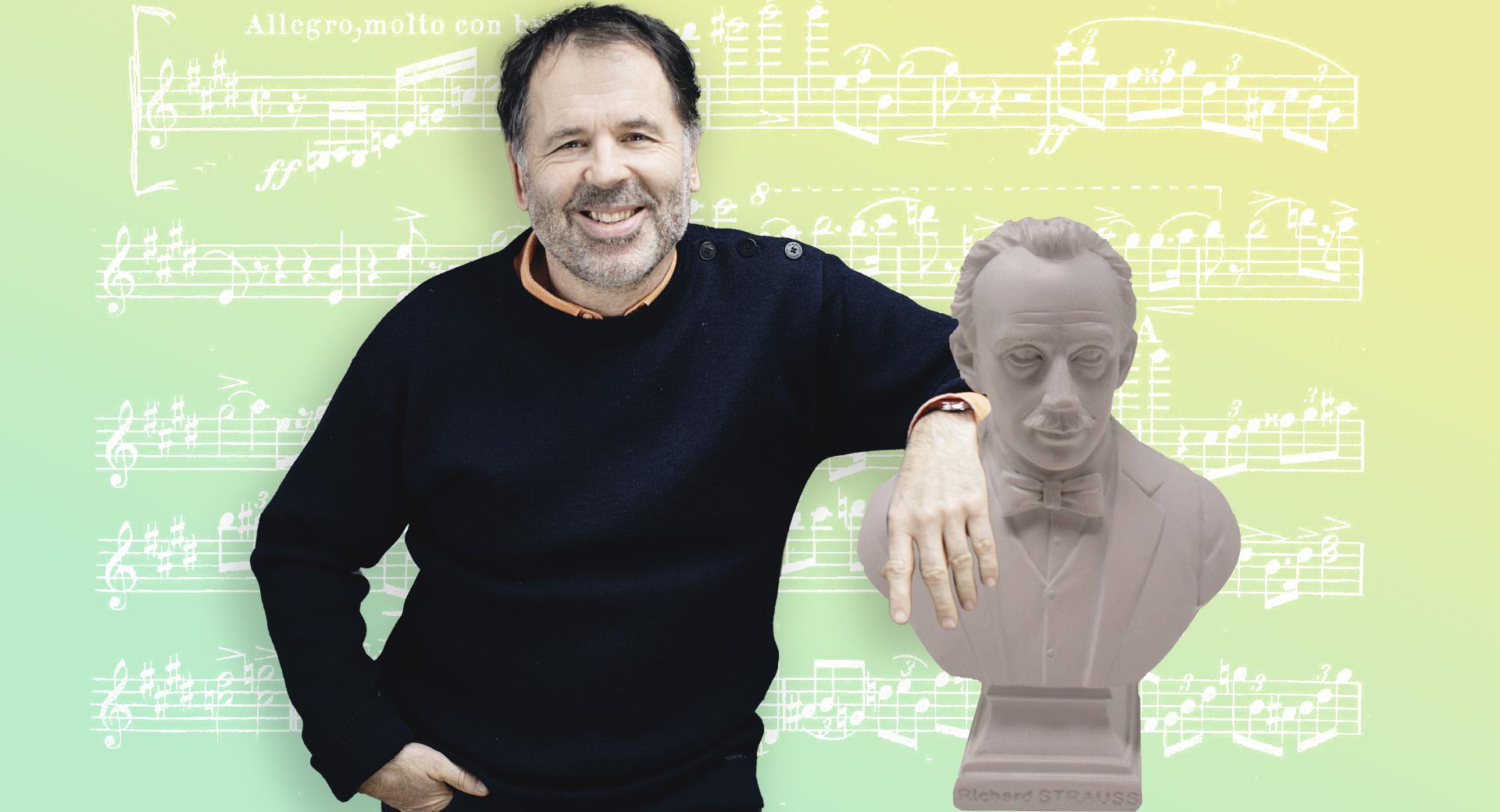 20–21 May 2026100 - 420 krDiscover Strauss & StenhammarDiscover the music of Strauss and Stenhammar together with the Swedish Radio Symphony Orchestra, conductor Magnus Fryklund, and ciceron Gregor Zubicky!Read more & tickets
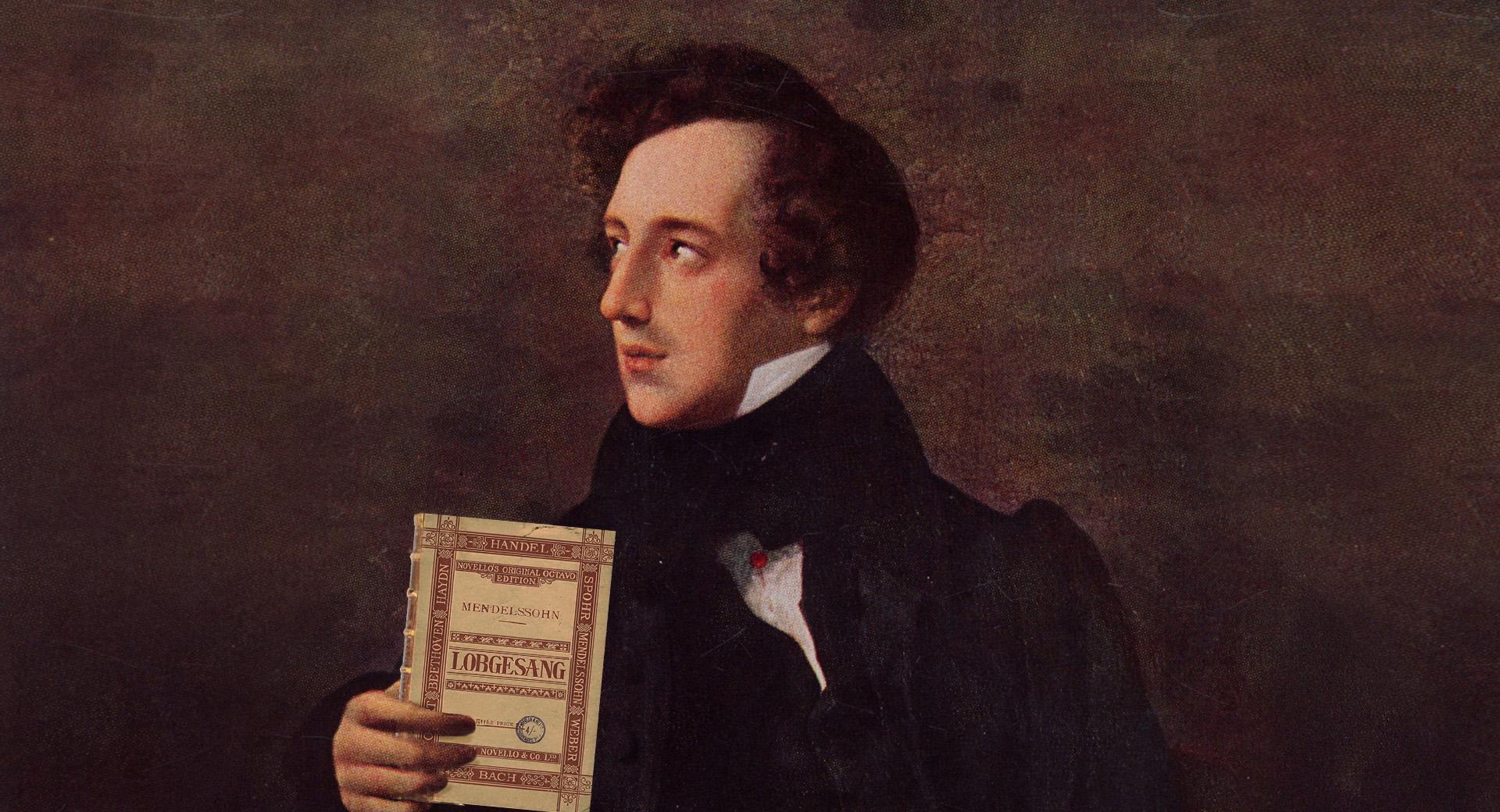 22 May 2026130 - 475 krMendelssohn’s LobgesangThe Swedish Radio Choir meets the Västerås Sinfonietta in Mendelssohn’s jubilant hymn of praise.Read more & tickets
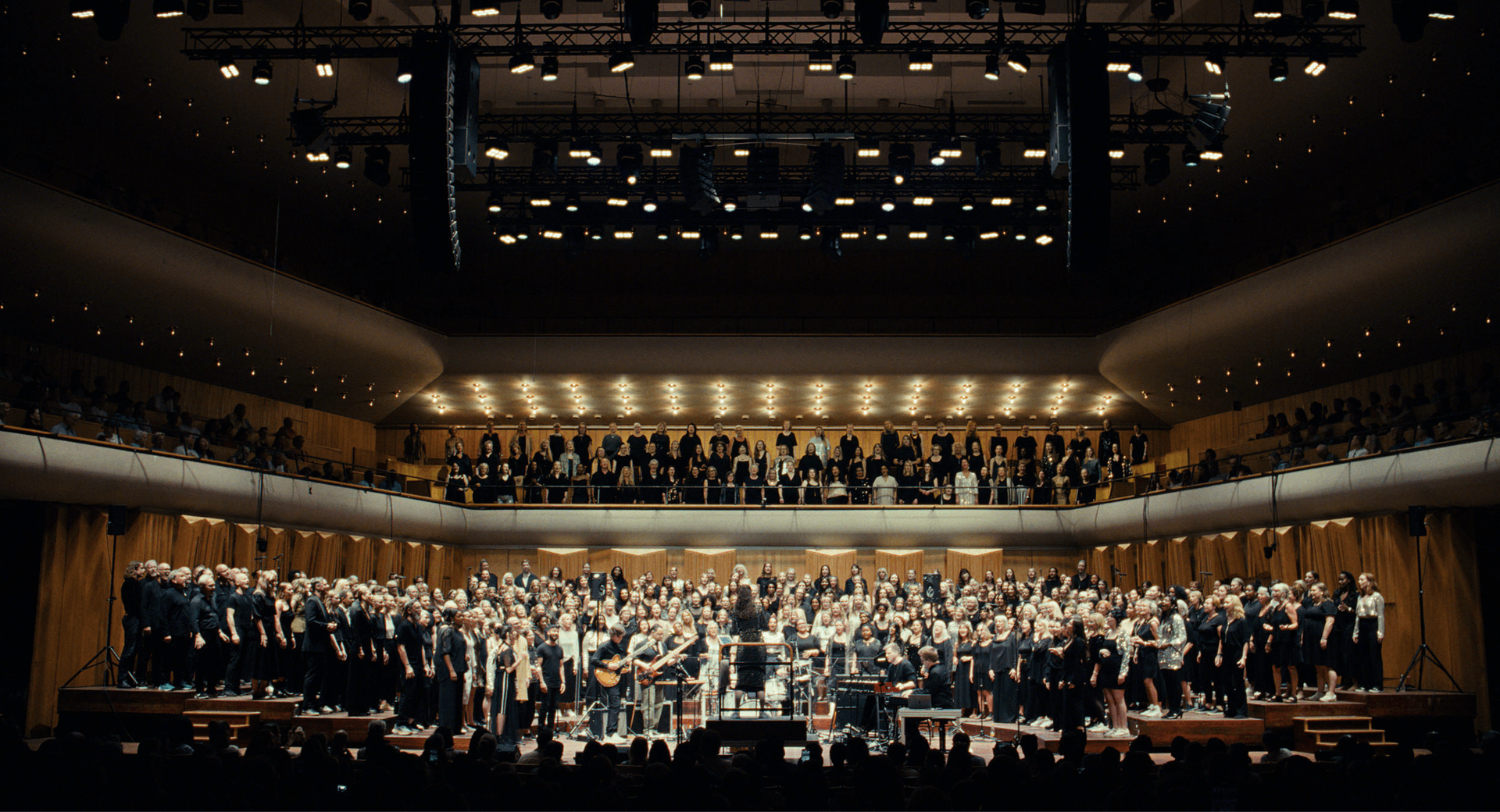 Few seats remaining24 May300 - 350 krSthlm Mass ChoirStockholm's grooviest large choir with 500 singers offers a gospel concert to remember!Read more & tickets
 May 27175 krHe exists, you knowAt the Finnish Institute, French and Finnish chamber music intertwines with the correspondence between Siri Derkert and Valle Rosenberg. Görel Crona and Johan Fagerrud give voice to their letters, while Henrik Naimark Meyers, Astrid Lindell and Thomas Rudberg perform works by Sibelius and Ravel.Read more & tickets